
Blog | Sports Rap Network
Dabo Swinney’s Clemson Confidence Faces a Harder Test
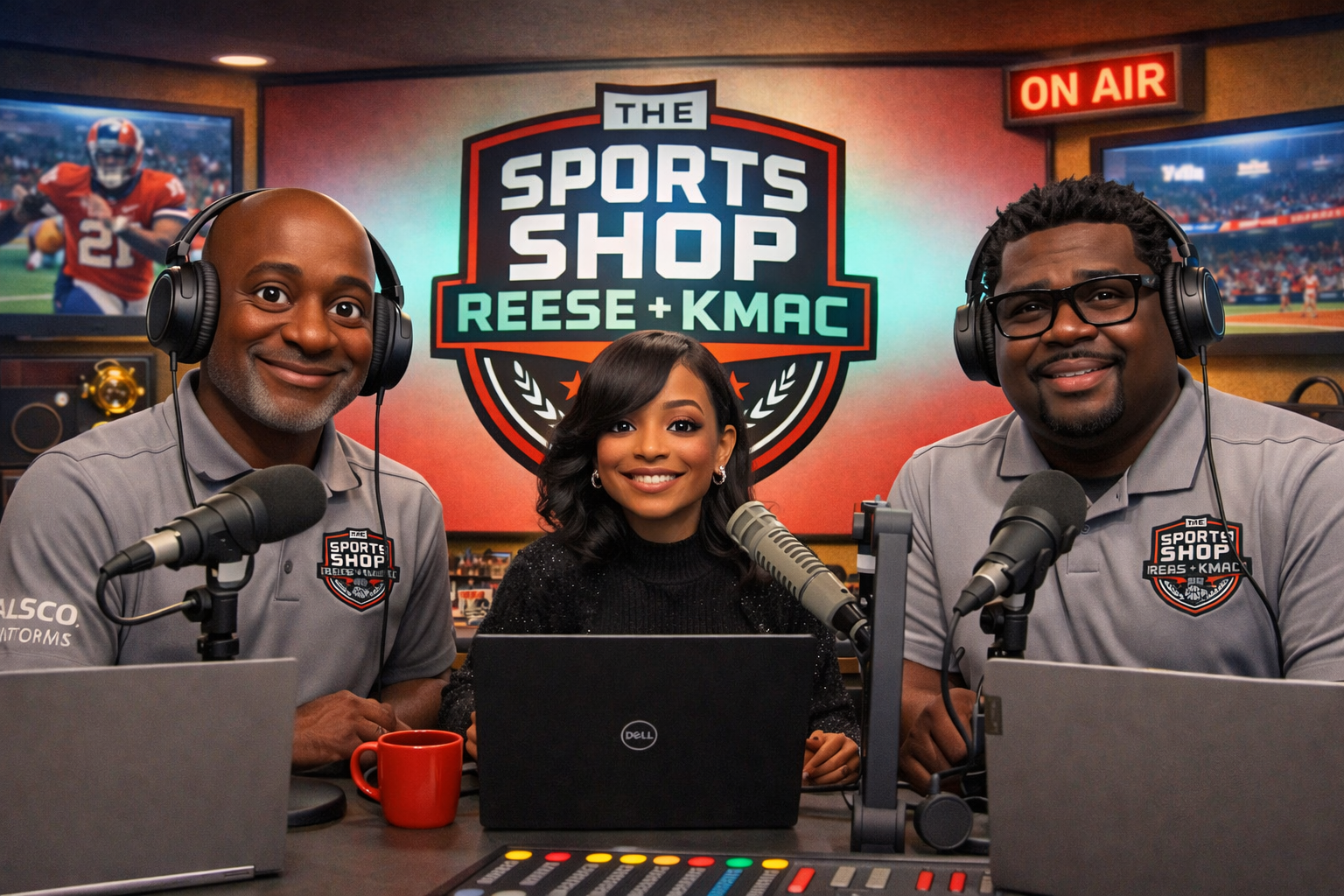
Image credit: Sports Rap Network
Clemson’s coach remains defiant about his record, but the conversation around him has shifted from faith to what comes next.
Dabo Swinney has built his Clemson standing on confidence, continuity and the belief that his way works. But as frustration grows around the program, that confidence is no longer being heard simply as a strength. It is being measured against results, expectations and the uncomfortable question every major program eventually faces: Is the leader still moving the operation forward?
The pressure discussed around Clemson is not merely about one bad moment or one sharp press-conference answer. It is about the larger burden that comes with being a coach whose success raised the standard. Swinney’s supporters can point to a long body of work; his critics are asking whether that history can keep carrying the present.
Success Creates the Standard That Now Follows Clemson
The central point is not that Swinney lacks belief in himself. In fact, the reaction to his recent comments centered on how firmly he defended his credentials and his confidence. That posture is understandable from a coach who sees himself as a winner and believes he has earned the right to trust his experience. In competitive sports, conviction is often necessary before anybody else can buy in.
Yet the same success that gives Swinney that platform also raises the stakes of every downturn. Clemson is not being judged like a program hoping merely to become relevant. The expectation is to contend, to look organized and to provide a clear path back when things wobble. A coach can remind people of what he has built, but the standard created by that building does not disappear when the questions get tougher.
A Defiant Message Can Strengthen or Strain Trust
The Sports Shop conversation treated Swinney’s public posture as a message aimed at doubters: decide whether you believe in him or not. There is value in that clarity. Players, recruits and staff should not have to guess whether their coach is panicking. A leader who speaks with certainty can protect a locker room from outside noise and keep a program from becoming consumed by weekly reaction.
But certainty is not the same as resolution. The concern voiced was that a forceful defense can sound like a response to criticism rather than an answer to the issues causing it. Fans do not always need a coach to surrender confidence; they need evidence that he recognizes the gap between Clemson’s expectations and its current reality. When frustration is high, defiance without visible progress can make a coach seem more isolated from the people he is asking to stay patient.
The Money Talk Is Really About Accountability
Discussion of Swinney’s contract naturally brought finances into the debate, but the deeper issue is accountability. Major coaching contracts signal institutional faith, and that faith comes with a public expectation that the program will remain competitive. The show’s panel did not frame the situation as a simple demand for change; it framed it as a consequence of Clemson’s own success and the expectations attached to it.
That distinction matters. Pressure on a coach is not automatically unfair, and loyalty is not automatically blind. A program has to decide what it values in difficult moments: stability, a proven leader’s track record, immediate correction or some combination of all three. Clemson’s challenge is to avoid turning that decision into a shouting match about salary or reputation. The more important question is whether the football operation is producing enough reason to believe its best days remain attainable.
Clemson Needs Direction More Than a Debate
The conversation repeatedly returned to the need for Clemson to get itself together. That is the practical standard now. The program does not need an argument about whether Swinney has ever won; that part of his legacy is established in the discussion. It needs the performance, urgency and leadership that make his confidence credible to people watching closely.
There is still a difference between scrutiny and surrender. Clemson can be challenged without declaring its coach finished, and Swinney can defend his body of work while recognizing that the current environment demands more than reminders of the past. The next response has to come through the program’s direction, not just through words designed to push back at critics.
What It Means
For Swinney, the hard part of leadership is no longer proving that he can build a winner. It is showing that he can steer Clemson through a moment when belief is no longer automatic. The scrutiny reflects the weight of what the program has been, not simply impatience from people who have forgotten the work it took to get there.
Clemson’s future conversation will be shaped by whether its coach’s confidence is matched by correction. If the program responds with sharper performance and a clearer identity, Swinney’s certainty will look like leadership. If the same questions persist, the pressure surrounding him will become less about perception and more about whether Clemson is willing to demand a new answer.
Substantive update: