
Blog | Sports Rap Network
Jayden Daniels Won, but Commanders’ Passing Game Still Has Questions
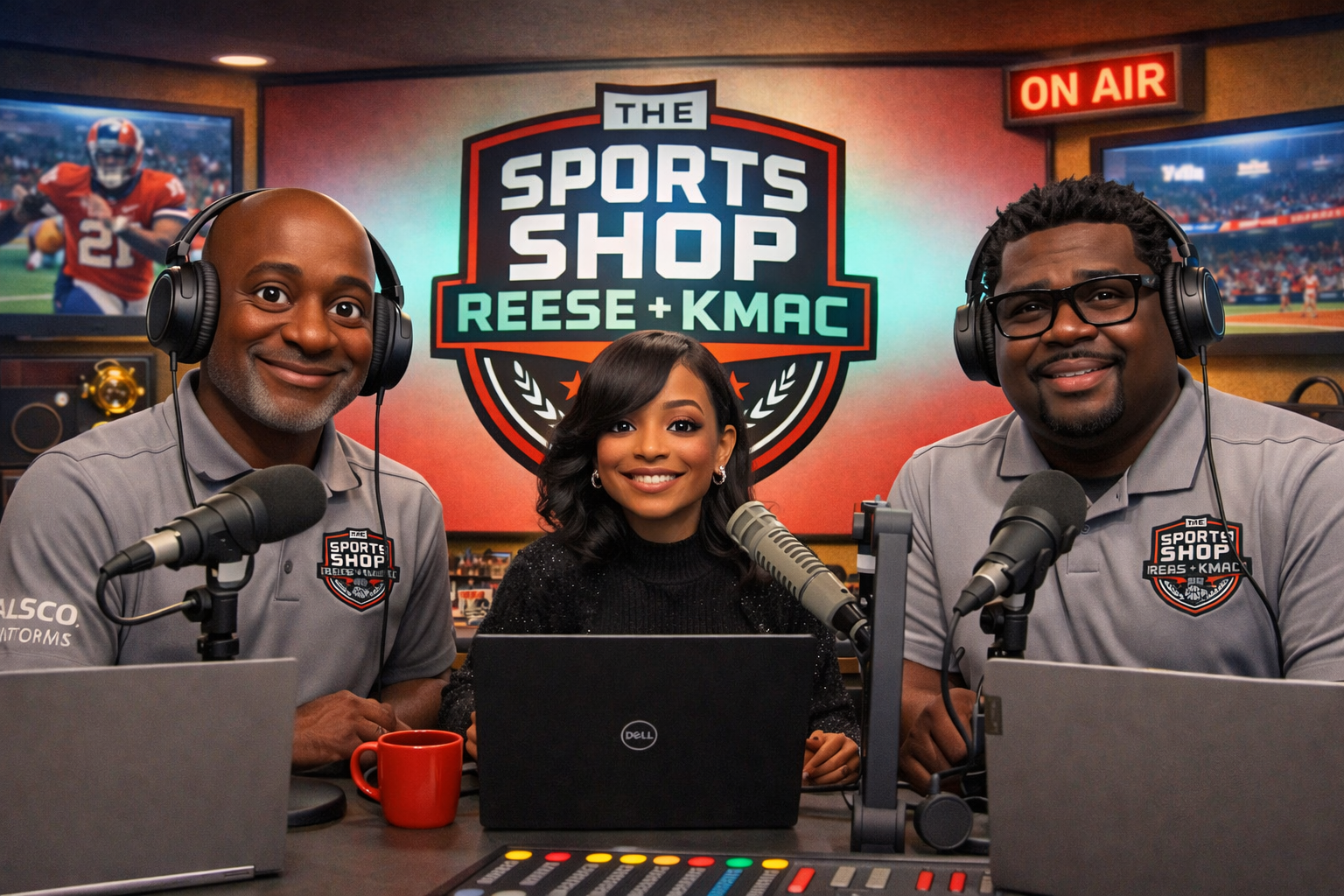
Image credit: Sports Rap Network
Washington got the result it needed against the Giants, but Jayden Daniels’ interceptions and missed deep throws point to an offense that must become sharper.
The Washington Commanders got the victory they needed against the New York Giants, and Jayden Daniels was at the center of it. But a win that may have eased immediate pressure around the team also left an uncomfortable truth in plain view: Daniels and Washington’s passing game have work to do if this season is going to move in the direction the franchise expects.
The concern is not that a quarterback took chances. Quarterbacks with ambition have to play with confidence, and mistakes are part of carrying an offense. The concern is that Daniels threw back-to-back interceptions and appeared to underthrow several downfield passes, turning an important win into a reminder that Washington cannot keep leaving opportunities on the field.
A Needed Win Does Not Erase the Misses
The Commanders’ win mattered beyond one night. The Sports Shop panel suggested that a loss could have intensified scrutiny around Washington’s coaching situation, making Daniels’ ability to help deliver the result especially consequential. In that sense, the quarterback may have helped stabilize the moment for his coach and his team, even if the performance was far from clean.
That is the balance Washington has to hold. A victory deserves to be valued, particularly in a league where nothing comes easy and a division game can turn on a handful of plays. Yet teams that want to grow cannot treat the final result as a reason to ignore the tape. The interceptions were costly decisions, and at least one came amid a pattern of throws that did not consistently put Washington’s receivers in the best position to make plays.
The Deep Ball Is the Immediate Test
Daniels was described as underthrowing a number of balls against the Giants, particularly on attempts that asked receivers to win downfield. The show’s discussion raised an important possibility: the issue may involve route-running, personnel or timing as much as quarterback mechanics. Still, the throw ultimately has Daniels’ name on it, and the visual of receivers having to slow down or adjust reflects on the passer.
Washington’s receivers were also characterized as lacking the pure deep speed Daniels may be accustomed to using. That does not excuse inaccurate placement; it makes precision even more important. When an offense does not have a consistent speed advantage, the quarterback has to anticipate breaks, understand leverage and throw with enough conviction to create separation through placement. A late or underthrown ball can turn a possible explosive play into a contested chance—or an interception.
Daniels does not need to abandon aggression. One host compared the risks of a developing quarterback to the unavoidable nicks and burns accumulated by a serious chef: growth demands working near the edge. But productive aggression requires discernment. Washington needs Daniels to recognize when the deep shot is available, when a receiver needs a different kind of ball and when the wiser choice is to live for the next down.
Washington Must Build Consistency Around Its Quarterback
The larger issue is not whether Daniels can make high-level plays. The conversation around him came from expectations that he will help Washington moving forward, not from doubt that he belongs in the role. The challenge is converting that promise into a repeatable passing operation. That means cleaner connections on vertical concepts, fewer throws that invite defenders back into the play and a more dependable baseline when the big play is unavailable.
It also means the Commanders must be honest about how their personnel fits the quarterback’s strengths. If Daniels is most comfortable throwing deep to speed, Washington has to find ways to create that speed through formations, motion, route design and timing. If those elements are not present, the offense must give him answers that keep the chains moving without asking every possession to depend on a difficult vertical throw.
The Giants game offered a warning as well as a reprieve. Washington benefited from surviving its mistakes, but the margin will not always be there. The panel noted that the game could have looked different had an early field goal been made. That is the reality of the NFL: little moments that seem harmless in the first quarter can define the fourth. Daniels’ next step is reducing the number of moments his team has to survive.
What It Means
Daniels should be credited for leading Washington to a win when the team needed one. There is value in keeping a game from becoming a crisis, and the Commanders now have a result they can build on rather than another loss to explain. But the celebration has to be paired with accountability. As one Sports Shop voice put it, “He’s got to be better.”
For Washington, that is not a condemnation of its quarterback. It is the standard that comes with believing he can be the answer. If Daniels sharpens the deep ball, protects the football and develops stronger timing with the players around him, the Commanders can turn a tense win over the Giants into something more meaningful: evidence that their future quarterback is learning how to win without letting the same mistakes define him.
Substantive update: