
Blog | Sports Rap Network
Valkyries’ Championship Profanity Raises a Professionalism Debate
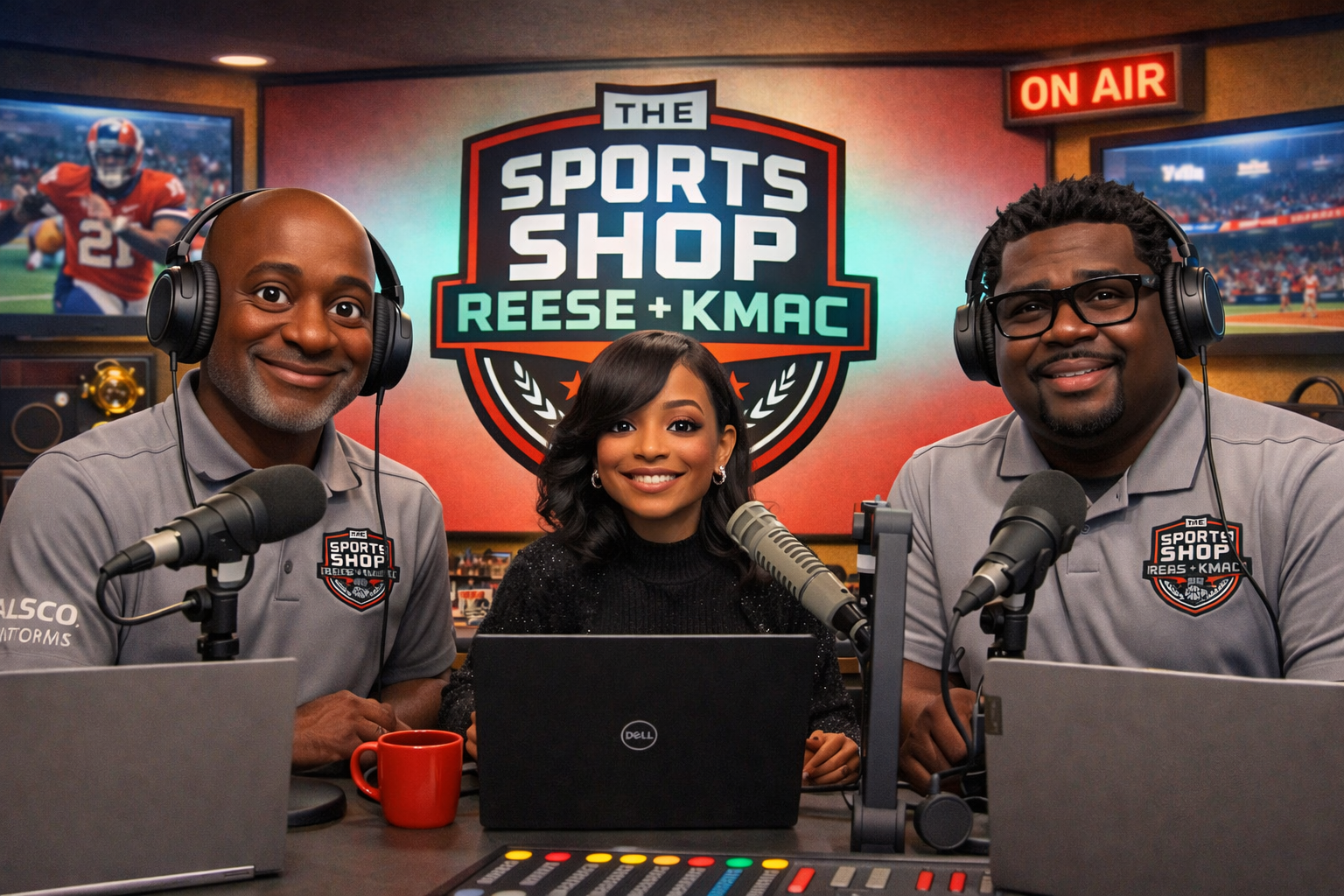
Image credit: Sports Rap Network
Golden State’s celebration prompted a larger question for the WNBA: What does leadership look like when the cameras are on?
A championship press conference is supposed to preserve a winning moment: the emotion, the sacrifice, the people who helped make it possible and the standard a team wants associated with its success. That is why the Golden State Valkyries’ post-title media appearance drew sharp criticism on Sports Shop, where the central objection was not to athletes showing joy, but to what panelists described as repeated profanity while representing the organization in public.
The discussion, led by Dr. Deborah Strohman, framed the issue as one of professional judgment rather than moral panic. The Valkyries had just defeated the Atlanta Dream for the championship, and the stage included coach Natalie Nakase along with players Gabby Williams and Tia Stokes. For Strohman and the other voices on the show, the moment carried enough visibility and responsibility that the language used at the microphone became part of the story.
A Public Stage Carries Different Expectations
Strohman’s argument was straightforward: private locker-room language and public-facing language are not the same thing. A player or coach may speak one way around trusted teammates, family or close friends and another way when addressing a national audience. That adjustment is not inauthenticity, she argued; it is a basic communication skill and a sign of self-regulation.
The panel repeatedly returned to the idea of reading the room. Sports can be emotional, and no one on the show suggested that competitors never curse in intense settings. But a championship news conference is part of a professional athlete’s and coach’s job. It is a setting where the team is speaking to fans, media, sponsors, families and young people who see the players as examples of what success can look like.
The Coach’s Role Makes the Moment More Significant
The criticism landed especially hard on Nakase because, in Strohman’s view, a head coach has a unique obligation to model how to handle victory. Coaches establish standards, teach accountability and set the public tone for a team. If a championship stage is treated casually, the concern is that the leader has missed a powerful chance to demonstrate composure without draining the moment of its excitement.
That does not mean coaches and players must sound scripted or suppress their personalities. The show’s point was that professionalism requires range. The same people who can speak freely at a closed practice, during travel or among friends are capable of changing their approach when cameras are rolling. That ability to move appropriately between spaces was described as maturity, not a burden placed unfairly on women athletes.
The WNBA’s Visibility Raises the Stakes
The debate also came with a larger concern about the WNBA’s place in sports culture. Strohman called the league a premier showcase for Black women’s sporting excellence, including leadership, athleticism, professionalism and cultural influence. In that context, she saw the press-conference language as a missed opportunity for a league whose athletes are increasingly visible to young fans and young players.
Other Sports Shop voices agreed that visibility matters, particularly for children watching their favorite players. One panelist raised the perspective of a young daughter who admires WNBA stars and may imagine playing in the league herself. The issue was not that athletes must be flawless role models; it was that public figures should recognize their influence and understand that their brand extends beyond shooting, defending and winning games.
Authenticity Does Not Require Abandoning Judgment
The show also challenged the assumption that profanity makes an athlete more relatable, tougher or more authentic. The panel cited the broader sports-media habit of treating harsh language as proof that someone is being real. But the hosts argued that forcing that image can feel less natural than simply communicating with confidence and clarity.
That distinction matters for athletes building a lasting public identity. Fans can accept intensity, disappointment, celebration and even the occasional emotional slip. What troubled the panel was language becoming a constant feature of a public appearance, particularly when it distracted from the accomplishment being celebrated. Their standard was not perfection. It was awareness: know the audience, know the setting and know what the moment deserves.
What It Means
The Valkyries’ championship should remain a celebration of a team that reached the top. Gabby Williams’ late-series response, Stokes’ defensive contribution and the organization’s title run were all part of the moment described on the show. Yet the panel’s reaction demonstrates that the way a champion presents itself can shape how people remember the celebration as much as the final result.
Sports figures are watched at every age, whether they welcome that reality or not. The Sports Shop conversation makes a fair challenge to every league, coach and athlete: protect the joy, keep the personality and celebrate loudly, but understand that a microphone is not the locker room. The strongest version of professionalism is not silence. It is knowing how to lead when everyone is listening.
Substantive update: