
Blog | Sports Rap Network
CTE Warning Demands More Than NFL Concern
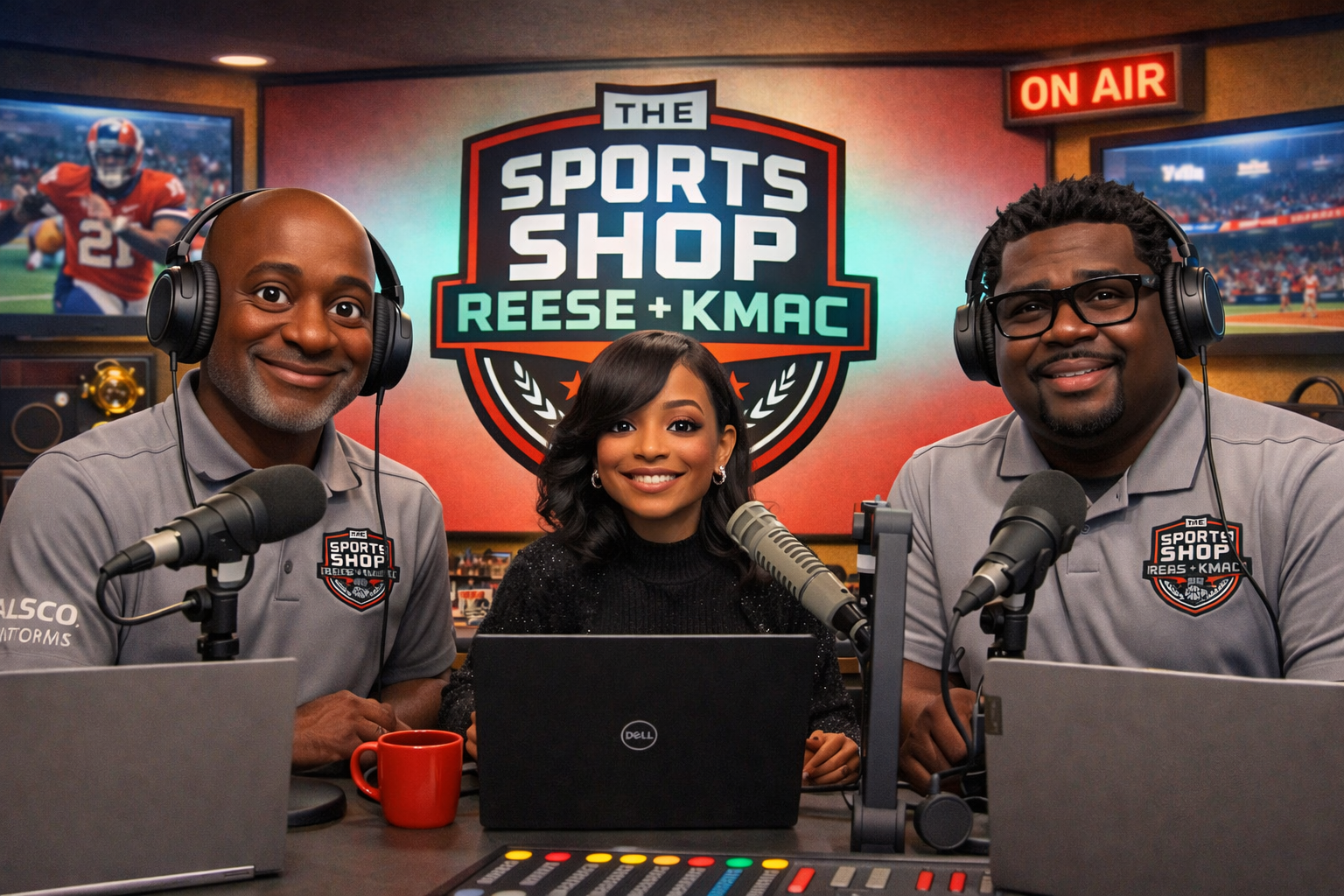
Image credit: Sports Rap Network
A reported finding that 75% of deceased former NFL players studied had CTE puts player health, family decisions and football’s future back at the center of the conversation.
The reported finding is staggering: an estimated 75% of former NFL players who died between 2008 and 2023 had chronic traumatic encephalopathy, or CTE, a degenerative brain disease associated with high-impact sports. The figure, raised by Dr. Deborah Stroman, is not simply another alarming football statistic. It is a direct challenge to a sport that continues to ask players to absorb violent contact while promising that safety is a priority.
The NFL’s appeal is built on physicality, but the game’s leaders, coaches, medical staffs and families cannot treat long-term brain health as an unavoidable side effect of entertainment. The issue reaches from youth leagues to professional locker rooms, where the pressure to play can collide with the judgment required to protect an athlete’s life after football.
A sobering number behind the spectacle
Stroman described the research as the first comprehensive effort by scientists to understand CTE prevalence among deceased former NFL players. She also noted that the reported percentage was the highest figure she had encountered, while another article presented an even higher estimate. The precise position-by-position breakdown was not discussed, but the concern is plain: football’s routine collisions do not distribute risk evenly, and the sport has long celebrated the very impacts that may carry lasting consequences.
That tension is visible every Sunday. Fans marvel at receivers taking hits over the middle, linebackers delivering forceful tackles and running backs lowering their shoulders to finish runs. The discussion pointed to the debate around a penalty involving Cam Scataboo’s head-down contact as an example of how difficult it can be to separate old-school toughness from necessary protection. A violent game can remain competitive, but it cannot keep treating every rule meant to reduce head trauma as an attack on its identity.
Who gets to decide when a player sits?
Player safety is not only about the hit itself. It is also about who has authority when a player is injured or at risk. Stroman connected the broader health conversation to concerns around Jalen Hurts and blood clots, raising the larger question of whether medical personnel, coaches or ownership ultimately determine when an athlete should be sidelined. In any sport where wins, jobs and money are at stake, that decision cannot be blurred.
A medical team must have the final say on health, free from competitive pressure. Coaches are paid to pursue victories. Owners have business interests. Players, especially those fighting to keep a roster spot or fulfill a dream, may minimize their own symptoms. That is exactly why independent and empowered medical judgment matters. A player’s willingness to continue should not be mistaken for informed consent when the possible cost may not fully reveal itself until years later.
The youth football squeeze is already a concern
The CTE discussion is also reshaping the pipeline into football. Stroman said participation in youth tackle football is declining and warned that the sport could become increasingly divided by class: a pathway for low-income children who view football as a route out of difficult circumstances, and for wealthy families with access to elite nutrition, strength training and facilities. In that scenario, middle-class families may be the ones most likely to walk away.
That possibility should concern anyone who values football as a community institution rather than merely a professional product. Families deserve clear information, not panic or silence. The answer is not to shame parents who allow their children to play, nor to pretend the risks do not exist. It is to demand better coaching, safer teaching of contact, credible research and meaningful health resources at every level—not only in the programs with the deepest pockets.
Research must lead to accountability
Stroman emphasized that the NFL knows brain health is a major concern and must continue to permit and promote more research. That point matters because research cannot become a public-relations shield. The league and its teams need evidence that safety changes are reducing harm, not simply evidence that rules and protocols exist. The question raised on Sports Shop was straightforward: with all the information now available, is football truly seeing a measurable impact on CTE risk?
There was no easy answer offered, and that uncertainty is itself significant. Families, former players and current players deserve transparency about what is known, what remains unknown and how the sport is responding. The Black Men’s Brain Health Conference, held during Super Bowl week and scheduled for Los Angeles in February, was cited as one forum designed to keep that conversation active. That kind of education is essential because brain health is not a niche issue; it is a family, community and legacy issue.
What It Means
Football does not have to abandon its competitive spirit to take brain health seriously. But it must reject the false choice between respecting the game and respecting the people who play it. The reported 75% CTE figure among deceased former NFL players should make complacency impossible, particularly for a league whose culture has often rewarded players for staying on the field through pain.
The strongest response is sustained accountability: independent medical authority, transparent research, safer development for young players and honest communication with families. The game may always involve risk. Its leaders are still responsible for reducing that risk wherever they can—and for ensuring that no player’s long-term health is treated as the price of doing business.
Substantive update: