
Blog | Sports Rap Network
Why the WNBA Has Basketball’s Best Full-Season Product
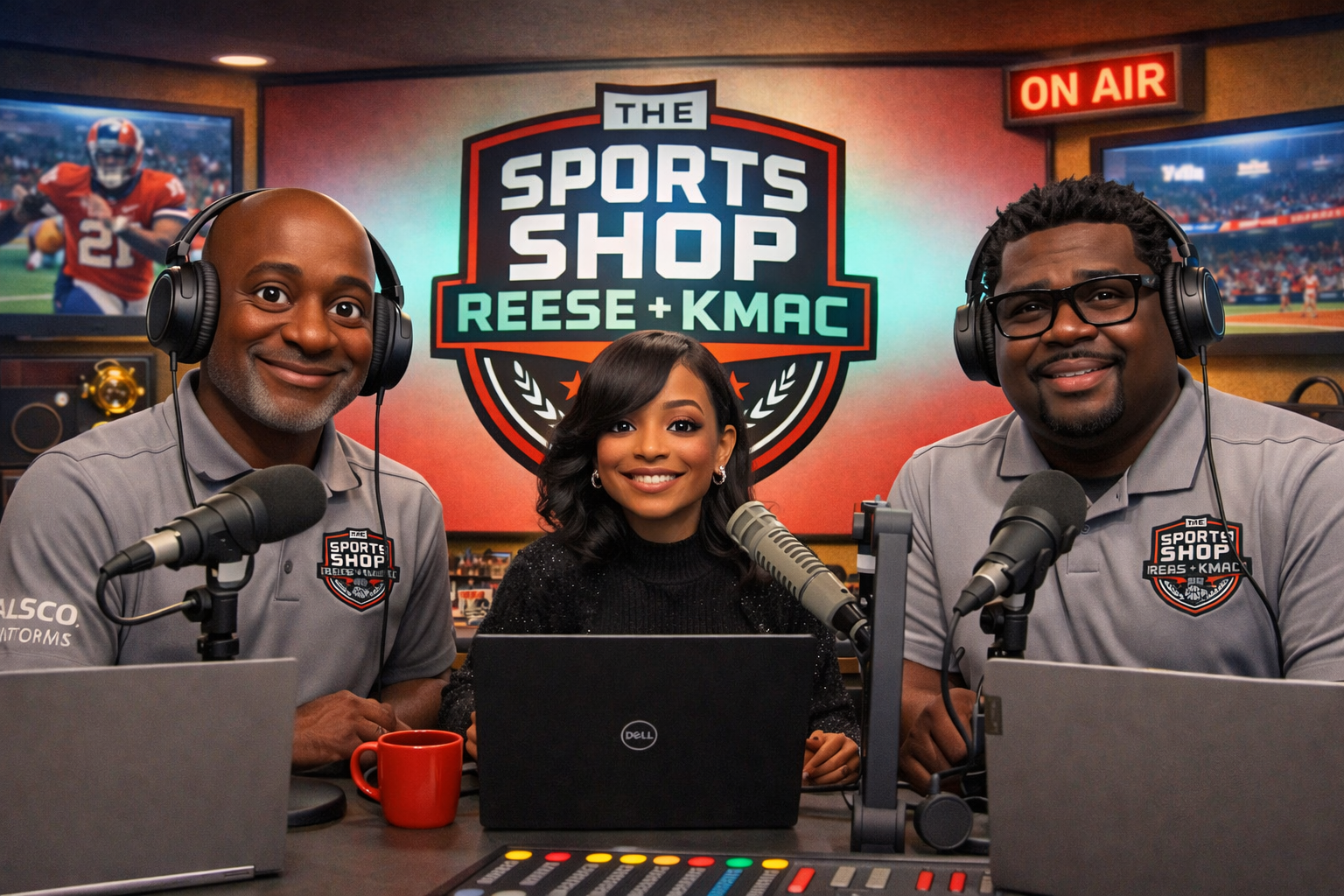
Image credit: Sports Rap Network
The NBA still owns its postseason drama, but the WNBA’s urgency, emerging stars and cleaner season-long stakes have changed the viewing equation.
The WNBA does not have to beat the NBA at its own game to win a larger share of basketball fans’ attention. Its stronger argument is about consistency: from opening night through the playoffs, the league increasingly gives viewers a product with urgency, recognizable personalities and games worth following before the calendar reaches its final stretch.
That was the central conclusion from a wide-ranging Sports Shop conversation comparing the two leagues. The panel did not argue that the WNBA postseason has surpassed the NBA’s late-season and playoff intensity. Instead, it made a sharper point: over the course of an entire season, the women’s game may now offer the more reliable reason to keep watching.
A Season With Fewer Dead Zones
The NBA’s length remains both a strength and a challenge. Its eight-month schedule creates a massive stage, but it can also create stretches when the regular season feels less urgent. One panelist put it plainly: after about a month, fans often do not want to watch because players and teams can appear to lose interest in the long road ahead.
The WNBA’s roughly six-month calendar gives its schedule a different rhythm. The season is shorter, the roster limits are tighter and there is less room for games to feel detached from the larger race. That does not automatically make every matchup meaningful, but it can make the league’s full schedule feel more connected, more immediate and easier for casual fans to stay with.
The Product Has Grown With Its Stars
The panel’s enthusiasm was not based only on format. It reflected a belief that the talent level and visibility of the league have changed. Viewers now follow prominent players from college into the pros, creating a natural bridge between the women’s college game and the WNBA. Caitlin Clark, Angel Reese and the next wave of players entering from programs such as Connecticut and South Carolina were cited as part of that expanding connection.
That continuity matters because fans are no longer arriving at the WNBA without context. They know the players, their competitive history and their styles before they reach the professional level. The result is a more star-driven league without sacrificing the team play that longtime observers value. The panel saw that as a major difference from earlier years, when there were fewer players that casual viewers felt compelled to track from season to season.
Fundamentals and Edge Can Coexist
The appeal, according to the discussion, is also rooted in how the game is played. Several hosts praised the women’s game for its fundamentals and offensive execution, arguing that it does not lean as heavily on simply throwing the ball near the rim. The WNBA uses the same 94-by-50-foot court and 24-second shot clock as the NBA, but it has meaningful differences, including 10-minute quarters, a smaller and lighter ball, and a shorter three-point arc.
None of that means the league lacks attitude. The panel welcomed the trash talk, physical play and visible emotion that now come with major WNBA moments, provided players back it up on the court. The standard was clear: competition is compelling when it produces a response—a made three, a block, a stop or a winning play—not when it becomes empty hostility. That mix of skill, emotion and accountability is part of what makes the league feel alive.
Angel Reese Represents the New Conversation
Angel Reese became a useful example of the league’s broader evolution. One host acknowledged never being a fan of Reese’s in-your-face style, preferring that a player let her game speak. Yet even that critic said Reese’s recent play changed the evaluation, describing her as a player whose passion fuels her performance and who would be valuable to play alongside.
The assessment was not uncritical. Reese was praised for improving offensively, developing an outside shot, playing with strength and bringing a relentless motor. But the panel also identified areas for growth: she can struggle when dribbling through traffic, get stripped and still has unusual-looking finishing mechanics that she has connected to never being taught to favor one dominant hand. The larger point is that her game is being discussed as a developing basketball skill set, not merely as a social-media spectacle.
What It Means
The WNBA’s strongest selling point is not that it is identical to the NBA or that every fan must choose one league over the other. The NBA postseason remains, in the panel’s view, among the best basketball available. But a league is more than its final rounds, and the WNBA has built a credible case that its regular season holds attention more consistently from start to finish.
That is a meaningful shift for basketball culture. Better player pipelines, more familiar stars, improving play and authentic competitive fire are giving fans reasons to invest beyond isolated highlights. The WNBA is no longer asking viewers to watch out of obligation or novelty. It is making its case with a product that, increasingly, stands on its own.
Substantive update: