
Blog | Sports Rap Network
Tennessee Dominated Alabama Where the Game Still Matters Most
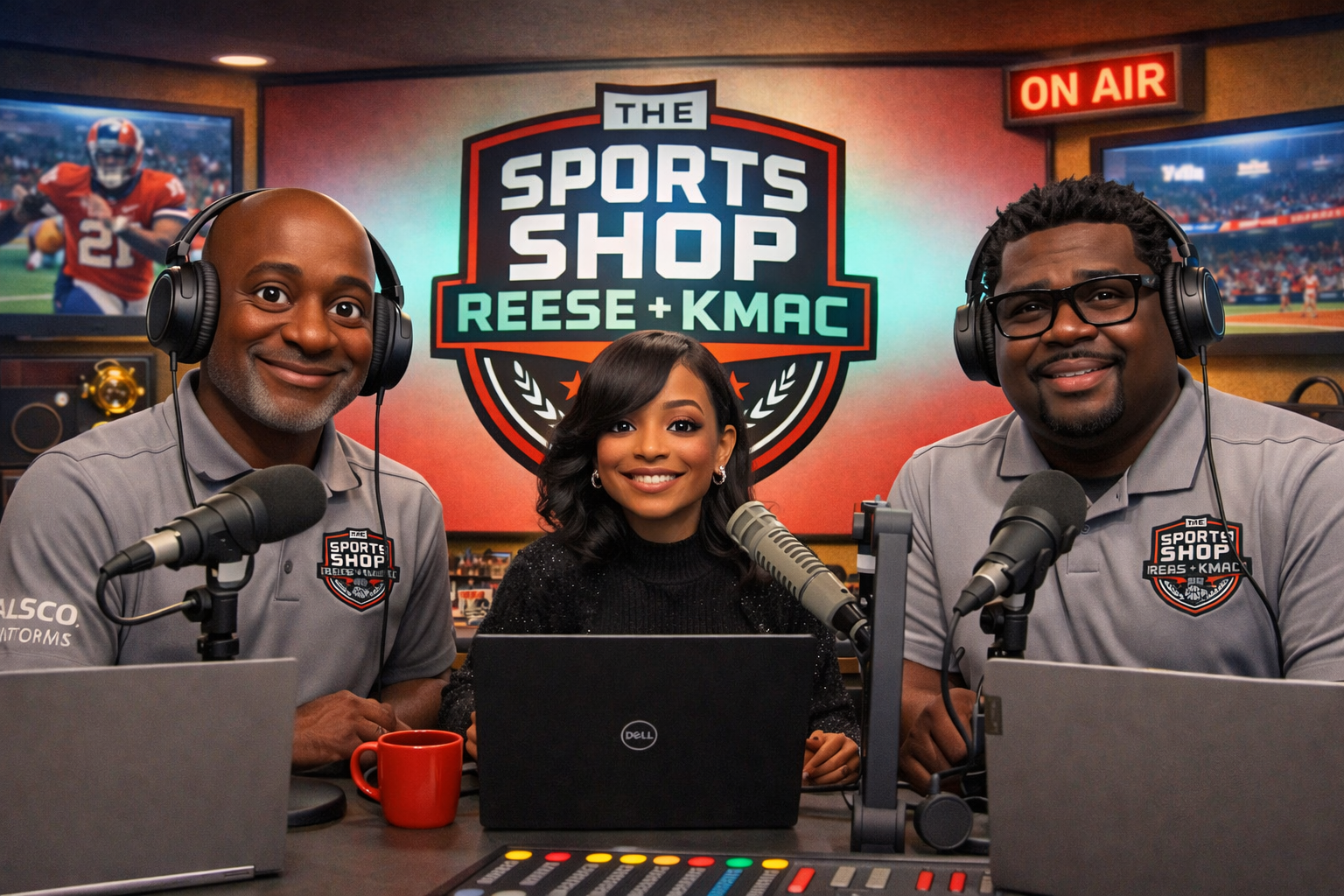
Image credit: Sports Rap Network
Tennessee controlled the trenches, erased Alabama in the second half and delivered the kind of physical statement that can reshape a season.
Tennessee did not merely beat Alabama. It took control of the line of scrimmage, dictated the terms of the game and left Alabama searching for answers after a second-half performance that exposed just how quickly a talented team can be overwhelmed when it cannot run the ball or stop the run.
The decisive image was Tennessee holding the football for a nine-minute drive late in the game, a possession that reflected the larger story. Tennessee’s physicality gave Alabama too few opportunities, while its defense repeatedly ended Alabama possessions with punts and turnovers. For all the attention paid to quarterbacks and explosive offenses, this was a reminder that football’s most consequential battles still happen up front.
Tennessee Won the Battle Alabama Could Not Afford to Lose
The Sports Shop discussion centered on a blunt conclusion: Tennessee was better on both lines. Alabama entered the matchup coming off a major game against Georgia, but fatigue, schedule concerns and personnel absences could not fully explain what happened. Tennessee pushed Alabama backward, controlled the pace and turned a rivalry game into a statement about toughness and execution.
One caller, Allen from Durham, pointed to the scale of Tennessee’s control. Alabama had 13 possessions, and 11 ended in punts or turnovers. Alabama also failed to score in the second half, while Tennessee’s kicker outscored Alabama’s entire offense. Those details do more than decorate a win; they show an offense unable to sustain momentum and a defense unable to create enough stops to change the game’s direction.
The Ground Game Set the Terms of the Night
The hosts returned repeatedly to the running game because it supplied the clearest explanation for Tennessee’s success. Tennessee’s running back was described as running through Alabama’s defense, while the Volunteers’ quarterback managed the game without making critical mistakes. That combination is difficult to beat: a reliable rushing attack reduces pressure on the quarterback, protects the football and keeps an opponent’s offense on the sideline.
Tennessee’s nine-minute closing drive was especially damaging because it denied Alabama the possessions it needed to rally. Alabama’s inability to stop the run meant it could not regain control of time of possession, field position or momentum. The show’s analysis was simple and persuasive: when a team consistently wins the rushing battle, it usually puts itself in position to win. Tennessee did exactly that when the game demanded a finishing drive.
Alabama’s Problems Went Beyond One Difficult Afternoon
Alabama supporters on the show acknowledged that a first-time starting center and other lineup absences mattered, but they did not present those issues as a complete defense. Tennessee’s front was credited for winning across the board, including a sequence in which a defensive tackle drove the center back toward the quarterback and helped force a fumble. In a game defined by pressure, Alabama never found a stable answer.
The concern is what the loss says about Alabama’s margin for error. The hosts believed Alabama had already used significant energy in its game against Georgia and then faced Tennessee on the road in a demanding conference schedule. But every contender faces difficult stretches. Alabama’s challenge is not simply recovering emotionally; it is proving that it can hold up physically when an opponent turns the game into a trench fight and refuses to let its offense find rhythm.
What It Means
Tennessee earned more than rivalry bragging rights. Its performance showed a team capable of imposing an identity: run with authority, defend with force and make the opposing quarterback operate under stress. The Volunteers did not need a perfect passing performance because they controlled the conditions that decide games late—possession, field position and the line of scrimmage.
For Alabama, the response will matter more than the explanations. The show’s Alabama voices accepted the loss directly and conceded that Tennessee was the better team that day. That is the proper starting point. Tennessee played like a program with a path forward; Alabama now has to show it can regain the physical edge that disappeared when this rivalry game was on the line.
Substantive update: