
Blog | Sports Rap Network
MLB Cannot Ignore Its Disconnect With Black Fans
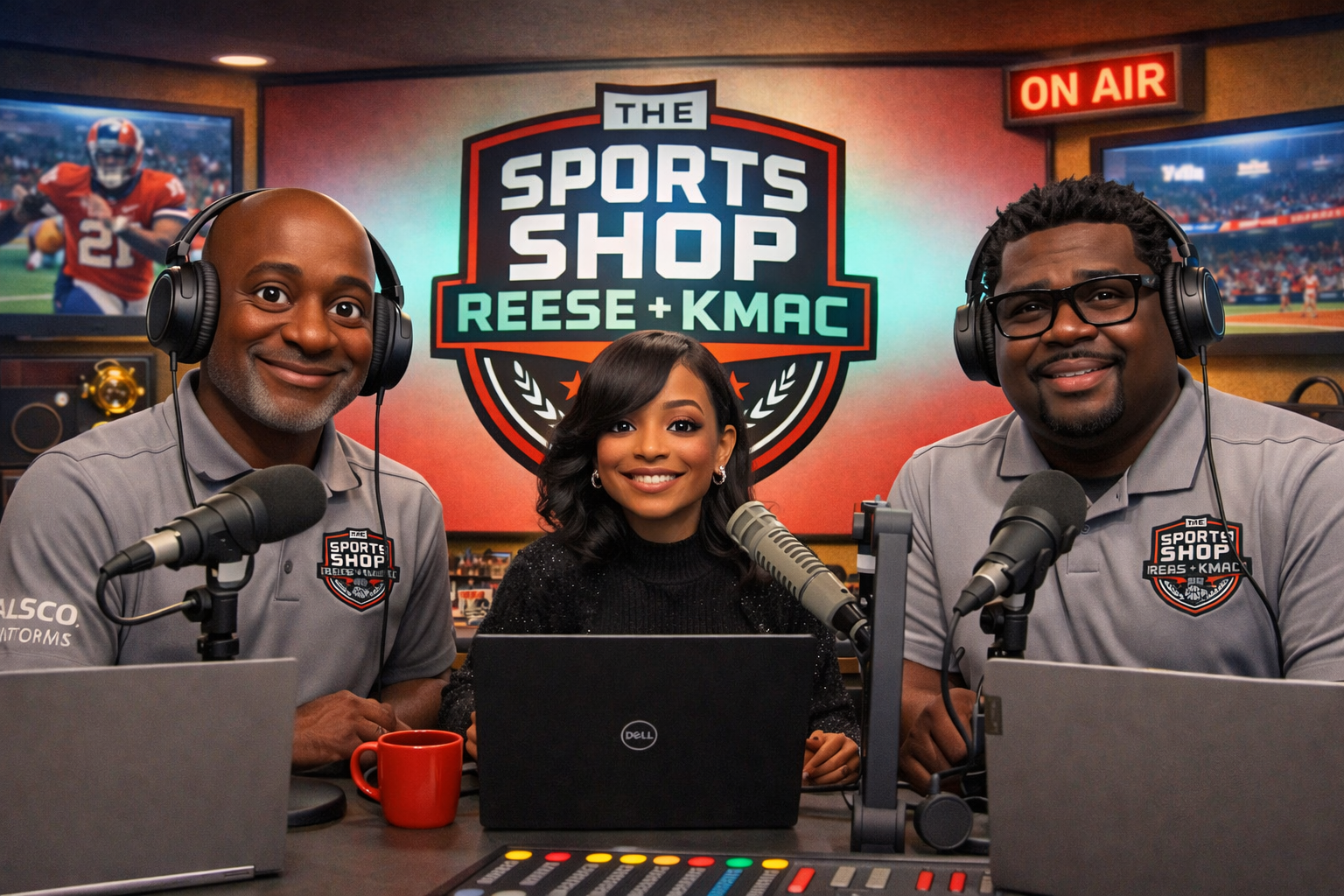
Image credit: Sports Rap Network
Baseball has tried to speed up its games, but access, representation and a culture resistant to visible personality remain larger challenges.
Major League Baseball can shorten the time between pitches and still miss the larger problem: too many potential fans do not see a meaningful connection to the game. As the postseason puts baseball in front of more casual viewers, the sport's challenge is not merely convincing people that a game can move faster. It is proving that baseball is relevant, accessible and welcoming to the communities it says it wants to reach.
That disconnect was clear in a conversation about why baseball continues to trail other major sports in everyday cultural attention. The concerns extended from the length of a 162-game season to an aging audience, limited player visibility and a shortage of baseball infrastructure in many Black communities. The central issue is not whether baseball has talent or history. It is whether the sport has built enough pathways for young people to play it, see themselves in it and care about it.
Pace Is Only the Surface Problem
Baseball has made visible efforts to answer complaints that its games are too slow. The discussion pointed to pitch-clock rules that require pitchers to work within set limits and require hitters to be ready in the box. Those adjustments acknowledge a real television problem: long pauses and long stretches without the ball being put in play can test viewers accustomed to faster, more continuous action.
But pace alone does not explain why a casual sports fan may tune in during the playoffs and disappear by May. A 162-game schedule can make individual regular-season games feel less urgent, especially for audiences whose sports habits are built around weekly football events, star-driven basketball matchups and constant social-media conversation. Faster innings may improve the product, but urgency and attachment are what turn occasional viewers into regular fans.
Representation Must Extend Beyond the Field
The conversation repeatedly returned to a simple question: Who are the baseball players people know well enough to follow? Big-market teams and established stars receive much of the attention, but a league cannot rely solely on familiar franchises to create broad identification. Fans want personalities, stories and players whose journeys feel visible rather than distant.
That matters particularly when Black viewers are searching for a connection. One host described a personal disconnect with a sport in which many of the most visible players can feel far removed from the neighborhood, language and everyday experience of the audience. That observation was not a criticism of international talent. It was a challenge to MLB to make room for more stories, more recognizable voices and more sustained visibility for Black American players, Latino players and others across the game.
Visibility also includes who explains the sport. The discussion raised the scarcity of regular Black voices in baseball broadcasting, contrasting that with efforts in other leagues to broaden representation in front of the camera. A game becomes more approachable when viewers can hear analysts and broadcasters who bring varied experiences, language and cultural reference points to the coverage. Representation is not a cosmetic add-on; it helps determine who feels invited into the conversation.
The Youth Pipeline Begins With Fields
The most consequential issue may be far more basic than marketing: many communities do not have the facilities or resources needed to make baseball a realistic youth option. The hosts contrasted the availability of basketball courts and school football fields with the difficulty of finding maintained baseball fields. If children cannot easily play a sport, they are less likely to develop the skills, friendships and lifelong fandom that come from playing it.
Cost is part of that equation. Baseball requires more equipment than sports that can begin with a ball, a hoop or a goal. The discussion also argued that recruiting and development have shifted away from many American communities as teams found talent internationally. That is not an argument against global baseball; it is a warning that neglecting domestic pipelines has consequences. When young Black athletes do not see opportunity, instruction or investment in baseball, other sports will naturally become the more attractive choice.
The payoff for changing that pattern could be larger than a ratings bump. Stronger youth access would create coaches, families, local leagues and community traditions around the game. It would also help young athletes understand that baseball can offer major opportunity for those who excel. A sport that wants deeper roots cannot wait until the postseason to introduce itself to the neighborhoods it hopes will support it.
Baseball's Culture Has to Make Room for Joy
The panel's bluntest critique centered on baseball's traditional culture. The sport has often treated emotion, celebrations and personal style as distractions rather than as part of the entertainment. Yet fans in other sports anticipate touchdown celebrations, player reactions and the moments that travel across social platforms. Those expressions help turn athletes into personalities and games into shared cultural events.
One host captured the problem with a sharp assessment: “If your demographic is get off my grass, people, don't be surprised that they forced the game to be get off my grass.” The point was not that older fans should be pushed aside. It was that baseball cannot preserve every old instinct, restrict visible joy and then wonder why younger audiences see the sport as stiff or inaccessible.
Analytics present a related tension. Data has become central to baseball decision-making, but the discussion argued that its influence has also contributed to more strikeouts, walks and home runs while reducing some of the dynamic, everyday action viewers remember. MLB does not need to reject analysis. It does need to recognize that a game designed only around efficiency can lose the spontaneity and personality that make fans want to watch together.
What It Means
MLB's audience challenge is not a single-rule problem, and it will not be solved by a clock alone. The league must make baseball easier to access, more willing to celebrate its players and more intentional about building visible connections with Black communities. That means investment in fields, youth development, storytelling and broadcast voices—not only postseason promotion when attention is already available.
Baseball has the history, the live-game atmosphere and the drama to win over new fans. The question is whether it will treat those fans as an afterthought or as part of the sport's future. The path forward is not mysterious: let young people play, let players be seen and let the game show more of its joy.
Substantive update: