
Blog | Sports Rap Network
Mike Malone’s UNC Rebuild Starts With Defense and Connection
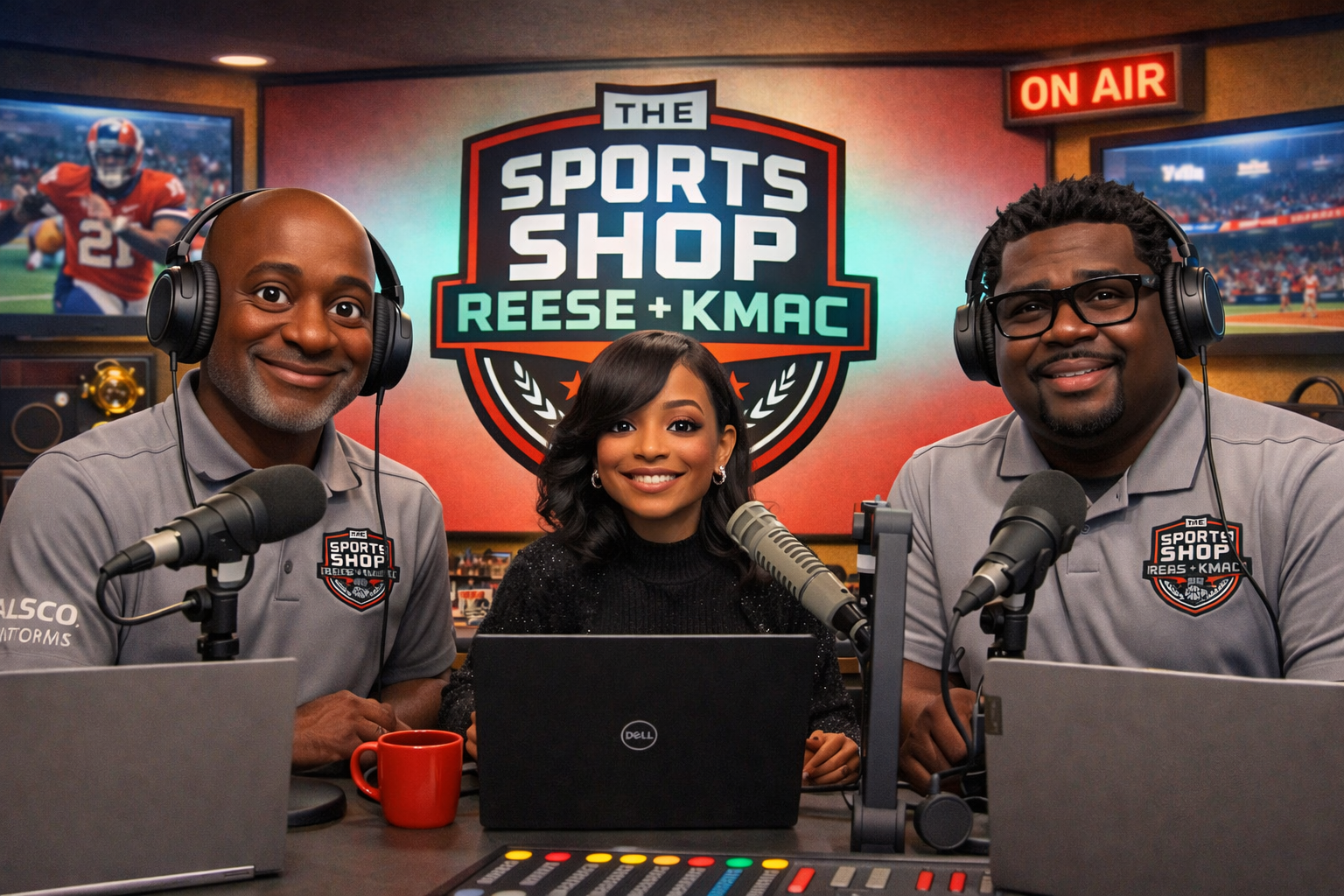
Image credit: Sports Rap Network
With only three scholarship returnees and 11 newcomers, North Carolina’s new coach is prioritizing accountability, pace and the program’s family standard.
North Carolina basketball is entering a transition season with a new head coach, a dramatically remade roster and little time to turn potential into a functional team. Mike Malone said the scale of the challenge was immediate: He was hired on the same day the transfer portal opened, then had to begin building a roster with only three scholarship players returning.
That makes this UNC season about more than talent acquisition. Malone’s early public blueprint is clear: assemble competitors and connectors, establish a defensive identity, play fast and make sure newcomers understand that the standards around Carolina basketball extend beyond one season. The question is whether a group of 11 new players can build that shared understanding quickly enough for the results to follow.
A roster overhaul demands more than a quick talent grab
Malone described the first day of his UNC tenure as a rush into the portal, a process made more manageable by the coaching staff he assembled after 25 years in the NBA. But his criteria for building the roster went beyond filling openings. He said the Tar Heels sought intangibles: players who connect with teammates, compete and recognize the responsibility that comes with representing a program of North Carolina’s stature.
That distinction matters because a team with three returning scholarship players cannot simply rely on institutional memory. A roster can be upgraded on paper and still struggle with roles, trust and late-game decision-making. Malone is trying to make those parts of the job foundational rather than incidental, with the expectation that players understand both how they fit and what the program requires of them.
Defense, rebounding and pace are Malone’s first priorities
Malone did not hedge when asked what UNC’s style will look like. “It’s always gonna start with defense for me,” he said, tying strong defense directly to winning at the highest level. From there, he wants the Tar Heels to play fast, attack rather than walk the ball into half-court sets, and execute with a selfless approach.
His daily message to the team is equally direct: defend, rebound and run. That is a useful identity for a roster still learning one another, because it gives every player a role before the offense becomes fully polished. Defensive effort, rebounding position and transition urgency can establish habits and accountability while the new faces sort out spacing, chemistry and individual responsibilities.
The offensive pieces discussed at ACC Basketball Tip-Off suggest why Malone sees pace as valuable. Returning forward Jaron Stevenson said he has focused on shooting footwork, different catches, screen actions and attacking closeouts. Newcomer Neo, a point guard Malone said can make the offense easier for teammates, emphasized becoming more consistent while improving his strength, finishing and shooting percentages.
Those skills can complement an up-tempo system, but they will only matter if UNC shares the ball and makes sound decisions. Malone’s commitment to selflessness is not a throwaway coaching phrase in this setting. With so many players arriving from different places, the fastest route to cohesion may be a team identity that rewards the extra pass, hard run and defensive stop rather than individual comfort.
Carolina’s family standard is part of the rebuild
The most revealing theme from the players and coach was family. Stevenson, who is returning, spoke about the support system created by blending his own family with the Carolina family. He also said he is pushing himself beyond his naturally laid-back personality to become more vocal, guide younger teammates through plays and extra work, and take on a larger leadership role.
Neo, who arrived from Virginia Tech after assessing whether he was ready to pursue the league, described UNC as the kind of school he had dreamed about. He pointed to the Carolina basketball reunion and the chance to meet former players and coaches as a surreal experience. For a newcomer, that exposure is a practical part of learning what the jersey represents, not merely a ceremonial introduction.
Malone said he does not have to manufacture that message because former players are already present around the program. He recalled a reunion attended by 150 former players and said even Caleb Wilson, who was at Carolina for one year, returned to pour into current players. Malone’s request of those who come through the program is simple: keep coming back and pay it forward.
That legacy carries particular weight for Malone, who acknowledged that he did not play at UNC and is not from North Carolina. He said he would not have left the NBA after 25 years for just any job, and he understands the responsibility of occupying the position previously held by Frank McGuire, Dean Smith, Bill Guthridge and Roy Williams. The program’s former players, in his view, have welcomed him and helped make the standard visible to his new roster.
What It Means
UNC’s rebuild will ultimately be judged by wins, especially once the regular season begins. Malone acknowledged that the Tar Heels have work to do before their opener against Western Carolina on November 2. But his early formula is coherent: bring in competitors, demand defensive commitment, use speed to create pressure and make the players accountable to one another.
The program’s greatest test is whether its new roster can turn those principles into a daily habit within a short runway. Stevenson’s growing voice, Neo’s desire for greater consistency and Malone’s insistence on defense and connection offer a direction. For North Carolina, the first season of this new era will be about proving that a rebuilt team can still carry an established standard.
Substantive update: