
Blog | Sports Rap Network
Tim Tebow’s Life Surge Split Raises a Faith-and-Trust Test
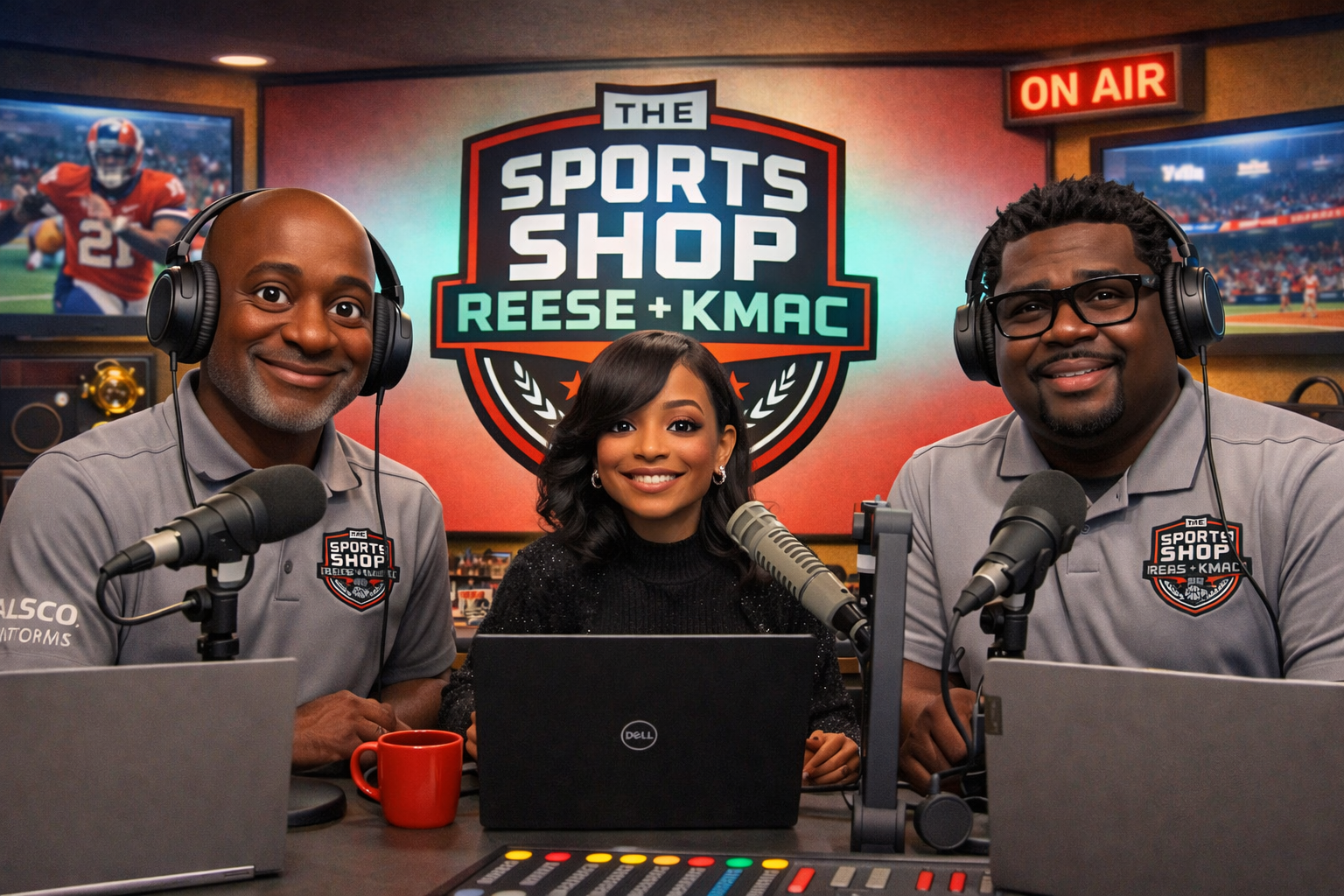
Image credit: Sports Rap Network
The former Florida star’s break from Life Surge puts a hard question before athletes and celebrities who lend their credibility to faith-centered businesses.
Tim Tebow built an unusually durable public identity around faith, service and the values that made him one of sports’ most recognizable figures. That is why his reported separation from Life Surge carries consequences beyond another celebrity-business split. The issue is not simply that Tebow was a featured speaker on a national Christian motivational tour. It is that the company, according to reporting cited by Sports Shop contributor Dr. Deborah Stroman, has been accused by consumers of using a faith-centered setting to steer attendees toward expensive financial education and mentorship programs.
Dr. Stroman said Tebow was a prominent, regular Life Surge speaker who could earn between $50,000 and $100,000 per appearance and was on pace to make roughly 20 appearances this year. She said the reporting by Pablo Torre and Mother Jones’ Kiara Butler found complaints about the company across consumer-review channels, social media and videos. For Tebow, whose name is inseparable from public expressions of Christianity, the separation creates a direct test of celebrity responsibility: What must a public figure know about the business model behind the message they are paid to deliver?
A faith message can carry uncommon commercial power
Life Surge’s appeal, as described on Sports Shop, begins with recognizable figures discussing faith, personal journeys and motivation. The entry point may feel accessible: Dr. Stroman said tickets cost about $30. But the concern is what follows. Attendees were reportedly offered introductory courses around stock-market navigation and real-estate investing for about $97, with additional mentorship and coaching offerings rising as high as $50,000.
That pathway matters because faith is not a casual brand preference for many attendees. It can be a source of comfort, community and grounding during difficult periods. Sports Shop’s hosts argued that this makes the situation more sensitive than a standard endorsement. A celebrity’s presence can reassure people that a room, a company and a financial pitch are worthy of trust before the business details are ever fully examined.
Tebow’s role made vetting unavoidable
Dr. Stroman’s central concern was not that Tebow spoke publicly about his beliefs. She made clear that faith itself is not the issue. The problem is the level of his connection to a company now facing widespread complaints. In her account, Tebow was not making a one-time contribution or appearing briefly at a disconnected event; he was a recurring speaker whose visibility helped Life Surge draw audiences.
The hosts agreed that a figure with Tebow’s profile has an obligation to understand who is benefiting from his reputation. They questioned whether his advisers properly vetted the organization, particularly when complaints had reportedly been visible. That does not establish Tebow’s knowledge of the company’s practices, and the source did not claim that he ran its financial programs. But it does sharpen the leadership question: A public figure cannot separate the inspiration they offer from the confidence their presence creates for the people listening.
The bigger issue is accountability, not belief
Sports Shop broadened the discussion into a familiar tension in sports and public life: people can speak forcefully about faith and values while their conduct, affiliations or business choices tell a different story. One host said people do not merely want to hear a sermon; they want to see it in the way a person treats family, friends and serious decisions. That standard is especially relevant when the audience includes people looking for direction.
The conversation also distinguished between incorporating faith into a public identity and using it as the lead mechanism for a sale. The hosts described their own approach as allowing their beliefs to inform their conversations without imposing them on guests or audiences. That difference is consequential. Faith-centered programming can be meaningful, but the moment it becomes the entryway to large financial commitments, transparency and scrutiny have to increase—not decrease.
Sports celebrities need stronger safeguards
The Life Surge episode is a warning for athletes, former athletes and media figures whose credibility extends beyond sports. A trusted name can make audiences lower their guard, particularly when the event’s language centers on purpose, healing or spirituality. That influence is valuable, but it is not passive. It creates a duty to ask what attendees are being sold, what risks they face and whether the company’s promises match its performance.
It is also a warning for fans. Admiration for an athlete’s playing career, charitable work or stated beliefs should not replace due diligence. Sports Shop’s discussion did not portray every faith-based appearance as suspect. Instead, it stressed the need to examine the people and institutions connected to the message. In an era when fame can turn trust into a revenue stream, the public should demand clarity before committing money they cannot afford to lose.
What It Means
Tebow’s reported split from Life Surge is the appropriate starting point, but it cannot be the end of the conversation. His public standing has long rested on the idea that faith should show up in action. Now the meaningful response is not simply distance from a controversy; it is a clearer standard for how his name, voice and audience trust will be used going forward.
The lesson reaches well beyond Tebow. Sports has always supplied powerful messengers, and faith can be a genuine part of their lives and leadership. But when inspiration is paired with expensive financial products, character must be matched by oversight. The strongest testimony is not the message from the stage. It is the care taken to ensure the people in the seats are not being exploited.
Substantive update: