
Blog | Sports Rap Network
Roseville-Millbrook Suspension Demands More Than a Security Fix
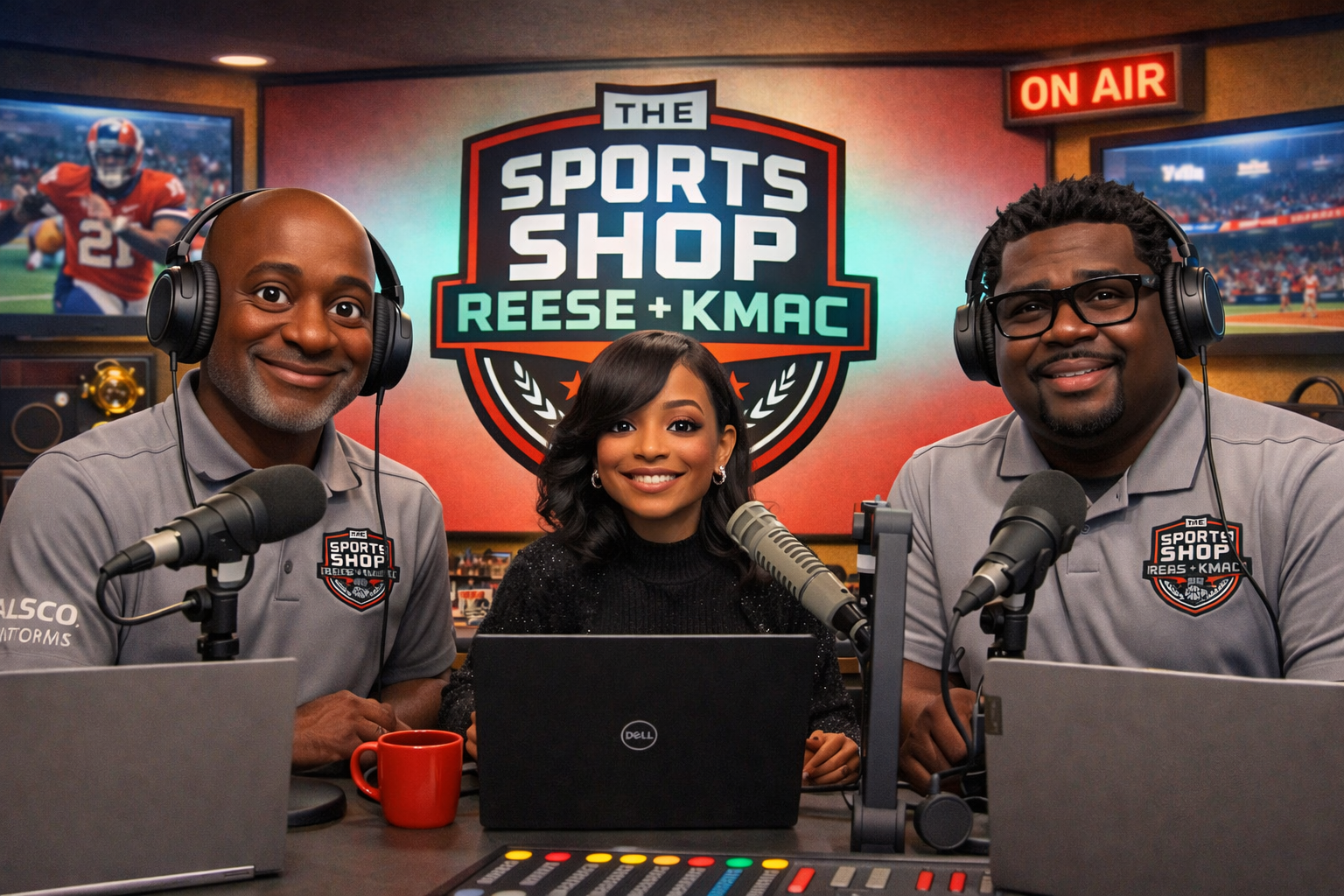
Image credit: Sports Rap Network
A highly anticipated high school football game ended without overtime after fighting emptied the stands and continued into the parking lot, raising urgent questions about accountability.
The Roseville-Millbrook football game was supposed to be a showcase: a major local matchup, an undefeated Millbrook team, a Roseville side tested by quality competition and an estimated crowd of 6,000. Instead, the game became a troubling example of how quickly the environment surrounding high school sports can overwhelm the competition itself.
After fights erupted, the stands were cleared during the second half. Police allowed regulation to conclude without fans present, and Millbrook rallied from a 10-point deficit to force a tie. But with more confrontations lingering outside and additional fights reported in the parking lot, the game was suspended before overtime. The central issue is no longer which team would have won; it is why a school event reached a point where finishing safely became impossible.
A Big Game Lost Control of Its Setting
The scale of the crowd makes the breakdown especially alarming. High school football is one of the few remaining community events that can bring together students, parents, alumni, neighbors and young children around a shared Friday-night experience. A crowd of 6,000 should represent opportunity: a strong gate, school pride and a memorable atmosphere for athletes who have prepared all week. It should not create a setting in which spectators must be removed before a game can continue.
There is an important distinction between the occasional argument that can occur at any sporting event and what was described at Millbrook. The concern voiced on Sports Shop was not simply that two people had a dispute. It was the breadth and duration of the disruption: fighting reportedly began before the game, affected the stands during the game and continued after spectators were cleared. When conflict spreads across a crowd and follows people into the parking lot, it is no longer a side incident. It becomes the event’s defining failure.
Suspending Overtime Was the Responsible Call
Ending a tied game before overtime is disappointing for players, coaches and fans, particularly after Millbrook fought back to level the score. Still, law enforcement and school officials had a more immediate responsibility than producing a clean football ending. Once crowd management requires clearing the stands and disorder continues in the parking area, the risk calculation changes. Extending the night means extending the chance that someone gets hurt.
That decision also protects the athletes from being asked to perform inside an environment they did not create. Players deserve competition, but they also deserve adults capable of securing the space around them. The teams had already completed regulation without fans present. Asking them to return for overtime while authorities were still dealing with additional fights would have sent the wrong message: that the entertainment value of a finish matters more than the safety of students and families. It does not.
The Accountability Cannot Stop With Police
The hosts’ strongest concern was aimed beyond the immediate brawl. Their question was where the adults were while a gathering of young people escalated from multiple conflicts into a larger breakdown. That does not mean every parent can prevent every confrontation, or that responsibility belongs to one group alone. It means schools, families and communities have to acknowledge that prevention cannot begin only after police are called and names are entered into official reports.
High school sports require a community standard that is clear before kickoff: spectators who threaten safety lose access, fighting is not treated as a social spectacle, and adults intervene before conflict gathers an audience. The discussion also pushed back against the reflex to describe every consequence as unfair targeting. Accountability is not over-policing when conduct has made an event unsafe. Students and families who came to watch football should not have their experience surrendered to people determined to turn a school game into a battleground.
What It Means
Roseville and Millbrook should be remembered first for the football they played, including a regulation finish that left the teams tied. Yet the suspension makes clear that talent, rivalry and a packed stadium are not enough to sustain a healthy sports culture. Safety and order are part of the event, not extras to be addressed after something goes wrong.
The answer is not to abandon high school football or pretend conflict has never existed around sports. It is to take the escalation seriously. A game that draws thousands can be one of a community’s best nights. But that only happens when students, parents, school leaders and spectators agree that the game is bigger than any urge to fight—and that protecting the people in the stands matters as much as the score on the field.
Substantive update: