
Blog | Sports Rap Network
Cowboys Took a Punch From Giants—But Is It Panic Time?
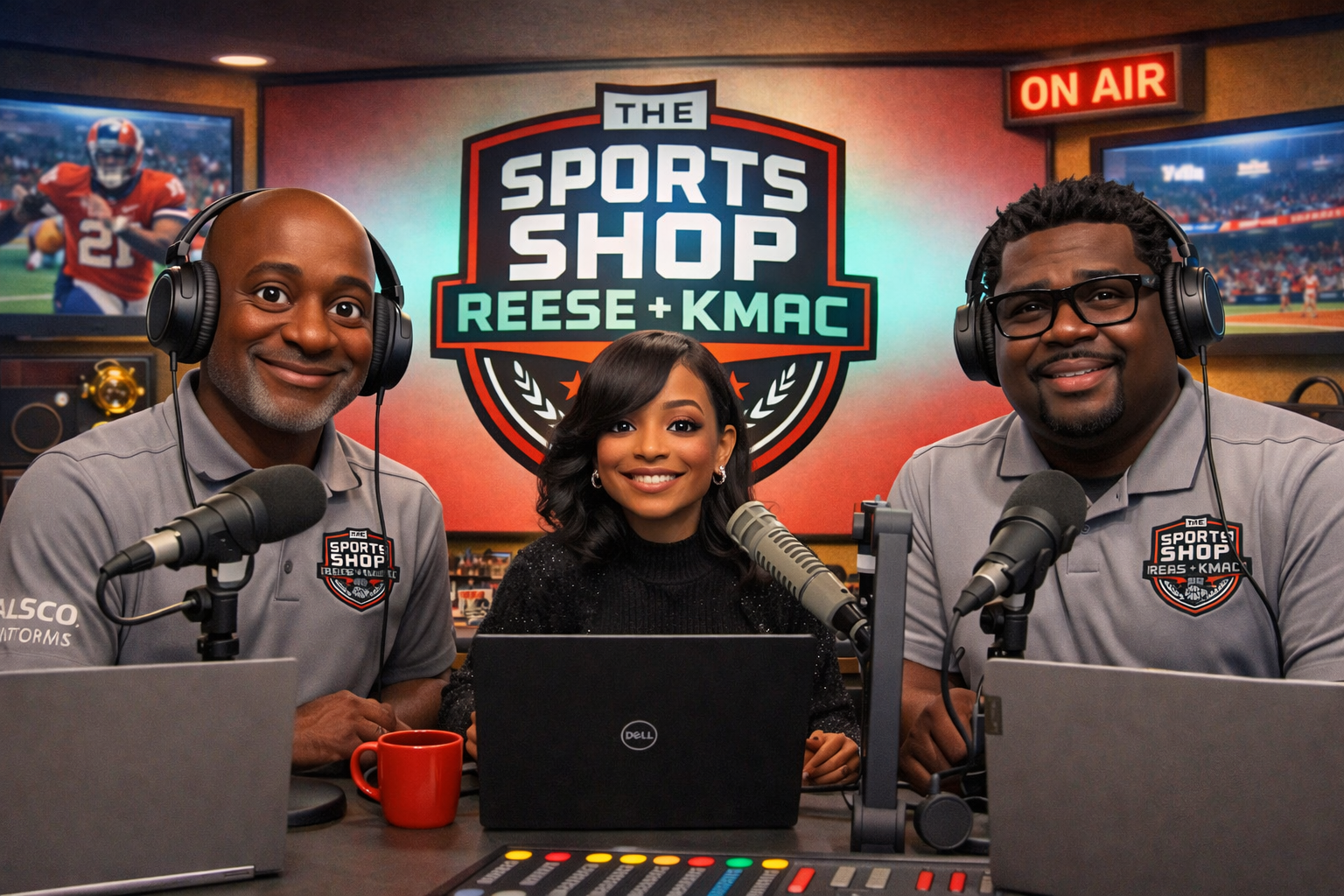
Image credit: Sports Rap Network
Dallas opened with a discouraging loss to the Giants, reviving a familiar debate: is this an early stumble or another warning about expectations?
The Dallas Cowboys did not merely lose an opener; they were described as a team that got “punched in the mouth” by the New York Giants. The Giants ran the ball consistently, controlled the action and, in the view of the Sports Shop conversation, made a Cowboys roster built around offensive firepower look unprepared for the moment.
That performance immediately reopened the oldest argument surrounding Dallas: when does legitimate concern become panic? Cowboys supporters can point to a single game and a coach urging his team to study the film, identify its mistakes and improve. Critics see something more familiar—a franchise whose annual confidence routinely exceeds its eventual results.
The Giants Exposed the Gap Between Talent and Readiness
The concern is not that Dallas lost one game. It is the manner of the loss. The Cowboys entered the season carrying considerable hype around an offense with two standout receivers and veteran quarterback Dak Prescott, along with a defense described as revamped. On paper, those ingredients should give a team a fighting chance every Sunday. Against the Giants, however, the expected edge never showed itself.
Instead, New York imposed its will. The Giants’ ability to run the football and do what they wanted offensively left Dallas looking as though it had not matched the physicality or urgency of its opponent. A team can survive an opening-week defeat. It is much harder to dismiss a game in which the opponent appears more organized, more forceful and more certain of its identity.
One Game Should Not Decide a Season
The reasonable case against panic is simple: the season is not one week long. Dallas’ coach reportedly framed the loss as a film-room problem, not a crisis—an opportunity for the group to identify breakdowns and get better. That is the proper internal response, especially when the team believes it has the personnel to correct what went wrong.
Context matters, and the show’s broader NFL discussion repeatedly returned to that point. Standings after one game can be misleading, just as one upset or rough performance cannot settle every question about a roster. The Cowboys do not need grand declarations right now. They need a more disciplined response, a better showing and evidence that the Giants game was an outlier rather than a preview.
Dallas Carries the Weight of Its Own Hype
Yet Dallas is not judged like a quiet, rebuilding club. The Sports Shop debate made clear that much of the backlash comes from the volume of the Cowboys’ expectations. Opponents of Dallas are tired of hearing preseason Super Bowl talk and yearly declarations of greatness, only to watch the season end without the payoff those claims promised.
That is why Cowboys fans cannot entirely separate the opening loss from the franchise’s larger history. One panelist argued that the disappointment is rooted in having the wrong expectations. For Dallas, the expectation has often been more than a respectable regular season. It has been a breakthrough. When the opening performance falls well below that standard, rivals do not see bad luck; they see another reason to doubt the promises.
The Real Test Is Whether Dallas Can Respond
The Cowboys do not have to answer every criticism with words. Their next performances will do that. A team with Prescott, a strong receiving group and a reconstructed defense should be capable of responding to adversity with cleaner execution, greater toughness and a more convincing plan. The Giants loss becomes manageable if Dallas quickly establishes that it can play to its personnel advantages.
But the early concern is justified because Dallas has little room to lean on reputation alone. The show’s critics challenged the idea that the Cowboys can simply assume a return to their usual win total. That confidence has to be earned in the current season. If the team continues to look overwhelmed at the line of scrimmage or unable to turn talent into control of games, the conversation will shift from overreaction to accountability.
What It Means
Calling for a Dallas reset after one game would be premature. The Cowboys have time to correct mistakes, and their own coach’s message—to learn from the film and improve—is more useful than trying to win an argument in September. A season’s identity is formed by response, not by one ugly afternoon.
Still, the Giants delivered a reminder Dallas cannot ignore. The Cowboys’ ceiling has never been the only issue; their ability to meet the expectations surrounding them is. If they want the panic talk to disappear, they must stop relying on what their roster suggests and start showing, week after week, that they are more than the team everybody expects to hear from every offseason.
Substantive update: