
Blog | Sports Rap Network
Giants’ Physical Formula Put Cowboys on Notice
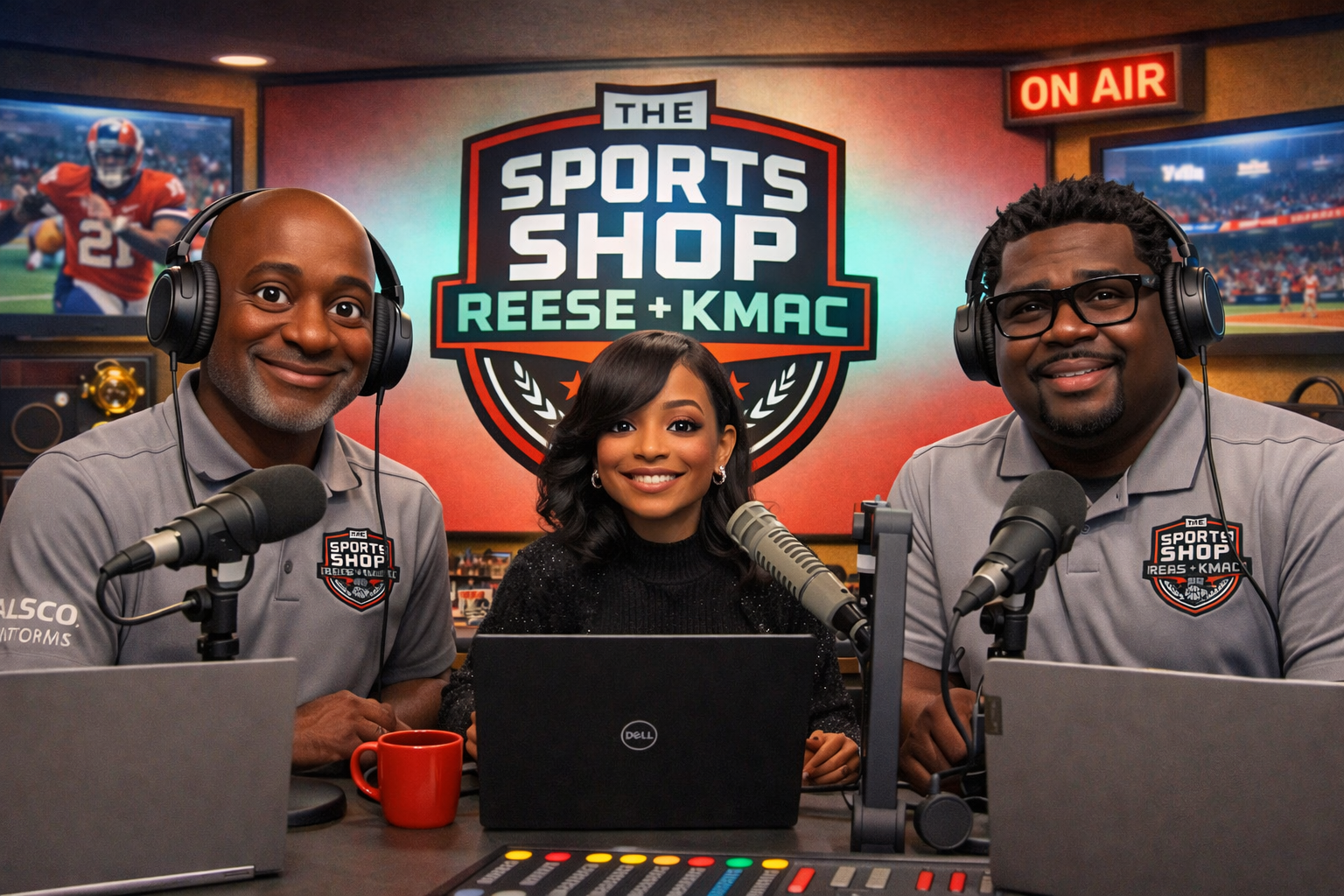
Image credit: Sports Rap Network
New York controlled the football, dominated possession and played with a confidence that made its victory over Dallas feel like more than an opening-week surprise.
The New York Giants did more than beat the Dallas Cowboys in their opener: they imposed a style of football that made Dallas look powerless to change the game. New York ran the ball effectively, controlled time of possession and limited the Cowboys’ chances to recover, creating one of the weekend’s clearest statements in the NFL.
That performance stood out because the Giants were not among the teams drawing much preseason attention in the discussion around the league. Yet under Harbaugh, New York looked organized, physical and confident, with Jackson Dart steady at quarterback. It is only one game, but the manner of the win gave the Giants a foundation worth taking seriously.
New York Won the Game Before the Scoreboard Could Change
The central story of the Giants’ win was control. Dallas did not simply make a few costly mistakes and lose a tight game; New York dictated possession and made the Cowboys wait for opportunities that never came often enough. The Giants’ ground game was a major reason. By consistently running the ball and keeping the offense on schedule, New York turned the contest into a game played on its own terms.
Dak Prescott’s postgame assessment captured the problem. He credited the Giants for executing their plan, stopping the Cowboys’ run and controlling both time and possessions. Prescott also acknowledged that Dallas was limited in the second half and did not receive the chance it needed to get back into the game. That is the value of a team that can run the ball and defend: it can take urgency, rhythm and even hope away from an opponent.
Harbaugh’s Giants Looked Different
The most striking takeaway was the visible change in New York’s demeanor. The Giants played with a level of belief and discipline that the Sports Shop conversation tied directly to Harbaugh’s influence. There was no sense of a team merely hanging around or waiting for Dallas to falter. New York appeared prepared to initiate contact, manage the game and trust its identity.
Dart was part of that picture. He was described as on point and very confident, qualities that matter especially when a team is winning through balance rather than asking its quarterback to rescue every possession. A young or developing quarterback benefits when the running game is working and the defense is doing its job. More importantly, he must avoid disrupting that formula. Dart did exactly that, allowing the Giants’ overall approach to remain intact.
The Cowboys Exposed Their Familiar Vulnerability
For Dallas, the loss renewed an uncomfortable question: how much has really changed? There was hope around a revamped defense and a shift from a 4-3 to a 3-4 alignment, but transitions demand dependable linebacker play and cohesion across the unit. The Cowboys also dealt with injuries during the game, another complication for a group trying to establish itself early.
Still, the sharper explanation was not simply that Dallas failed; it was that New York made the Cowboys fail to access the game. The Giants dominated the ball, and that possession imbalance was repeatedly identified as the decisive component. Dallas could not establish enough offensive rhythm because it did not have the football enough. Against a physical opponent, that problem can snowball quickly: fewer possessions create more pressure, and more pressure narrows a playbook.
One Week Is Not a Verdict, But It Is a Warning
There is reason to resist turning one strong result into a sweeping forecast. The discussion itself raised the possibility of an overreaction to the Giants’ rise, and that caution is fair. An opening-week victory cannot settle who will lead the NFC or whether New York can sustain this level against every opponent on its schedule.
But the Giants do not need a premature crown for their performance to matter. The formula displayed against Dallas travels: defend, run the football, keep the quarterback composed and control the clock. Teams built to play that way are difficult to handle because opponents have fewer possessions and less room for error. New York’s next challenge comes against the Rams, but the Cowboys game established a meaningful early standard for what the Giants can be.
What It Means
The Giants’ victory deserves attention because it was rooted in the aspects of football that tend to hold up when the season gets difficult. New York was physical, patient and connected. Harbaugh’s group looked like it understood how it wanted to win, while Dallas spent too much of the game trying to find a way back into a contest it no longer controlled.
For the Cowboys, the response must be more than frustration after a disappointing opener. For the Giants, the task is to prove this was the beginning of an identity rather than a single September surprise. Either way, New York put the league on notice: a team that can take the ball, take the clock and take an opponent’s confidence is not an easy out.
Substantive update: