
Blog | Sports Rap Network
NIL’s Fine Print Is Becoming College Sports’ Next Big Test
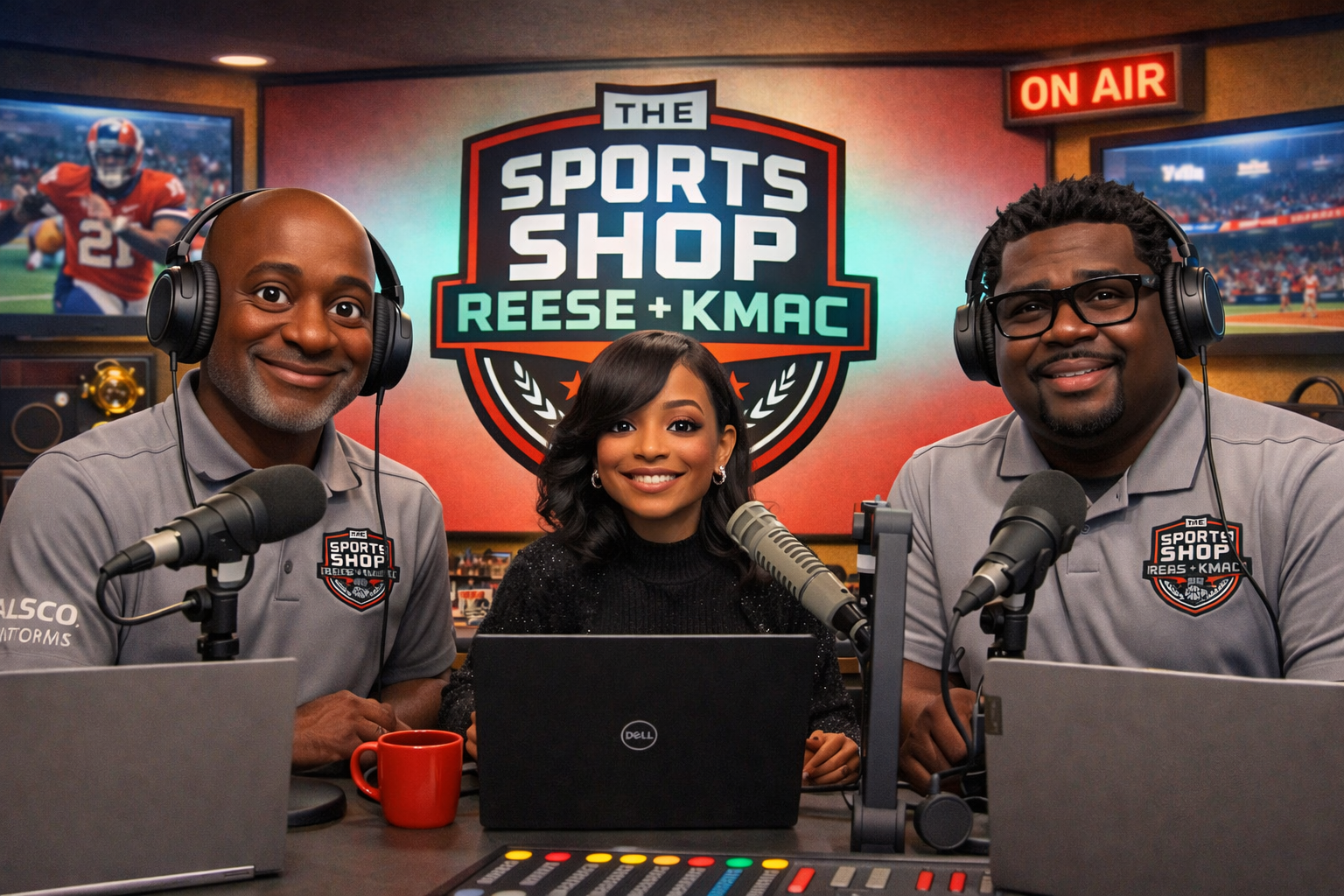
Image credit: Sports Rap Network
Sports Shop hosts say the rush to pay players has created a new set of questions about scholarships, contracts, roster decisions and who protects families before they sign.
College athletics has spent years debating whether players deserve to be paid. On Sports Shop, the sharper question was what happens after the money arrives—and whether athletes and families truly understand the agreements attached to it.
The discussion was sparked by a wider conversation around LSU, roster additions and players attempting to navigate the space between pro football and college football. But the most consequential point was not one school’s roster. It was the hosts’ reminder that NIL money may not always sit on top of a traditional scholarship; in some arrangements, it may effectively be the financial package that must cover the student-athlete’s education and other obligations.
LSU Talk Revealed How Quickly the Details Can Shift
The hosts initially framed LSU’s situation around players returning from NFL training camps, amid discussion of potential conference action and a legal dispute. They then corrected the key detail on air: LSU had completed its roster by adding two returning players who had been injured, not players coming back from NFL camps. That clarification mattered because college roster rules and eligibility questions can be distorted when the facts are incomplete.
Even with that correction, the segment captured the instability surrounding today’s college football environment. The hosts described NIL, litigation, conference power and roster construction as overlapping forces that can make it difficult for fans to tell where the rules begin and end. Their concern was less about one headline and more about a system in which major decisions can turn on terms that are not easily understood by the public—or, potentially, by the people signing the paperwork.
An NIL Deal May Not Be Extra Money
A Sports Shop insider’s observation about NIL agreements drew significant audience reaction: NIL does not necessarily mean an athlete receives money in addition to a full scholarship. The hosts said some deals can function as the scholarship itself, meaning families must determine whether the payment is expected to cover tuition, housing and the broader cost of attending school.
That possibility changes the meaning of a large NIL number. The hosts used the example of a costly private-school education to illustrate the point: a contract figure that sounds substantial may not leave as much disposable money as a family assumes once educational expenses are considered. The issue is not whether athletes should be compensated. The hosts were clear that the question is whether the full financial structure is explained before an athlete commits to a deal.
Parents Need Counsel, Not Just a Big Number
The strongest warning from the conversation was directed at parents and guardians. The hosts argued that families should not attempt to interpret complicated agreements on their own if they lack legal experience. Their advice was straightforward: get legal counsel and examine the contract rather than focusing only on the headline dollar amount.
That counsel is especially important when agreements contain clauses, contingencies or requirements that affect what happens if a player does not play, leaves a program or faces another change in circumstances. The hosts openly questioned what becomes of NIL money if an athlete is no longer participating. They did not claim to know the answer for every deal. That uncertainty was precisely their point: the fine print can carry consequences that a celebratory signing-day announcement never explains.
College Football Is Moving Toward a Different Model
The hosts see NIL as part of a larger shift in which college athletes increasingly operate like professional athletes. They described the current landscape as chaotic, with different parties doing different things and little consistency across the board. In their view, the NCAA cannot remain what it once was because the economic and legal realities around the players have changed too much.
That does not mean the hosts dismissed player compensation or athlete empowerment. Instead, they argued that the new model needs clearer expectations and stronger protections. A player should have the opportunity to benefit from his talent. But opportunity without understandable terms can become another form of risk, particularly for young people and families trying to make life-changing decisions under pressure.
What It Means
The NIL era has given college athletes more leverage and more possible paths to financial gain. Sports Shop’s concern is that leverage only works when athletes know what they are agreeing to, what their compensation covers and what conditions could affect the deal later.
The next phase of college sports cannot be built on attention-grabbing numbers alone. It has to include transparency, qualified advice and accountability. For players, parents and programs, the smartest move may be the simplest one: read every line before signing.
Substantive update: