
Blog | Sports Rap Network
Clemson’s Problem May Be Bigger Than One Bad Loss
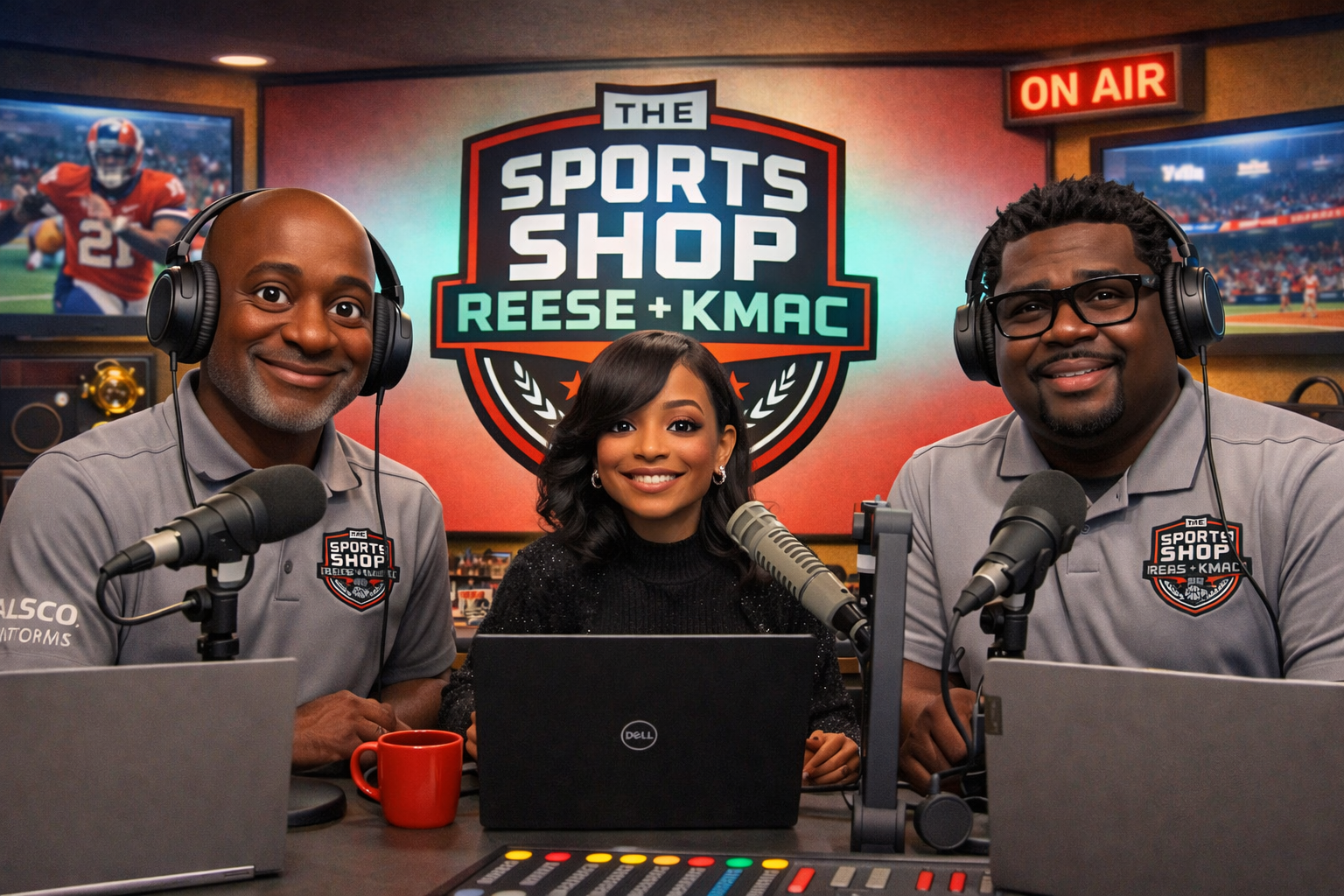
Image credit: Sports Rap Network
Sports Shop callers and hosts saw more than an embarrassing performance: they saw a program confronting the financial realities now shaping college football.
A bad loss can expose bad tackling, bad quarterback play or a bad game plan. But the Sports Shop conversation around Clemson landed on a deeper concern: whether Dabo Swinney’s program is equipped to compete in a college football environment increasingly driven by NIL resources.
The on-field result was described as embarrassing, and the criticism was direct. Yet the show’s most consequential point was that Clemson’s problem may not be solved by simply coaching better next Saturday. If the financial support behind the roster is trailing major rivals, the Tigers are dealing with a structural challenge as much as a football one.
The loss raised familiar questions, but with new urgency
The hosts did not treat Clemson’s performance as a minor opening-week stumble. D.L. Reese said it was probably the worst he had seen Swinney coach a team, a striking assessment from a conversation that otherwise celebrated a loaded college football weekend. A caller agreed, labeling Clemson’s showing embarrassing and saying the coach’s seat had become hotter.
That reaction was not just about a scoreboard. Clemson remains a program with expectations, and expectations make a lopsided or uninspired showing feel different. The Sports Shop panel viewed the loss alongside other troubled programs, including Florida State, but Clemson drew particular attention because its decline appeared to invite a larger question: what has changed around the program while the sport changed around it?
NIL is now part of the coaching job
One caller with what Reese described as connections to the “money flow” argued that Clemson is not close to competing financially with certain schools. The caller said Miami’s NIL funding was $19 million more than Clemson’s and that Texas was more than double Clemson’s level. Those figures were presented on the show as evidence of a gap, not as an excuse for every poor play.
The larger point was unmistakable. In this era, a head coach is expected to do more than install an offense and develop a depth chart. The caller argued that coaches must engage boosters, build confidence and galvanize the people who can provide resources for the roster. Reese immediately recognized the importance of that point and said the show should devote a full segment to how the money works.
The resource question reaches the player experience
The discussion became even more revealing when the caller said Clemson players may be expected to pay for classes out of their NIL money. Reese reacted with surprise, asking whether that was really the arrangement. The caller’s answer framed Clemson as a school asking athletes to make harder financial choices while rival programs can offer more substantial support.
That allegation, as discussed on Sports Shop, matters because recruiting is not simply a sales pitch about tradition anymore. Players and families weigh opportunity in practical terms. They consider how a school supports education, development and daily life, as well as the chance to win. When a program cannot match the marketplace, its coaches must either find another compelling advantage or risk watching talent choose elsewhere.
Money does not replace coaching, but it changes the margin
The show did not argue that NIL money automatically wins games. Reese’s criticism of Clemson’s coaching made clear that execution and preparation still matter. A coach cannot point to a funding gap after every defeat, and a well-resourced program can still be poorly managed. Football remains dependent on leadership, accountability and decisions made during the game.
But the conversation also recognized that money changes the margin for error. Better-funded programs can improve roster depth, retain contributors and make themselves more attractive to players with choices. That can show up in the fourth quarter, on special teams, in injuries, or in the difference between having a proven option and hoping an inexperienced player is ready. Clemson’s concern, in the hosts’ view, is that it may be conceding ground before kickoff.
What It Means
Clemson’s immediate responsibility is still football. The Tigers have to respond with sharper coaching, better play and a clearer identity. No financial explanation will satisfy supporters if the program looks unprepared or overwhelmed. Reese’s blunt reaction reflected that standard: this was not the Clemson people expect to see.
Still, Sports Shop identified a question that will outlast one weekend. Can Clemson’s leadership build the NIL infrastructure needed to keep pace without losing the culture that made the program successful? In modern college football, that is not a side issue for boosters and administrators. It is central to whether a program can protect its standard, support its athletes and remain relevant in the games that matter most.
Substantive update: