
Blog | Sports Rap Network
The SEC’s Eligibility Standoff Raises a Bigger Question: Who Gets a Second Chance?
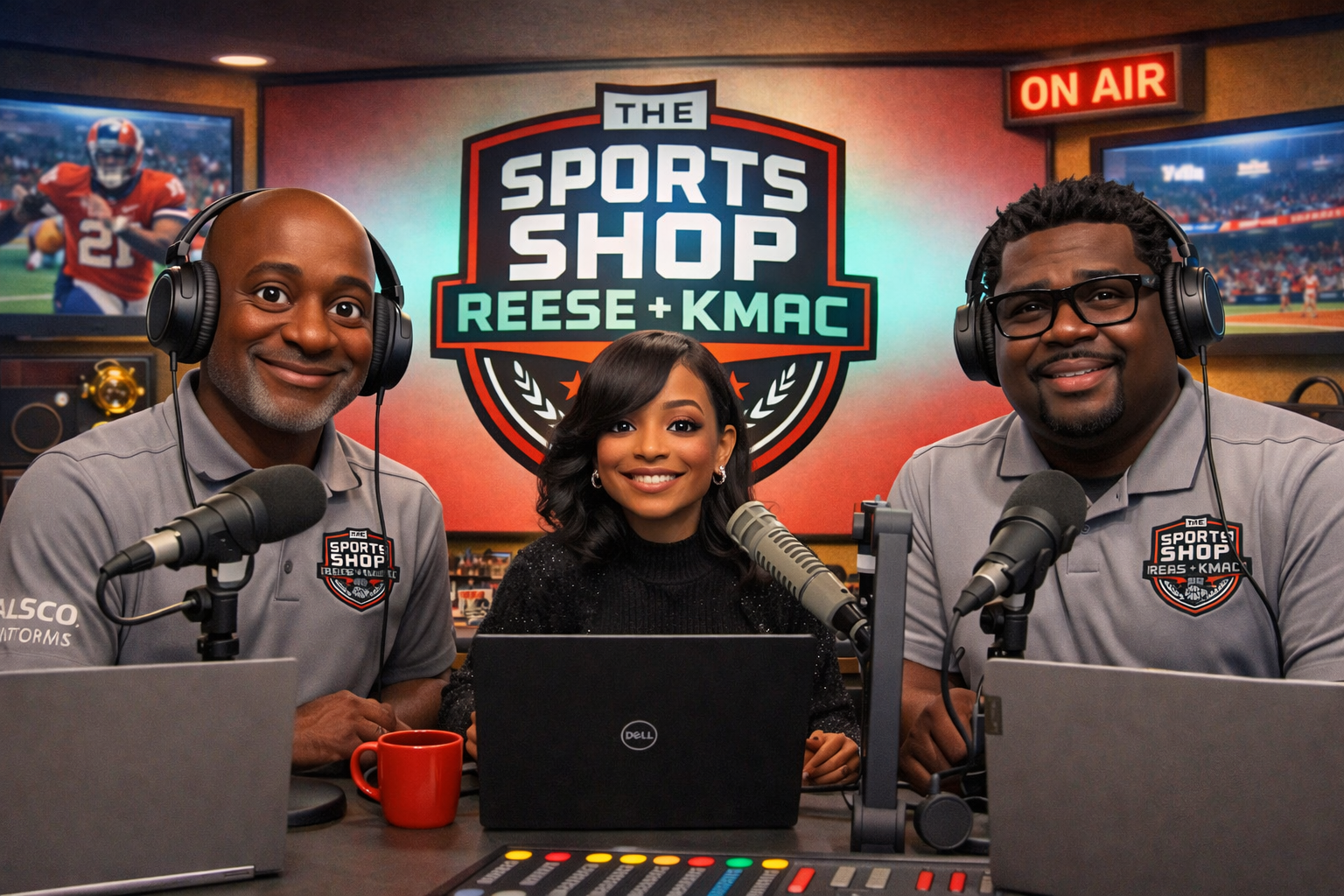
Image credit: Sports Rap Network
As former football players seek to return after brief NFL opportunities, the Sports Shop panel sees a system struggling to apply one definition of professionalism fairly across sports.
College sports has spent years redrawing the boundaries around athlete opportunity, and the latest eligibility dispute puts one of its oldest rules under the brightest possible light: When does a young athlete truly become a professional?
On Sports Shop, the discussion centered on former football players Daquan Wright and Savion Harris, who pursued NFL opportunities after believing their college careers were finished, then sought a fifth year after being released. Their effort has produced a legal fight that reaches beyond one roster decision and into the NCAA’s larger struggle for consistent, credible rules.
A temporary ruling with major consequences
The immediate matter discussed on the show involved a request for a temporary restraining order, with a possible injunction to follow. The players’ position is rooted in a change involving five-year eligibility that arrived in June, after outgoing seniors had already made career decisions based on the understanding that four years meant their time in college was over.
The panel also pointed to LSU basketball player RJ Luis, who returned after playing in the G League and received a temporary injunction preventing the NCAA from interfering with his eligibility for this season. That development gives the football plaintiffs an important comparison: if one player can return from a developmental professional setting, why should players released after an NFL opportunity be treated differently?
The SEC says eligibility is not its decision
The SEC’s response, as outlined during the conversation, is a narrow but consequential one. The conference maintains that the court action concerns the NCAA’s eligibility authority, not the SEC’s ability as a voluntary association to establish and enforce its own rules for member institutions.
That distinction is why the conference’s recently announced consequences became central to the debate. The proposed penalties for a school that uses such players include a half-season suspension for the coach, a 50 percent reduction of the annual budget and loss of league voting rights. The schools may not be directly told that an athlete cannot play, but the practical threat is obvious: play him, and the institution could face severe damage.
The fairness problem is impossible to ignore
Sports Shop hosts questioned why the SEC would take such a hard line over a relatively small class of athletes. Their concern was not merely about these specific football players. It was about the precedent: if athletes can sign a training-camp deal, get cut and return to school, that could reshape the path for future football and basketball players.
The more forceful challenge was the apparent inconsistency. NCAA bylaws were described as treating the signing of a professional contract as the point at which eligibility ends. Yet the panel noted that basketball players with experience in foreign leagues and developmental environments can still appear on college rosters. In the hosts’ view, the G League, overseas developmental situations and an NFL practice-squad or training-camp path all invite the same basic question: what, in real life, makes someone a pro?
A rule can be legal and still feel punitive
One contributor expected a judge could favor allowing the player to return, while also acknowledging that courts may have no clear path to stop the SEC from enforcing its own conference rules. That is the tension at the heart of the case. A player may win a fight over eligibility, while his school still has to decide whether using him is worth the institutional punishment.
The hosts viewed that arrangement as a slippery slope. Their argument was that an organization can effectively achieve through financial and competitive sanctions what it cannot necessarily accomplish through a direct prohibition. The comparison made on air was deliberately pointed: policies that technically permit a choice while attaching devastating penalties to that choice deserve close scrutiny, especially when the impact falls on athletes whose routes to opportunity are already uncertain.
What It Means
This dispute is about more than whether Wright, Harris or any similarly situated player gets one more season. It is about whether college athletics can create rules that recognize the reality of modern player development. A brief NFL opportunity that ends before a player earns a roster spot is not automatically the same thing as a stable professional career.
Sports Shop’s frustration came from seeing a system that appears flexible in some basketball cases and rigid in football. The eventual ruling may address the short-term eligibility question, but the broader work remains. The NCAA and its conferences need a standard that athletes, families and schools can understand before life-changing decisions are made—not one that becomes clear only after the opportunity has already passed.
Substantive update: