
Blog | Sports Rap Network
HBCU Sports Are Getting the Platform Their Programs Have Earned
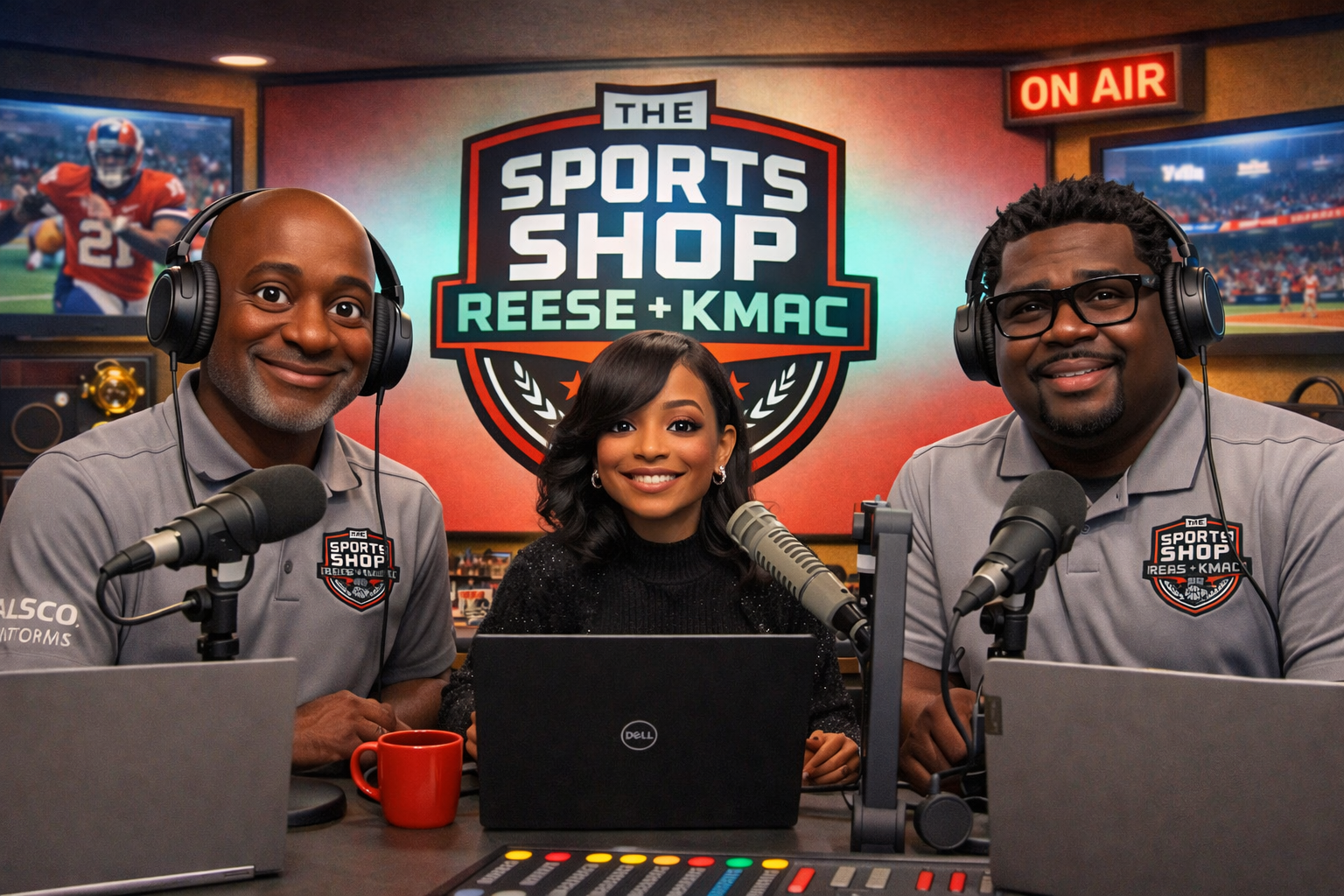
Image credit: Sports Rap Network
From a prominent ABC football window to HBCU Go’s polished storytelling and a local golf invitational built around opportunity, the Sports Shop saw clear signs that HBCU athletics are being treated with greater intention.
HBCU sports are not asking to be treated as an afterthought, and the Sports Shop’s discussion of the opening college football weekend made the case that the broader sports landscape is finally beginning to recognize that. Alabama A&M and Howard receiving the final ABC window after a full day of major games stood out to the hosts as more than a scheduling footnote. It was meaningful national exposure for two programs and the culture surrounding them.
For D.L. Reese, an Alabama A&M Hall of Famer, seeing his school on that kind of stage carried the emotional weight of watching a child grow up and flourish. His reaction was rooted in perspective: the program he knew as a player did not have anything close to that platform. The elevation of the presentation, the audience and the attention reflects a different era for HBCU athletics.
A National Window Changes the Conversation
The Alabama A&M-Howard game was positioned after matchups involving North Carolina, NC State and Virginia, giving HBCU football a place inside a larger day of college football viewing rather than isolating it from the sport’s main conversation. That placement matters because it lets casual viewers encounter HBCU programs as part of the complete football landscape, not as a separate product that must be sought out only by alumni and devoted supporters.
The hosts did not argue that one television window solves every challenge facing HBCU athletics. But they did see it as evidence that the product deserves serious presentation. Visibility can introduce recruits, families, fans and prospective partners to the schools, bands, campus energy and athletes that make these programs distinctive. When the stage is bigger, the opportunity to build lasting interest is bigger too.
HBCU Go Shows What Investment Looks Like
Reese pointed listeners toward HBCU Go, the platform associated with Byron Allen, after spending time watching its programming. What impressed him was not simply that games were available. He emphasized the production value: the graphics, stadium presentation, field elements, game recaps and features that told stories beyond the final score. To him, it was clear that real resources had been placed behind the coverage.
That distinction is important. Sports audiences can tell when a broadcast has been built with care, and strong coverage affirms that the athletes and institutions are worth seeing in high quality. The show’s praise centered on the platform’s deeper approach, including campus segments involving Alabama A&M, Howard, North Carolina Central and Hampton. This kind of storytelling gives fans context and allows a program’s identity to travel farther than a highlight clip.
The Opportunity Extends Beyond Football
The Sports Shop also highlighted the HBCU SAS Golf Invitational at Prestonwood, where North Carolina A&T and North Carolina Central are expected to have a significant presence among teams arriving from around the country. The hosts stressed that local alumni support is a priority, particularly because the two schools are close to the event. Their message was clear: attendance and engagement from the community can help turn a quality event into a stronger long-term institution.
The invitational represents the broader value of HBCU sports gatherings. The hosts described it as much more than competition on the course, pointing to networking, vendors, food and direct opportunities for student-athletes. They noted that players have received jobs through connections made at the event. That is a powerful reminder that sports can create career pathways, professional relationships and economic access alongside trophies and scorecards.
One Lopsided Score Does Not Define the Movement
The show also addressed the reaction to Savannah State’s 87-point loss to Sacramento State. Some observers were embarrassed by the margin, while others felt the public response had become excessive. The hosts acknowledged that such a defeat is embarrassing, especially when the score reaches that level, but they questioned where the outrage should be directed and whether it should overshadow every other story coming out of HBCU football.
Their larger point was about proportionality. Programs sometimes face difficult matchups, including games against better-resourced opponents, and a bad result does not erase the work of athletes, coaches and campuses. The response should include accountability and a clear-eyed look at competitiveness, not a rush to reduce an entire program or HBCU football as a whole to one painful outcome. Growth is rarely a clean, uninterrupted climb.
What It Means
The strongest message from the Sports Shop was not that HBCU athletics need sympathy. It was that the schools, athletes and communities have earned investment that matches their value. A national football slot, polished dedicated coverage and events that connect student-athletes with employers all point toward a more complete model of support.
That model depends on more than networks and platforms. It also needs alumni, local businesses and fans to show up, especially when opportunities arrive close to home. The next chapter of HBCU sports will be shaped by what happens on the field and course, but also by who commits to building the infrastructure, audience and legacy around the games.
Substantive update: