
Blog | Sports Rap Network
North Carolina’s TCU Win Gives Bill Belichick a Real Foundation in Chapel Hill
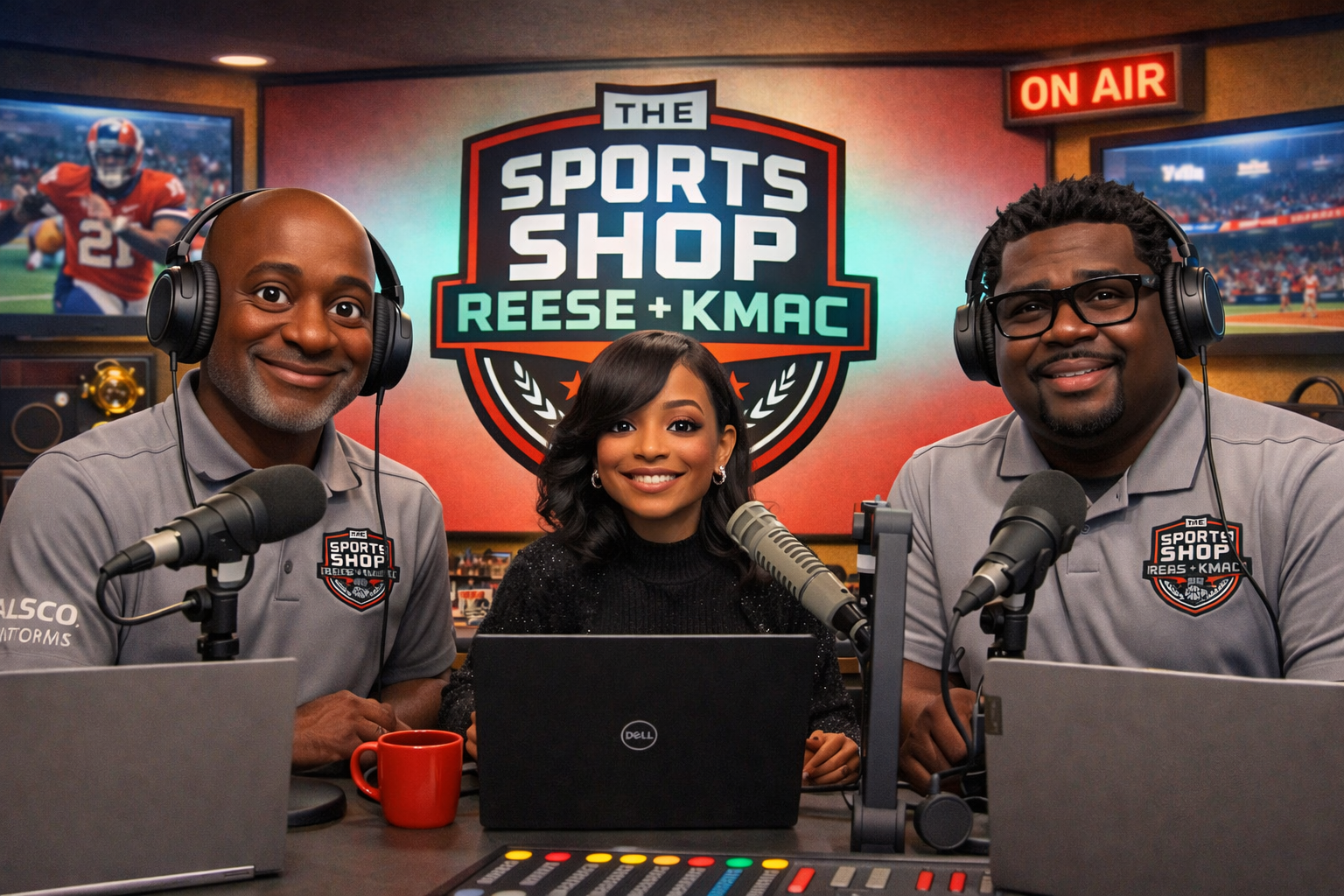
Image credit: Sports Rap Network
The Tar Heels did more than quiet doubters in Ireland: they showed the discipline, defensive edge and local-player hunger that Sports Shop hosts believe can make this season meaningful.
North Carolina’s victory over TCU was the kind of result that changes the conversation without settling every question. On Sports Shop, hosts who had expected the Tar Heels to be overwhelmed were quick to own the miss. Their response was not a premature championship prediction. It was recognition that North Carolina looked organized, physical and prepared in a way that offered a sharp contrast to last season’s uneven image.
The win also gave Bill Belichick an early signature moment in Chapel Hill. Belichick called it a team win, crediting players who handled scout-team work and helped prepare the group for a difficult opponent. That emphasis fit what the Sports Shop panel saw on the field: a team that protected the ball better, made important fourth-down plays, leaned on defense and special teams, and found a way to answer challenges rather than drift when the game tightened.
A Belichick-style identity showed up early
Pamela Thomas said the Tar Heels won in what she called the Belichick way, with the defense at the center of the performance. The hosts repeatedly returned to the same elements: quarterback play that did not need to carry every snap, a defense that limited damage, and special teams that contributed to a complete effort. It was not flashy talk for the sake of it. It was an acknowledgment that North Carolina played with a clear identity.
That identity mattered because TCU arrived as a respected opponent capable of creating problems. Belichick noted that TCU presented difficult looks, but said his players responded and produced big plays. Sports Shop saw more discipline in the Tar Heels than it had seen a year ago, including a line of scrimmage that did not appear physically overwhelmed. For a program trying to establish credibility, looking equipped to compete is as important as the final result.
The offense had direction, not desperation
The hosts gave offensive coordinator Bob Petrino credit for an attack that looked far more coherent than the one North Carolina displayed last season. Whatever opinions follow Petrino from previous stops, the panel’s view was direct: he knows how to call offense. The Tar Heels used their athletes effectively, got production from their tight end and saw Jordan Shipp make an impact.
The running game also stood out. Abdul, the downhill runner wearing No. 9 whom the show had previously interviewed, was described as a player who looked even bigger and more forceful on the field. The conversation around him went beyond one game. His path, including time spent working while football opportunities were uncertain, gave the performance a meaningful edge. He played, in the hosts’ words, like a hungry player, and North Carolina benefited from that urgency.
Still, the Sports Shop crew kept the praise in proportion. Turnovers affected both teams, and TCU’s quarterback did not have his best day. The Tar Heels do not need to turn one important win into a season-long guarantee. One host projected a possible 6-6 record or perhaps a game over .500, framing that as genuine progress rather than a disappointment. The immediate task is carrying this standard into East Tennessee State and then tougher tests ahead.
Local recruiting is part of the bigger message
The most pointed part of the conversation concerned Xavier Lewis, identified as a player from Rolesville in the Raleigh area. Callers and hosts celebrated his play while asking why nearby programs had not offered him. According to caller Chuck Jones, Lewis had been committed to Austin Peay before Belichick and North Carolina brought him in. The show described him as a player who had already earned snaps as a true freshman and now has significant eligibility remaining.
That story landed as more than a recruiting complaint. The hosts argued that programs should be more alert to talented players in their own backyards rather than allowing them to slip away while pursuing prospects elsewhere. They raised similar questions about Byron Brown, another local player who left the area. Recruiting will always be competitive and complicated, but the principle is simple: programs that understand their communities can build stronger connections, retain more talent and give local families more reasons to see themselves in the team.
North Carolina’s win does not prove that every recruiting decision has been solved. It does show why evaluation and development matter. Finding a player who was headed toward a smaller opportunity, then putting him in position to contribute on a major stage, is the kind of decision that can reshape a roster over time. That is also the kind of story fans recognize immediately, especially when the player comes from down the road.
What It Means
Sports Shop’s reaction was joyful, but it was not blind celebration. The hosts apologized to Tar Heel fans for expecting a rout in the other direction, praised Belichick and his staff for getting the team ready, and stressed that there is still cleanup ahead. That balance is appropriate. A strong opener is evidence, not a finished résumé.
For North Carolina, the significance of the TCU victory is that the program now has a visible standard to protect. The Tar Heels showed defensive resolve, offensive structure, physical competitiveness and contributions from players with something to prove. If they continue to play with that discipline, the season can become about more than one impressive trip abroad. It can become the beginning of a sturdier football culture in Chapel Hill.
Substantive update: