
Blog | Sports Rap Network
Roger Craig’s Hall of Fame Moment Carries a Bigger Warning for Football
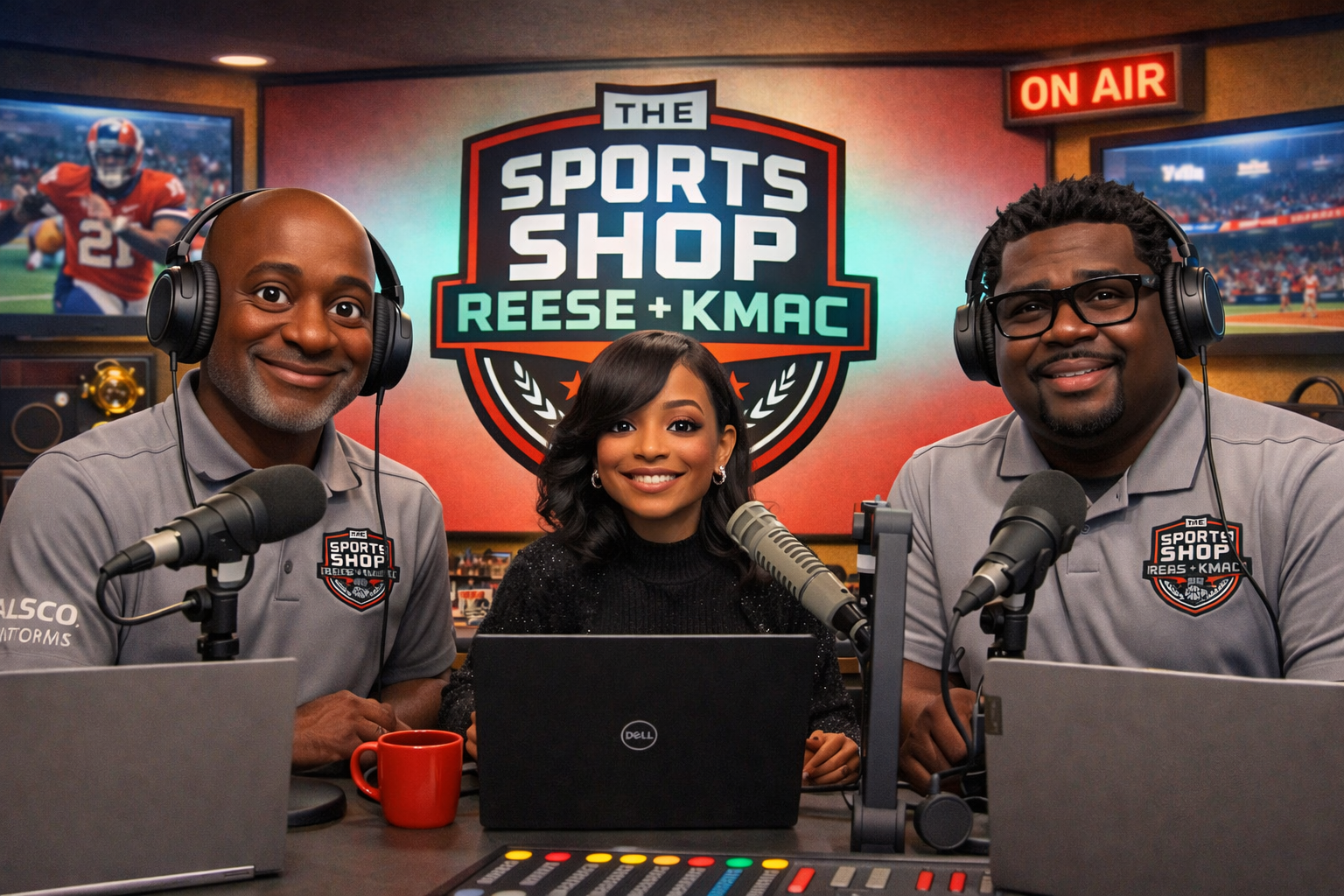
Image credit: Sports Rap Network
Roger Craig’s disclosure of vascular dementia transformed a celebratory Hall of Fame weekend into a necessary reminder of football’s enduring responsibility to the men who played it.
Hall of Fame weekend is designed to preserve football’s biggest accomplishments: championships, defining plays, leadership and the bonds that turn great players into legends. But Roger Craig’s moment of recognition carried a far more sobering dimension. The former San Francisco 49ers running back disclosed that he has been diagnosed with vascular dementia, and that his doctors believe concussions from his career may have played a role.
On Sports Shop, the reaction was not dismissive or overly dramatic. It was personal and concerned. The hosts celebrated Craig’s standing in the game while acknowledging the sadness of seeing a 66-year-old former star navigate such a diagnosis. Their conversation pointed to the part of football’s legacy that cannot be measured by rings, busts or applause: what happens to players and their families after the final whistle.
A Celebration Interrupted by a Human Reality
Craig’s place among the sport’s honored names naturally brought back memories of the 49ers teams that featured Joe Montana, Jerry Rice and a powerful running game. Sports Shop’s hosts spoke warmly about the emotion that comes with induction speeches, especially the way players credit coaches, family members, teammates and mentors who helped shape them. Those stories are a vital part of why Hall of Fame ceremonies resonate.
Yet Craig delivered his message by video despite being physically present, a detail that caught the hosts’ attention. His disclosure gave context to that choice. He described gradual changes that were initially easy to mistake for normal aging, then said his family noticed changes as well and helped lead him toward medical answers. That progression is precisely why the conversation reached beyond one football weekend.
Brain Health Cannot Be an Afterthought
The hosts connected Craig’s situation to broader concerns about repeated head impacts, concussions and serious diagnoses among former football players. They did not pretend to offer a medical verdict beyond what Craig shared, but they understood the urgency. When a player who once performed at an elite level says he is dealing with a neurodegenerative condition, the sport has to listen with more than sympathy.
Craig’s account also carries an important lesson for families. Health changes can arrive gradually and may be minimized, rationalized or overlooked. Sports Shop emphasized the value of paying attention and getting help when something does not feel right. That is not weakness, and it should not be treated as a private burden for an athlete or a spouse to carry alone. Early attention, informed care and family support can matter immensely.
Honor Must Include Care and Dignity
There is no contradiction in appreciating what football gave Craig while taking seriously what the game may have taken from him. That balance was central to the discussion. Football gave him a platform, memories and relationships that still matter. It also placed him in an era when the long-term understanding of brain health was not what it is now. A mature conversation makes room for both truths.
The caller to Sports Shop framed the issue in a way that should stay with fans: give people their flowers while they are able to smell them. Public recognition is meaningful, especially for players whose contributions may have been underappreciated for years. But the deeper obligation is practical. Former players need access to credible health information, evaluation, care and respect, while their loved ones need support as they face challenges that can reshape daily life.
What It Means
Craig’s message did not ask fans to erase the joy of football or deny the opportunities it created. It asked for an honest view of the whole experience. A sport capable of building careers, friendships and lifelong pride must also be willing to confront the conditions that may follow its players into retirement. That responsibility belongs to teams, leagues, medical professionals, media voices and fans alike.
Sports Shop was right to linger on the human weight beneath the Hall of Fame celebration. The most fitting response to a legend receiving his flowers is not simply another highlight reel. It is making sure players and families have information, compassion and meaningful support while they can still make the most of the life football helped them build.
Substantive update: