
Blog | Sports Rap Network
Cam Newton’s Hall of Fame Case Is Bigger Than the Ring Count
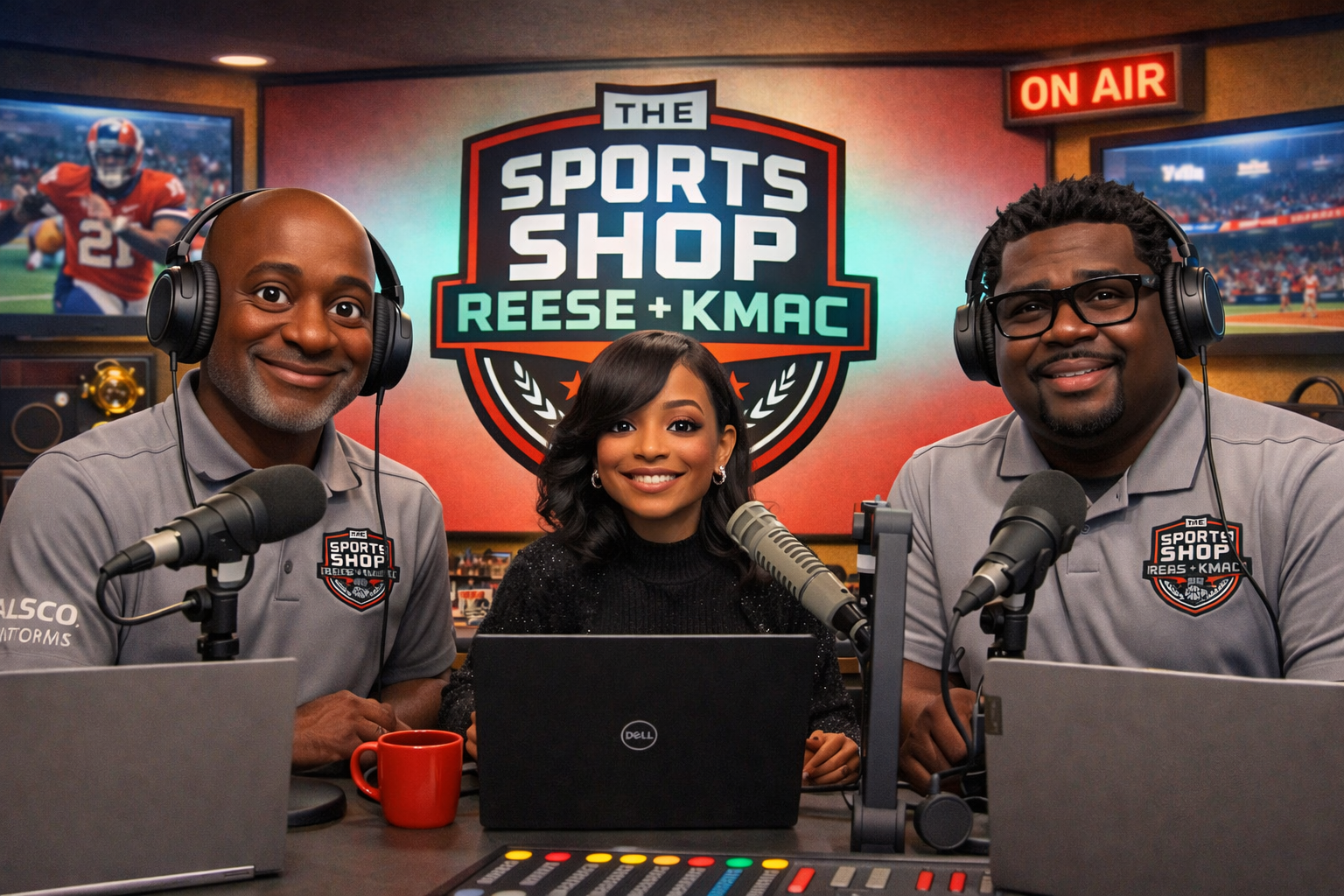
Image credit: Sports Rap Network
As Cam Newton approaches Hall of Fame eligibility, the Sports Shop argues that his singular impact on the Carolina Panthers and the quarterback position belongs in the first-ballot conversation—even in a crowded class.
The next NFL Hall of Fame class could force voters into a difficult quarterback conversation, with Cam Newton joining a field that includes Ben Roethlisberger while Eli Manning remains on the board. On Sports Shop, the debate was not whether Newton belongs in Canton eventually. The hosts saw that as clear. Their sharper question was why a player with Newton’s peak, influence and centrality to a franchise would not be viewed as a first-ballot selection.
That distinction matters because first-ballot recognition is often treated as a measure of unquestioned greatness. Newton’s supporters believe the football case is already there. Yet the hosts also recognized the uncomfortable possibility that Hall of Fame voting is not always a pure accounting of production, leadership and impact. Reputation, familiarity and personal presentation can shape who gets the benefit of the doubt.
The Panthers Were Built Around Newton’s Force
The Sports Shop’s argument starts with a simple point: Cam Newton was not merely a quarterback who happened to lead Carolina. He was the heartbeat of the Panthers. The offense, the identity and much of the belief surrounding the team flowed through him. When evaluating a Hall candidate, that kind of responsibility should carry weight. Newton was asked to be more than a distributor within a machine; he was often the machine’s power source.
That context became central when the show compared Newton with Roethlisberger. The hosts did not deny Roethlisberger’s accomplishments or the significance of championship success. Instead, they challenged listeners to consider the supporting structures around each player. A quarterback’s résumé is never built in isolation. Somebody must catch passes, block defenders, run the ball and build a system that allows talent to thrive. Newton’s supporters believe his ability to carry an offense and define a franchise deserves equal consideration.
A Crowded Ballot Will Test the Voters
The challenge is that Hall of Fame ballots do not exist in a vacuum. Roethlisberger, Manning, Adrian Peterson, Rob Gronkowski, Richard Sherman, Terrell Suggs and other prominent names create a crowded field. The show also noted that players such as Torrey Holt continue to wait, illustrating how quickly the line grows when new first-year candidates arrive. Greatness may be obvious in a broad sense, but ballot math can still create frustrating delays.
Manning’s case made the debate especially lively. His two Super Bowl victories and two Super Bowl MVP awards are meaningful achievements, and the hosts agreed those moments should support his candidacy. But they resisted the idea that those accomplishments automatically make his overall football case stronger than Newton’s. Championship moments matter, but they are not the entire career. The panel’s view was that calling both men quarterbacks does not make their individual impacts identical.
The First-Ballot Question Is Also About Perception
The Sports Shop repeatedly returned to the concern that Newton may be judged through a different lens. His fashion, confidence and larger-than-life public presence were part of what made him distinct. The hosts suggested that some Hall of Fame voters may prefer athletes who appear more conventional, more buttoned-up and less eccentric, even when the on-field record is undeniable. They framed that concern bluntly as part of the politics surrounding recognition in America.
That does not mean the show argued for a free pass based on personality or popularity. The hosts argued the opposite: Newton’s football résumé must be evaluated on football terms. They pointed to his elite peak, his role in lifting Carolina and his ability to reshape expectations for a quarterback who could threaten defenses in multiple ways. If voters make a first-ballot decision, the relevant question is whether Newton changed games and carried enormous responsibility. The show’s answer was yes.
Rings Cannot Be the Only Standard
The Super Bowl discussion exposed the limits of using one measure to settle every Hall debate. Manning’s championships and MVP honors rightly strengthen his case. Roethlisberger’s two titles also matter. But the hosts noted that a list of Super Bowl MVPs includes both all-time locks and players who are not automatic Hall of Famers. The award is a valuable piece of evidence, not a universal shortcut to Canton.
Newton’s inability to win a Super Bowl will remain part of his file, and the show did not pretend otherwise. Still, reducing his career to that absence ignores the breadth of what he represented to the Panthers. Football is the ultimate team sport, and quarterback legacies are shaped by roster construction, coaching belief and opportunity as much as individual resolve. Newton’s supporters see a player whose full body of work should withstand that narrow ring-count test.
What It Means
Cam Newton should not have to become a more comfortable version of himself in retrospect to receive a fair Hall of Fame evaluation. The question is whether voters can separate the noise around his style from the force of his football legacy. The Sports Shop’s answer was emphatic: they should, and his case deserves to begin at the highest level of the conversation.
The coming ballot may be crowded, and reasonable people can debate the order of deserving candidates. But Newton’s candidacy should not be reduced to a championship count or a comparison designed to make him fit somebody else’s mold. His legacy is the proof that a quarterback can be the system’s engine, the franchise’s voice and the standard-bearer for a region all at once.
Substantive update: