
Blog | Sports Rap Network
For Young Athletes, Identity Must Be Bigger Than the Game
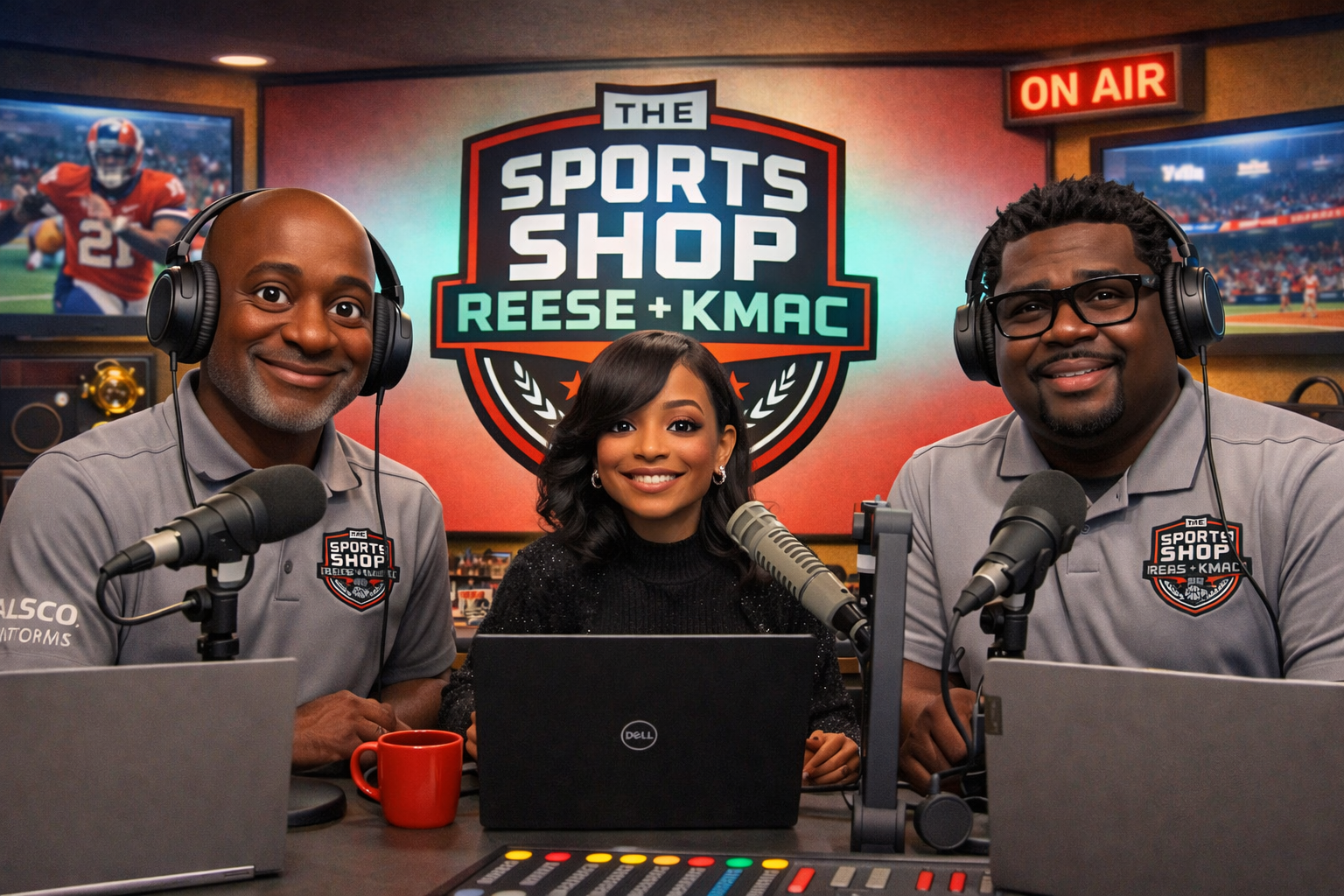
Image credit: Sports Rap Network
Therapist Rashida Fletcher tells Sports Shop that young athletes need purpose, relationships and support systems beyond the pressure to make it in sports.
The pressure on young athletes is no longer confined to the scoreboard. Recruiting attention, social media, NIL conversations and family hopes can turn a promising player into a brand before he has had a real chance to discover who he is beyond the uniform. When that happens, the sport that provides pride and structure can also become the only place a young person feels valuable.
That was the urgent thread in Sports Shop’s Wellness Wednesday discussion with Rashida Fletcher, a school counselor and therapist with A New You Counseling Services. Fletcher focused on the particular burden often carried by boys and young men, whose athletic ability can be treated as a pathway not only to personal success but to a family’s future. Her message was direct: sports can be a healthy part of identity, but it becomes dangerous when it is the entire identity.
The Cost of Making Sports the Only Answer
Fletcher explained that identity formation is especially important during the high school years, when young people are learning what they do well, what they enjoy and where they belong. Sports can be a meaningful answer to those questions. It teaches responsibility, pride and discipline. But when a player is not excelling, gets injured or simply realizes the sport may not be his future, the unanswered question becomes much heavier: what comes next?
In her work with students and adult men, Fletcher said she often hears versions of the same uncertainty: “I don't know what I'm good at. I don't know what I like.” That loss of direction can be connected to feelings of worthlessness, hopelessness and depression. She also noted the resistance many people have to using the word depression, even when they describe persistent sadness and disconnection. The stigma does not remove the problem; it only makes honest conversation harder.
Family Pressure Can Turn a Dream Into a Burden
The hosts asked Fletcher whether NIL, social media and the increasingly public nature of youth recruiting add to the problem. She said they do, particularly when a young athlete begins to see himself primarily as a brand. The dream of playing at the next level is not wrong, but it should not crowd out every other dream. Fletcher stressed that the possibility of a sports career is not a guarantee, which makes broad development essential rather than optional.
The pressure can become even more intense when a family views one child’s athletic success as its route out of difficult circumstances. Fletcher acknowledged that some young people carry the belief that they must make it so everybody else can make it. That is an enormous load for a teenager. Instead of being free to learn, fail, grow and explore, the athlete can feel responsible for rescuing the household. The result can limit a young person’s development as a human being, even while adults believe they are motivating him.
Life After Sports Requires a Different Playbook
Fletcher’s perspective is informed by both her clinical work and her family experience. Her father, retired Denver Broncos player Simon Fletcher, had a successful football career. Yet she described watching the challenge of adjusting to ordinary roles and routines after sports. The issue was not whether he was a good father or family member. It was the deeper work of rebuilding a daily identity after a life organized by competition, schedules and performance.
The Sports Shop hosts recognized that transition immediately. One host recalled a friend whose coaching career ended and who seriously asked what regular people do on a Saturday. The question may sound simple, but it reveals how thoroughly sports can structure a life from adolescence onward. Fletcher also shared an example of a former player who turned to golf after leaving his sport because it challenged his body and mind in a new way. The goal is not to replace one obsession with another; it is to find healthy purpose, routine and growth.
Connection Is a Mental-Health Resource
Fletcher repeatedly returned to connection as a protective force. Young people learn about themselves through peers, trusted adults and communities. Yet she sees many students and adult men who lack close friendships or anyone outside therapy with whom they can speak honestly. That isolation matters. Feeling part of something, she said, is part of keeping mental health healthy. As Fletcher put it, “You know how to connect with people. You will be OK.”
For parents and coaches, the practical assignment is clear: expose athletes to more than their primary sport. Encourage friendships outside the team, academic interests, artistic outlets and activities that invite curiosity without demanding elite performance. Schools can help, too. Fletcher credited school counselors for expanding beyond schedules and career plans to address student mental health directly. Those relationships can create a bridge to therapy and help families understand that seeking support is not proof that something is wrong with their child.
What It Means
The central lesson from Fletcher’s appearance is not that athletes should lower their ambitions. It is that ambition needs support. A young person can chase a scholarship, a roster spot or a professional career while also becoming a student, a friend, a creator, a family member and a person with interests that belong entirely to them. That fuller foundation does not weaken athletic drive; it makes the athlete more resilient when life changes.
Sports Shop’s Wellness Wednesday conversation put needed language around a challenge many families can recognize but may not know how to discuss. Parents, coaches and schools cannot control every injury, cut or disappointment. They can help ensure that no young athlete believes the end of a season is the end of his value. In a culture that celebrates the next big prospect, that may be one of the most important forms of leadership adults can provide.
Substantive update: