
Blog | Sports Rap Network
Deion Sanders’ Presence at Browns Practices Is Really a Debate About Support and Space
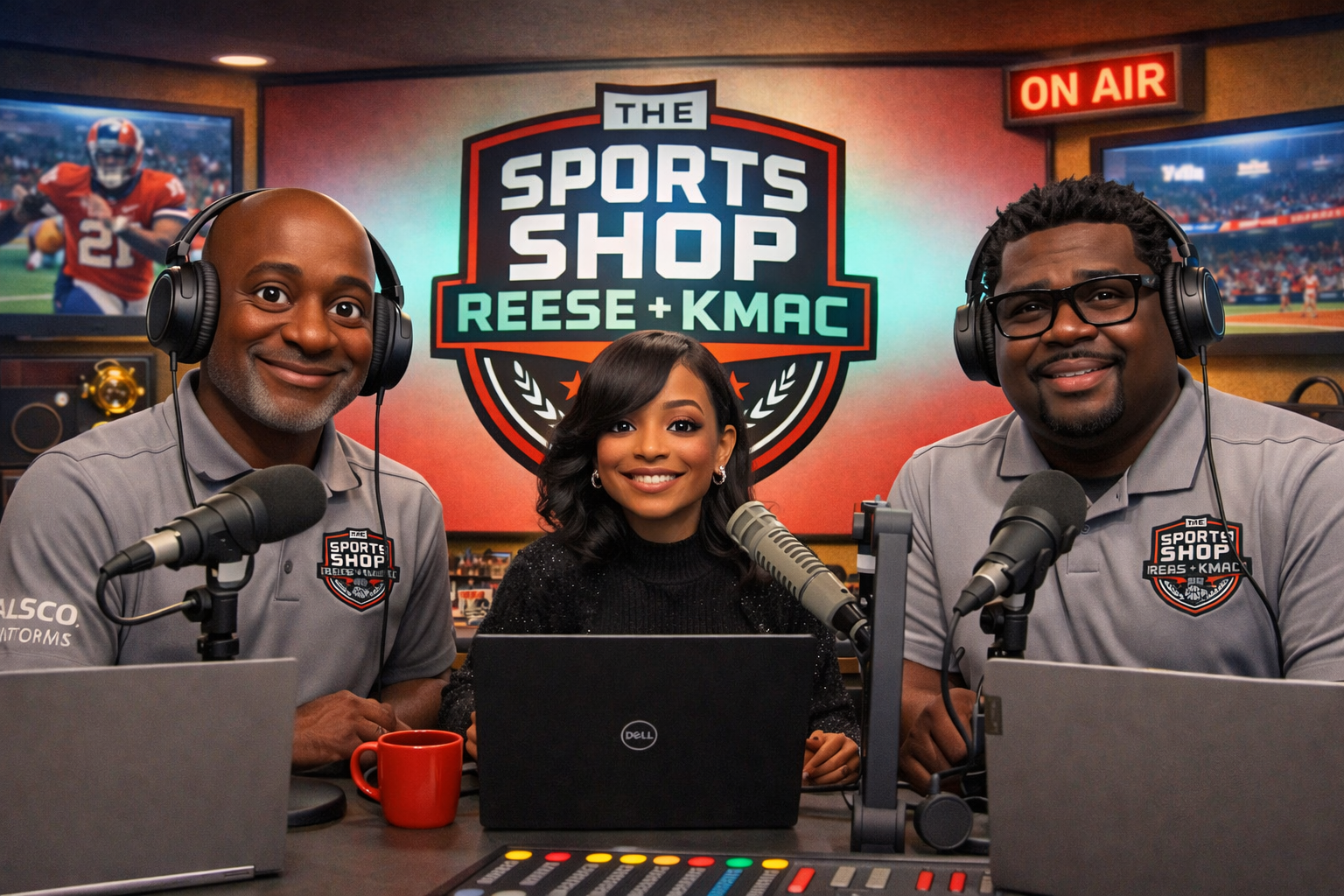
Image credit: Sports Rap Network
Sports Shop’s debate over Deion Sanders attending Cleveland Browns practices reveals a larger question about fatherhood, influence and Shedeur Sanders’ need to build his own NFL identity.
The discussion around Deion Sanders attending Cleveland Browns practices has moved quickly from football observation to cultural judgment. For some, the sight of a famous father near an NFL quarterback competition creates unnecessary pressure around Shedeur Sanders. For others, it is simply a parent showing support for his son, something that should not become a national controversy because the parent happens to be Prime.
Sports Shop treated the issue with more nuance than the predictable argument over whether Deion is too visible. The show’s conversation recognized that Shedeur needs room to establish himself, while also challenging the assumption that outsiders understand the Sanders family dynamic from a practice-field visit. At its core, the question is not whether support is good. It is how a powerful parent can offer it without allowing the parent’s celebrity to become the story.
The concern is about Shedeur’s independent path
A caller who described himself as a Deion Sanders fan made the clearest case for more distance. His point was not that Deion lacks the right to visit or support his son. Rather, he argued that Shedeur could benefit from being allowed to navigate this stage with less of his father’s public presence around him. In a league where every rep, roster decision and camera angle can feed a narrative, that concern is understandable.
The caller framed it through Shedeur’s unusual football journey. Deion had been deeply involved in coaching his son from youth football through college, and Shedeur’s first head coach outside of his father was in the NFL. That history is a testament to a father’s investment, but it also makes this professional transition different. The caller’s wish was straightforward: let the young quarterback show what he can do on his own merit, even while everyone understands the advantages and attention attached to his last name.
Public perception follows Prime everywhere
Sports Shop also acknowledged the reality that Deion Sanders is a polarizing figure. The hosts noted that some people love him and others do not, making almost any appearance subject to outsized interpretation. A commentator’s criticism that Deion should get out of Shedeur’s way reflects a familiar line of attack, but the show pushed back on the idea that the public can easily separate a routine family visit from an attempt to influence football decisions.
That distinction matters because fame changes the optics, not necessarily the intent. The hosts raised the possibility that a parent’s presence can help or hurt, especially because coaches are human beings. Yet the conversation did not produce evidence that Deion was directing Browns coaches or demanding first-team work. It raised a better question: are critics reacting to an actual problem, or to the fact that Deion’s visibility makes ordinary support impossible to view as ordinary?
Other families offer perspective, not a perfect comparison
The show compared the reaction to Deion with the generally softer treatment of famous football families such as the Mannings. The comparison was not exact—Peyton and Eli Manning are Arch Manning’s uncles, not his father—but it exposed a valid double standard in public discourse. Well-known relatives routinely visit athletes, lend advice and occupy space around the game. Their access is often treated as a natural extension of family rather than a threat to a player’s autonomy.
One caller offered an even more personal reminder after recalling meeting Yogi Berra through Berra’s granddaughter, a softball player at UNC. The caller’s conclusion was blunt: people should get out of other families’ business. He also said that someone familiar with Colorado’s staff had described the internal dynamic between Deion, Shedeur and the players as very different from what audiences assume from the outside. That does not erase legitimate questions, but it should encourage humility from observers who do not live inside the relationship.
What It Means
The most reasonable position is not that Deion Sanders must disappear, nor that every concern about his presence is automatically hateful. A father can be present, proud and protective while still allowing his son to meet coaches, teammates and adversity on his own terms. That balance is personal, and outsiders have limited access to the conversations that determine it.
Sports Shop’s debate is valuable because it asks listeners to look past the noise. Shedeur Sanders deserves the opportunity to write his own professional chapter. Deion Sanders deserves the same humanity granted to other family members who show up for the people they love. The real test will not be who attends practice; it will be whether the young quarterback gets the room, responsibility and chance to earn whatever comes next.
Substantive update: