
Blog | Sports Rap Network
Blood Donation Is a Community Call, Not Just a Personal Choice
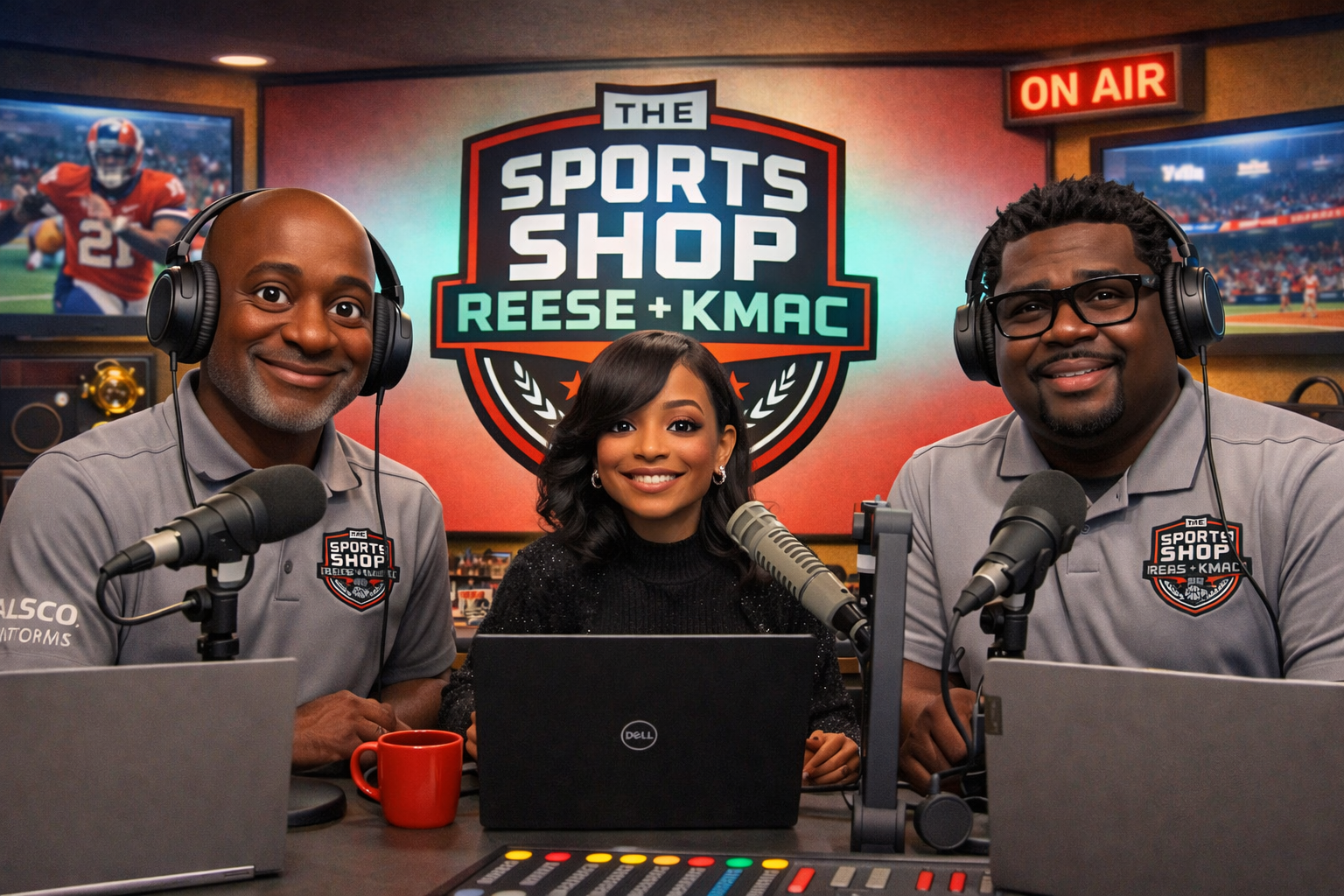
Image credit: Sports Rap Network
A Sports Shop broadcast from the American Red Cross put the focus on a severe blood shortage, the importance of O blood donors and the community responsibility to support sickle cell patients.
The most important conversation on Sports Shop’s live visit to the American Red Cross in Raleigh was not about a scoreboard, a preseason poll or a recruiting class. It was about supply, access and the lives that depend on ordinary people deciding to give blood. With the Red Cross describing a severe national shortage, the show used its platform to turn an on-site blood drive into a broader call for community action.
That message carries particular weight in communities where sickle cell disease has a deep impact. Alan Mason, the Red Cross emerging markets manager, explained that blood donations are essential for patients who need transfusions, while donor matches from people of similar backgrounds can be especially important. The hosts’ message was simple: donating is a practical way to become part of the solution.
A Shortage That Reaches Far Beyond One Blood Drive
Mason said the national blood supply fell about 25 percent during June, a decline tied to a mix of summer realities. Extreme heat can keep people home. Poor air quality in northern areas can do the same. Vacations disrupt routines, while schools closing for the summer removes a major source of regularly scheduled blood drives. Those factors can sound ordinary on their own, but together they create a serious gap for hospitals and patients.
The need is constant even when donation habits are seasonal. Mason told the show that someone in the United States needs blood every two seconds, and he emphasized that O-positive and O-negative supplies were particularly low. O-positive is the most transfused type, while O-negative can be received by anyone. In an emergency, that availability is not an abstract number; it can determine how quickly care can begin.
Why Diverse Donors Matter in the Sickle Cell Fight
The most consequential part of the discussion centered on sickle cell disease. Mason said roughly 100,000 people across the country live with the condition and that more than 95 percent are African American. Patients can require repeated transfusions, and the Red Cross has found that the best matches often come from donors with the same background and ethnicity. That makes donor participation in Black communities an urgent health issue, not simply a charitable gesture.
The conversation also challenged the notion that the responsibility belongs to someone else. Mason pointed out that Black and Latino populations have higher percentages of O-positive blood than other ethnicities, adding another reason outreach must be intentional. For a community already familiar with the burdens of sickle cell disease on children, adults and families, regular blood donation can offer direct support where treatment needs are ongoing.
Community Institutions Can Turn Awareness Into Action
Sports Shop’s broadcast showed how local media can do more than report a need. The hosts encouraged listeners to make blood donation a family, club, fraternity or team commitment. That approach matters because Mason said the leading reason people do not donate is that they have not been asked. A clear invitation, repeated through trusted community voices, can remove the distance between good intentions and an appointment.
Mason also highlighted an HBCU ambassador program operating across more than 40 campuses. Students are helping educate their peers and host blood drives as part of the Red Cross sickle cell initiative. Churches and organizations including the Divine Nine, the NAACP, Jack and Jill and 100 Black Men are also part of that work. These partnerships recognize that lasting health action is built through institutions that already have trust, relationships and a tradition of service.
The Gift of Life Is an Accessible Form of Leadership
Blood donation can feel intimidating to people who have never done it, and the show made room for that hesitation. Mason addressed misconceptions by noting that donors may also receive health-related screenings, including single-cell screening and, at certain times, A1C testing. More importantly, he put the commitment in plain terms: donors are not being asked to make a dramatic sacrifice, but to give an hour and roll up a sleeve.
His framing was powerful because it connected service to everyday responsibility. “Knock it off your bucket list,” Mason said, recasting the goal from merely donating blood to helping save a life. The Red Cross noted that one donor can potentially help up to three people. The Sports Shop drive had more than 30 appointments, which meant a single day of participation could potentially touch about 90 lives. That is measurable impact created by a community choosing to show up.
What It Means
The call from Sports Shop and the Red Cross is direct: put blood donation on the calendar and make it an act of community leadership. A person does not need to perform some dramatic rescue to make a meaningful difference. Taking roughly an hour to donate can become the intervention that helps a patient through trauma care, cancer treatment or the relentless complications of sickle cell disease.
The need also should not be carried by a small group of repeat donors alone. Families, churches, HBCU networks, fraternities, civic groups and teams can turn a personal decision into a culture of service. As the show’s hosts framed it, giving blood is the gift of life. In a shortage, that gift cannot wait for somebody else to give it.
Substantive update: