
Blog | Sports Rap Network
Sports Shop’s Red Cross Broadcast Turns a Blood Drive Into a Community Call to Action
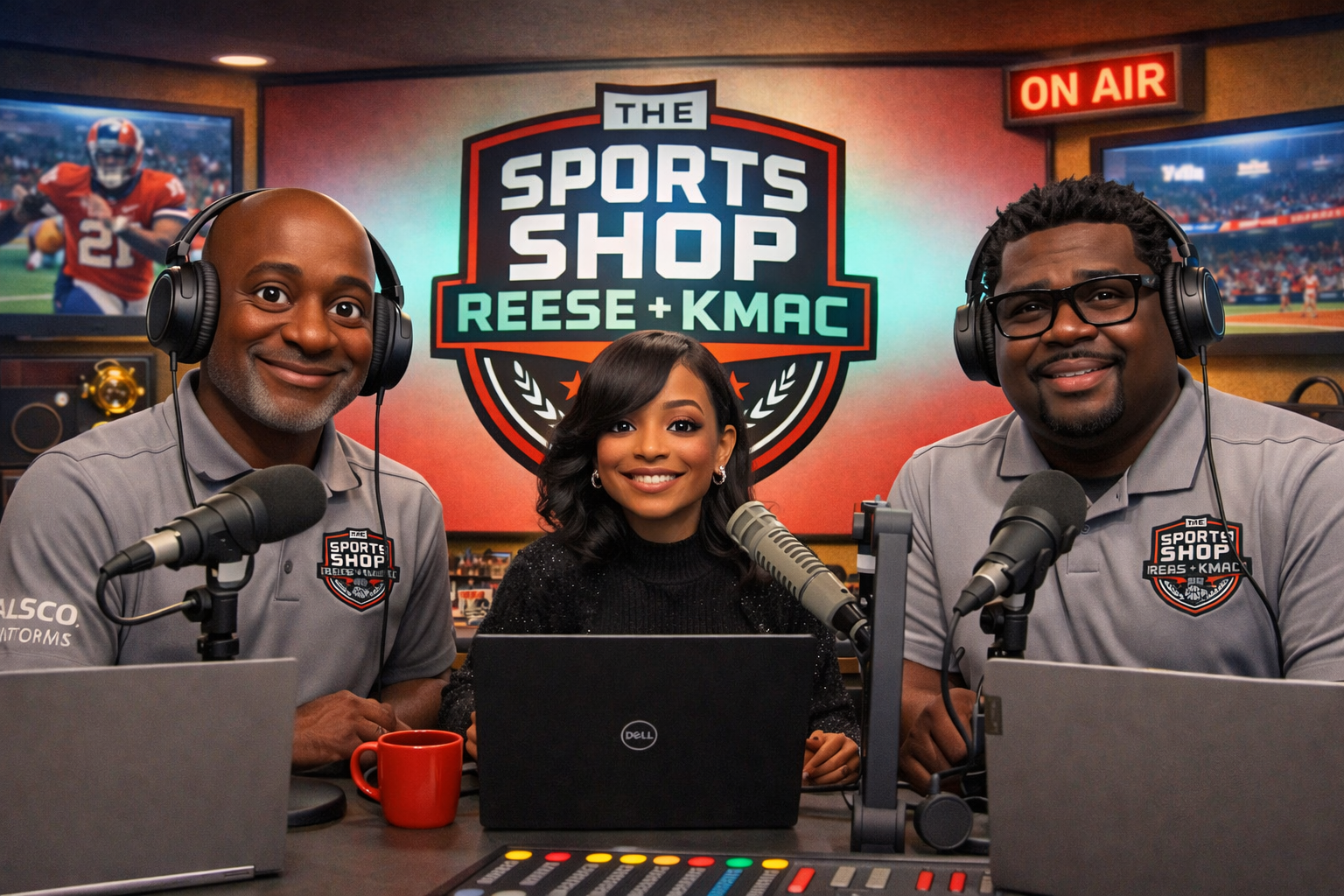
Image credit: Sports Rap Network
A live Sports Shop visit to the American Red Cross put a severe blood shortage, sickle cell care and the power of community donors at the center of Impact Friday.
The most important conversation on Sports Shop’s Impact Friday did not begin with a score, a contract dispute or a preseason prediction. Broadcasting live from the American Red Cross in Raleigh, the hosts used their platform to make a direct appeal: blood donation is a practical act of service that can reach people in trauma, cancer treatment and ongoing sickle cell care.
The message carried extra urgency because the Red Cross is on a national appeal amid a severe shortage. Alan Mason, the organization’s Emerging Markets Manager, told the show that the blood supply fell about 25% during June, with summer travel, extreme weather, poor air quality in some regions and the end of school-based drives all contributing to fewer donations. The result is not abstract. It affects whether hospitals have blood ready when patients need it.
A Shortage That Reaches Every Kind of Patient
Mason explained that someone in the United States needs blood every two seconds and that one donor can help save up to three lives. That means a community drive is not simply a nice event on a calendar. It is part of the chain that supports patients after serious accidents, during cancer treatment and through other medical emergencies where time and supply both matter.
The need for O blood was a major concern during the conversation. Mason said O positive is the most transfused blood type, while O negative can be received by anyone. He reported that the national supply of O blood had reached only a one-day stockpile, a warning that puts real pressure on donors to step forward before an emergency exposes the gap.
Why Sickle Cell Makes This Call Personal
The discussion became especially pointed around sickle cell disease. Mason said about 100,000 people across the country live with the condition and that more than 95% are African American. Patients can need repeated transfusions, making a reliable donor base essential rather than optional. The hosts recognized that blood donation remains the most accessible way to help reduce the pain and complications these patients face.
Mason also emphasized that the best blood matches for many sickle cell patients often come from donors of the same background and ethnicity. That makes outreach to African American communities a matter of health equity and community responsibility, not symbolism. He added that Latino and African American populations have higher percentages of O-positive blood, further sharpening the importance of participation from both communities.
Community Networks Can Build the Supply
Sports Shop framed donation as something people should do together, not only as individuals acting alone. The hosts encouraged listeners to make it a family, club, fraternity, team or group effort. That approach matters because Mason identified the leading reason people do not donate: they simply have not been asked. A trusted invitation from a friend, pastor, teammate or colleague can be the difference between good intentions and an appointment kept.
The Red Cross is already leaning into institutions that have long carried community influence. Mason cited partnerships with HBCUs, Divine Nine organizations, the NAACP, Jack and Jill, 100 Black Men and churches. HBCU ambassadors on more than 40 campuses are helping educate students and host drives through the organization’s Sickle Cell Initiative. The model is familiar to anyone who understands team building: trusted messengers create participation, and participation creates capacity.
Service Does Not Have to Be Dramatic
Mason’s most resonant point was that saving a life does not always require a dramatic rescue. People may imagine heroism as pulling someone from water, lifting a car or confronting danger in the street. But he described another route: take about an hour, roll up a sleeve and donate blood. It is a modest personal sacrifice with the potential to change the outcome for several patients.
The Red Cross also works to address uncertainty that can keep first-time donors away. Mason noted that donation includes a health screening and that the organization conducts certain screenings, including sickle cell screening and periodic A1C testing. More important, he said, donors should understand that they are joining a system built to help others while gaining a clearer picture of their own health. That combination can remove hesitation without diminishing the central mission: saving lives.
What It Means
The Sports Shop broadcast made the assignment plain: do not wait for a crisis close to home before deciding that blood donation matters. The need is already present in emergency rooms, cancer treatments and the regular care required by sickle cell patients. For many people, giving one hour is the most immediate way to help a stranger survive a hard day.
That is why the call should travel through the networks that already shape community life. Families, churches, fraternities, campus groups, workplaces and teams can turn a simple request into a habit of service. As Mason put it, “Knock it off your bucket list.” The gift is not merely the donation itself; it is the decision to become part of the supply someone else may urgently need.
Substantive update: