
Blog | Sports Rap Network
Sports Shop’s Red Cross Message: Giving Blood Is Community Leadership
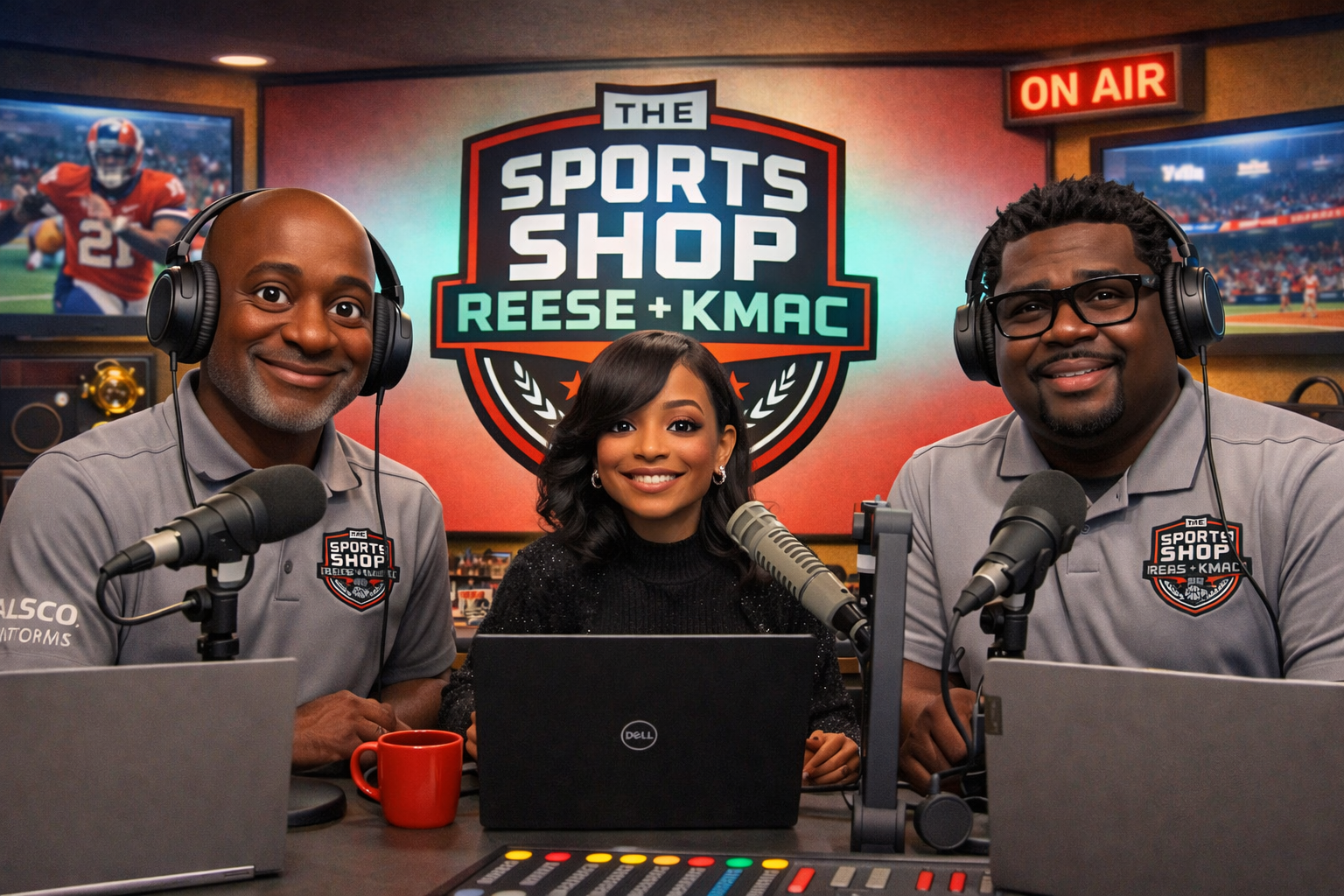
Image credit: Sports Rap Network
A Sports Shop broadcast from the American Red Cross put the national blood shortage, sickle cell care and the power of local community action at the center of the conversation.
Sports conversation often centers on performance, preparation and showing up when the stakes are highest. During Sports Shop’s live broadcast from the American Red Cross, the focus shifted from the scoreboard to a more immediate call: communities must help replenish a blood supply strained by a national shortage.
The show’s partnership with the Red Cross framed blood donation as more than a charitable act. It is a direct way to support neighbors facing trauma, cancer treatment and sickle cell disease. The hosts encouraged listeners to make an appointment and turn donation into a family, club, team, fraternity or faith-community commitment.
A summer shortage with real consequences
American Red Cross Emerging Markets Manager Alan Mason told Sports Shop that the nation’s blood supply had dropped by about 25 percent during June. He pointed to pressures that can quietly reduce donation turnout: extreme heat in some areas, poor air quality connected to Canadian fires in northern regions, a foodborne illness, summer travel and the end of the school year.
Those factors matter because blood needs do not take a vacation. Mason said someone in the United States needs blood every two seconds. A person injured in a highway accident may require a transfusion before reaching a hospital, while other patients depend on a reliable supply through ongoing treatment. When donations fall, the system has less room to respond.
One hour can reach beyond one person
The Red Cross message was intentionally practical. Mason said one donor can help save up to three lives, making a single appointment consequential well beyond the donor chair. He urged people to see donation as a realistic route to helping save someone’s life, without needing to perform the kind of dramatic rescue people usually associate with heroism.
That framing connected with the show’s larger community-minded tone. Sports Shop stressed that listeners should not treat the drive as a one-person errand. Families can go together. Teams, service clubs, fraternities and other organized groups can build participation into their culture. A group decision to donate can create an impact that reaches far beyond the people in the room.
Sickle cell care makes donor diversity urgent
The conversation became especially pointed around sickle cell disease. Mason said approximately 100,000 people across the country live with the condition and that more than 95 percent are African American. For patients receiving transfusions, the best matches can come from donors with the same background and ethnicity, making African American participation a vital part of the blood-donation effort.
Mason also highlighted the need for O blood. O-positive is the most transfused blood type, while O-negative can be received by anyone. He said the national supply had reached just one day of O blood at one point. African American and Latino communities have a higher percentage of O-positive blood than other ethnicities, reinforcing why outreach must be specific, respectful and sustained rather than generic.
HBCUs and trusted institutions can lead
Mason, an HBCU graduate, noted that more than 40 HBCU campuses participate in the Red Cross HBCU Ambassadors program. Students help educate their campuses and host blood drives through the organization’s sickle cell initiative. That work gives HBCUs another opportunity to lead: not only through athletics, academics and culture, but through life-saving health engagement.
The Red Cross is also working with organizations including the Divine Nine, the NAACP, Jack and Jill, 100 Black Men and churches. Those partnerships recognize an important truth: trust and repeated communication move people to action. Mason said the leading reason people do not donate is simply that they have not been asked. Trusted institutions can close that gap by asking clearly and often.
What It Means
The strongest message from the Sports Shop broadcast was not complicated: do not wait for a crisis close to home before becoming a donor. Mason’s challenge to put helping save a life on the bucket list gives the moment its proper scale. The action does not require heroics, special status or a grand gesture. It requires making time, raising a sleeve and choosing to participate.
For communities that regularly talk about legacy, responsibility and showing up for one another, blood donation is a tangible test of those values. The current shortage turns an individual decision into a shared obligation. Whether the response comes through a family, a church, an HBCU, a fraternity, a workplace or a group of friends, the need is clear: give if you can, and help make the gift of life available when somebody else needs it most.
Substantive update: