
Blog | Sports Rap Network
Baker Mayfield Wants Franchise Respect. Tampa Bay Is Counting the Risk.
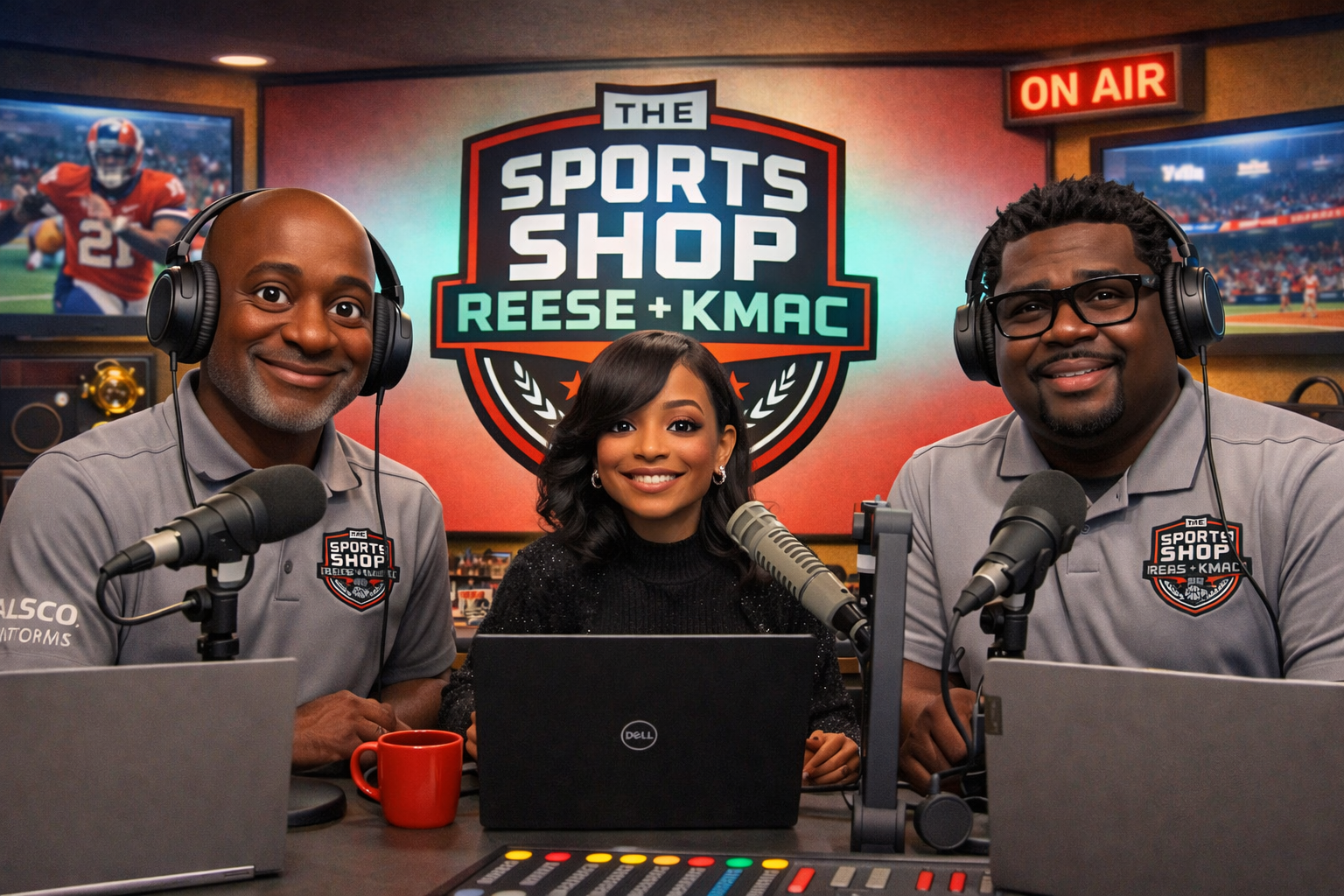
Image credit: Sports Rap Network
Baker Mayfield wants the security and salary of a franchise quarterback. Sports Shop hosts say his frustration is understandable, but Tampa Bay has sound reasons to resist a long-term leap.
Baker Mayfield has put a clear line around his contract negotiations: he wanted a longer commitment, he did not get one, and he is disappointed by what that says about how Tampa Bay values him. The quarterback said he was not offered anything beyond two years and believes he has earned the standing of a franchise quarterback. With training camp underway, he says the conversation is finished until after the season.
On Sports Shop, the reaction was familiar and unsentimental. The hosts recognized why Mayfield would want to maximize what could be his last major contract, particularly after calling recent seasons among the best of his career. But they also argued that a team can appreciate a quarterback without tying its future to him for four or five years. The dispute is not simply about respect; it is about risk, leverage and the price of certainty in the NFL.
Mayfield’s case begins with security, not just salary
Mayfield’s strongest complaint was not limited to the annual number. He focused on term length. In his view, being told publicly that he is the franchise quarterback should be followed by an offer that reflects a long-term belief in him. A two-year ceiling can feel like a vote of conditional confidence: the club wants the player, but only wants to commit so far.
The Sports Shop hosts did not dismiss that feeling. They noted that Mayfield is trying to make a deal at a moment when a player must think beyond the next season. A major contract is not merely a scoreboard for public debate. It can be the foundation for a family, a career transition and a lasting financial legacy. From that angle, pressing for a bigger commitment is not selfish; it is responsible business.
The market does not automatically settle the argument
Mayfield also sees himself in the compensation neighborhood occupied by quarterbacks such as Jordan Love, Trevor Lawrence and Brock Purdy, a range the hosts described as $50 million and above. That comparison reveals the heart of his position: if the league treats the top quarterback tier as premium real estate, he believes he belongs in that neighborhood.
Sports Shop pushed back on the automatic leap from solid quarterback to top-of-market quarterback. The hosts’ view was direct: a player has to know where he fits, and the team decides whether that fit merits the longest and richest commitment. They mentioned Kirk Cousins as an unusual example of a quarterback repeatedly landing major deals, but they did not treat an outlier as a rule every team should follow. Market comparisons matter, yet a club’s own confidence in the player matters more.
Why Tampa Bay can be careful without being disrespectful
The hosts repeatedly returned to the organizational side of the negotiation. Tampa Bay may be willing to pay Mayfield more on a shorter arrangement, perhaps finding a way to improve the next two years without making a much longer promise. That kind of structure recognizes his value while protecting the franchise from being locked into an outcome it cannot fully predict.
That caution is not an insult. Sports Shop emphasized that the league offers enough examples of long quarterback contracts going badly. A team has to weigh performance, age and the reality that a deal can become harder to carry if circumstances change. The hosts’ core point was simple: Tampa Bay should not have to tie its wagon to Mayfield for four or five years just because he wants the certainty that comes with it.
The public Mayfield has returned
The show also heard a familiar edge in Mayfield’s comments. After quieter stretches in recent years, the hosts saw his public dissatisfaction as the return of the outspoken player who has long generated strong sound bites. They joked that the old Baker is back, but the observation carried a serious point: his words ensure that the contract question will remain part of the conversation even after he says negotiations are paused.
Mayfield tried to close that door by telling his teammates that the deadline is real and that he is focused on the group. “Deadlines, deadlines,” the hosts said, interpreting that stance as no further contract communication until the season ends. That approach can protect the locker room if he truly turns the attention to football. It can also raise the stakes, because every performance will now be read as evidence for or against the value he says he deserves.
What It Means
Mayfield has made his position plain: he believes his performance and the public faith expressed by the organization should lead to a stronger commitment. There is nothing wrong with a player pressing his case, especially when he sees a narrow window to secure the kind of money that can shape his family’s future long after the final snap. His decision to stop the talks at training camp also gives him a clean message for the locker room: “It’s all ball.”
Tampa Bay, meanwhile, does not have to confuse appreciation with obligation. The franchise can value Mayfield, pay him well and still refuse to write a long-term deal it may regret. That is the tension at the center of this standoff. Mayfield now has the season he requested to make his case louder, while the team has the season it needs to decide whether its quarterback is truly worth building around for years.
Substantive update: