
Blog | Sports Rap Network
UNC’s Lombardi Investigation Has Become a Bigger Test of Tar Heels Leadership
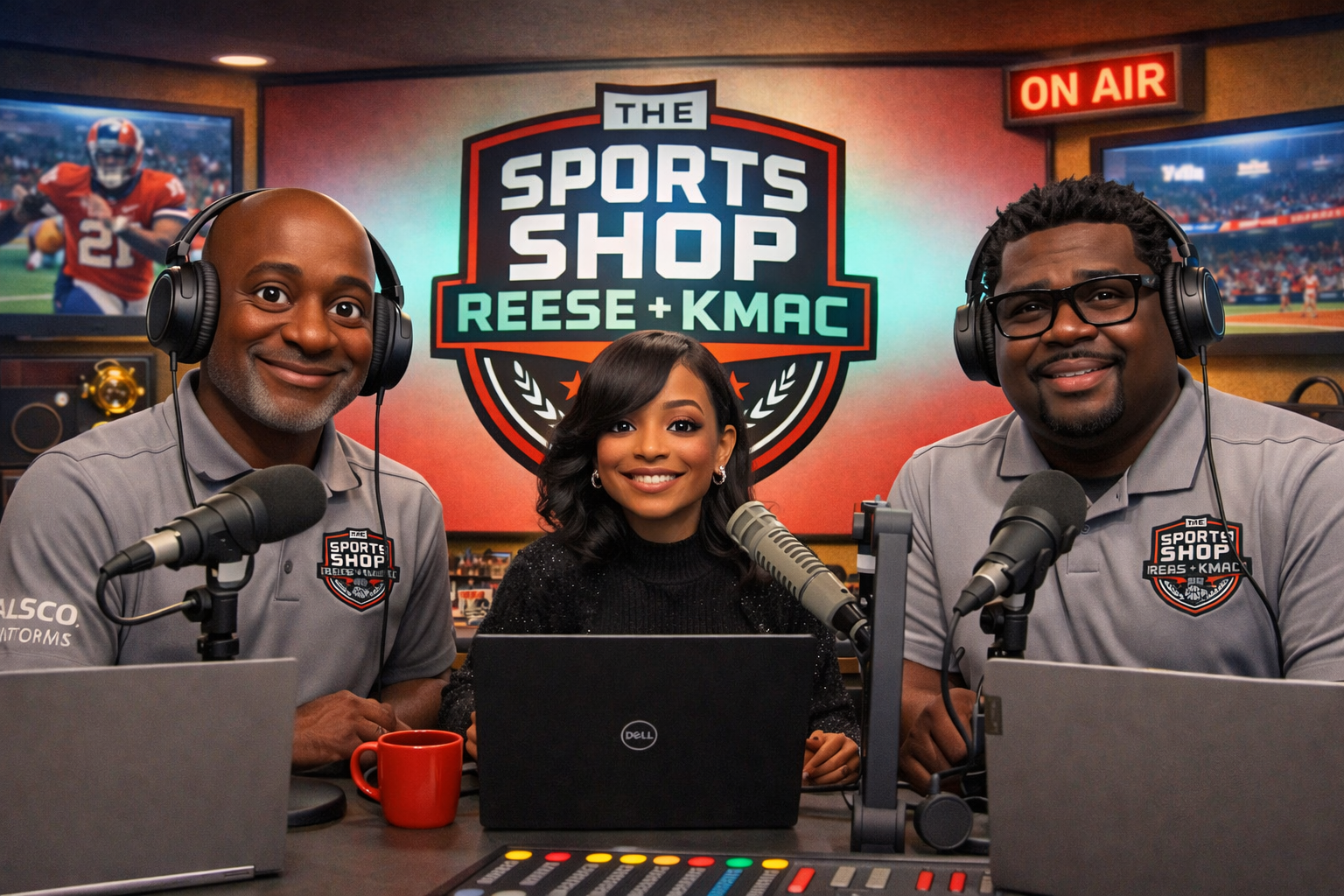
Image credit: Sports Rap Network
Sports Shop hosts say the university’s investigation involving football GM Michael Lombardi has become a wider test of communication, accountability and confidence in Bill Belichick’s new Tar Heels operation.
The uncertainty surrounding North Carolina football general manager Michael Lombardi has quickly become about more than one personnel matter. UNC-Chapel Hill said it is investigating concerns that led to personnel actions involving Lombardi and would not comment on the nature of allegations because they are confidential. On Sports Shop, that limited statement prompted an immediate question: how does a major public university protect a process without allowing the absence of information to overwhelm its message?
The hosts did not claim to know what prompted Lombardi’s administrative leave, and they repeatedly acknowledged that the facts have not been disclosed. Their concern was the effect of the unknown. With legal counsel involved, a university investigation underway and media attention building around Bill Belichick’s football program, they argued that speculation is inevitable—and that UNC is now facing a test of institutional credibility as much as a football problem.
A personnel investigation, but a public confidence issue
UNC’s statement was narrow: the university said its Office of University Counsel was investigating the matter and would not discuss allegations or personnel information. That is a familiar posture in an active employment matter. The hosts understood that there are legal and privacy limits, especially when other parties could be involved. Still, they believed the public posture left too much empty space around an issue tied to one of the most visible programs in the state.
Their frustration was not simply that the university had declined to supply details. It was that the development appeared to emerge after Lombardi had already been suspended, leaving listeners to wonder what had happened and when UNC knew enough to act. One host argued, “You can't just say you got, I'm telling you.” The underlying point was direct: a careful statement can be necessary, but a confusing sequence can make people believe the institution is reacting rather than leading.
The Belichick era is carrying the weight
The Lombardi situation lands at an especially sensitive moment because North Carolina has attached major attention to the arrival of Belichick. Sports Shop’s hosts framed Lombardi as an important figure in that operation and questioned what the investigation could mean for a program still trying to establish itself. They expected Belichick to avoid discussing a confidential personnel issue publicly, but noted that general coaching answers would not erase the larger questions around the program.
The conversation also reflected anxiety about football readiness. The hosts pointed to their view that UNC has not yet produced clear proof of a marquee roster, including the absence of a Tar Heels player from the ACC preseason recognition they discussed. They questioned the quarterback outlook and the program’s overall direction. Those are opinions, not a verdict on a coming season, but they explain why an off-field investigation feels heavier: the football operation has little established stability to absorb another distraction.
Past criticism shapes the current reaction
The sharpest comments from the show were rooted in memory. Hosts connected the current episode to what they described as a pattern of UNC controversies and questionable decisions, including criticism of the university’s treatment of men’s basketball coach Hubert Davis and the process surrounding Belichick’s hiring. Whether every event belongs in the same category is debatable, but the show’s central argument was that public trust is cumulative. Institutions do not receive a fresh slate every time a new problem surfaces.
“At some point it becomes a narrative and a pattern of how you operate and how you do things,” one host said. That sentiment captures why this story has grown beyond the formal investigation. A public university is judged not only by whether it eventually follows procedure, but also by whether students, alumni, fans and employees believe its leaders act consistently when pressure arrives. In the hosts’ view, UNC has repeatedly made it easier for critics to doubt that consistency.
Confidentiality cannot become a substitute for leadership
The show did recognize an important counterpoint: private institutions often disclose less, while public universities can be subject to different expectations and disclosure obligations. No school is immune from personnel problems, one host noted. The distinction is not that every issue must become public entertainment. The distinction is whether leaders can speak plainly about process, responsibility and next steps without compromising an investigation.
That balance matters for a program that represents more than a coaching staff. College football connects students, families, alumni, donors and a wider state community to the university’s reputation. The hosts wanted UNC to be more deliberate about that responsibility. Their argument was not that officials should prejudge Lombardi or disclose unverified claims. It was that the university should communicate with enough discipline that the public does not fill every silence with its own conclusion.
What It Means
UNC does not need to litigate a confidential personnel matter in public. But the Sports Shop conversation makes clear that it does need to understand the cost of a vacuum. When details are scarce, every previous controversy, every leadership decision and every sign of football uncertainty gets pulled into the same conversation.
For the Tar Heels, the next statement matters less as a public-relations victory than as evidence of steadiness. The program has enormous attention and an unproven on-field identity. Its leaders now have to show they can handle pressure with the discipline, accountability and clarity that they expect from everyone representing North Carolina.
Substantive update: