
Blog | Sports Rap Network
UNC Football Opens Practice Facing a Bigger Test Than the Field
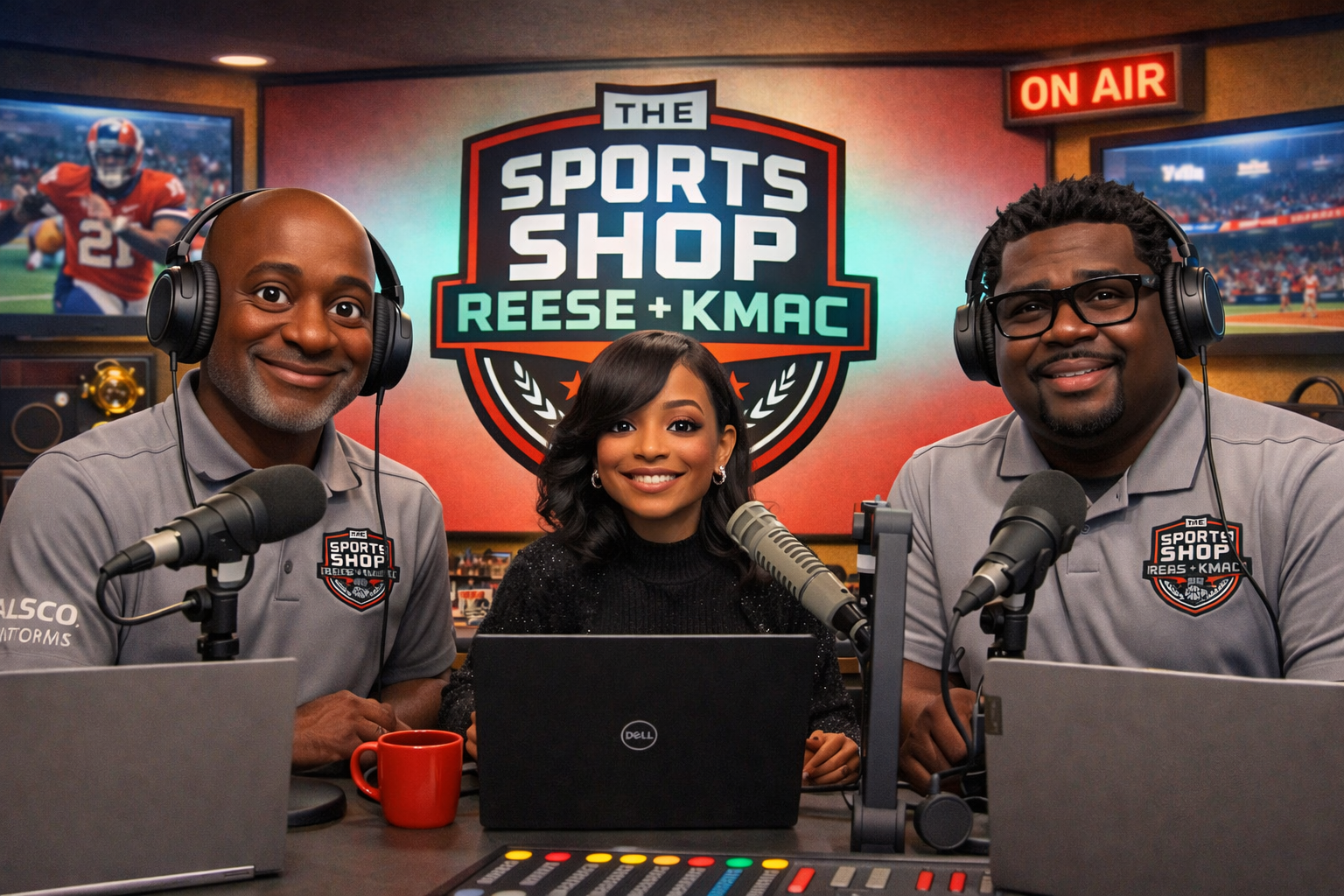
Image credit: Sports Rap Network
Questions surrounding Mike Lombardi have placed vetting, accountability and trust at the center of UNC football’s first practice under Bill Belichick.
UNC football is opening practice with a familiar football question in the background: can a new staff turn attention and talent into victories? But on Sports Shop, the more urgent issue was not a depth chart or a preseason prediction. It was the uncertainty surrounding Mike Lombardi and what it says about the leadership structure Bill Belichick brought to Chapel Hill.
The conversation did not pretend to know the outcome of any review or the details that have not been publicly established. Instead, the hosts and guest Deborah Stroman focused on the institutional stakes. When a situation is described as being on the human-resources side and serious enough to warrant investigation, a university has to treat it as more than a sports-radio distraction.
The Questions Arrive at the Worst Possible Moment
Practice is normally where a program gets to redirect the conversation. Coaches install systems, players compete for roles and fans begin imagining what a new season might become. UNC, however, begins this phase with a major question hovering over Lombardi, a key Belichick associate whose place in the operation became a central concern for the show.
That timing raises the pressure on Belichick. The hosts expected little from an opening press conference beyond brief remarks, but they also recognized why the Lombardi question would be unavoidable. A program cannot simply outpace concern with a clean practice report when the concern touches leadership, personnel and the credibility of the people in charge.
Vetting Cannot Be an Afterthought
Stroman framed the issue as a difficult balancing act for people connected to UNC: respect the school that has given them opportunities, while still speaking honestly as media members. Her broader concern was whether Carolina gave sufficient scrutiny to a staff member who appeared closely tied to Belichick, rather than treating that relationship as its own credential.
That is the leadership lesson underneath the football conversation. Successful organizations value trusted relationships, but trust between colleagues does not remove an institution’s obligation to conduct its own review. The hosts noted that Belichick and Lombardi have worked together for a long time, dating back to their Cleveland Browns days. Familiarity can make a hiring feel natural; it can also make hard questions easier to postpone.
Stroman’s view was that behavior serious enough to surface in a new environment is rarely something an organization should regard as appearing from nowhere. She was careful not to assert unverified specifics, but argued that schools must examine whether conduct harms the individual, others around them or the university itself. Those are not interchangeable concerns, and each demands a responsible response.
Winning Does Not Solve a Trust Problem
The show repeatedly returned to a blunt reality of sports: winning can cover a lot. When a program is thriving, outsiders often ignore warning signs, rationalize poor judgment or decide that results justify discomfort. But UNC is not entering this season with the protection of recent football success, and that makes every concern louder.
The hosts contrasted the early optimism around Belichick’s arrival with the unease now surrounding the program. The excitement made sense. A coach with Belichick’s profile gave Carolina a level of attention few college programs can command. Yet a celebrated résumé from one level of football is not an automatic guarantee of order, fit or success at another.
That distinction matters in college football’s current environment. The program is competing not only for wins but also for player resources, donor confidence and public belief. Stroman questioned whether supporters are prepared to keep stretching financially for elite talent if the overall operation looks unstable. In that setting, a personnel controversy is not separate from football; it can shape the program’s ability to build.
A Steep ACC Climb Makes Stability Essential
The Sports Shop also pointed to the practical challenge ahead. A listener poll on UNC being picked to finish 15th in the conference produced a decisive response that the projection sounded about right. That result does not decide a season, but it reflects a fan base that sees the climb as real rather than a problem a famous name can erase.
The ACC discussion centered on Miami’s apparent preseason strength, with the Hurricanes dominating the show’s accounting of preseason all-conference selections. UNC does not have the luxury of treating internal uncertainty as a side issue while rivals project confidence and stock their rosters. A program seeking to move upward needs its leadership, messaging and daily football work pulling in the same direction.
What It Means
For UNC, the immediate task is not to manufacture a grand answer in an opening-day news conference. It is to show that the program understands the gravity of concerns connected to its leadership structure, will let an appropriate process unfold and will place the institution above personal relationships. That standard applies whether the person involved is a famous coach, a longtime associate or a highly paid executive.
The Sports Shop conversation landed on a basic but durable point: football programs earn belief through results, but they sustain it through trust. Carolina can still create a successful new era under Belichick. Yet before fans can fairly measure progress in the standings, they need confidence that the people directing the program are meeting the standard the university expects.
Substantive update: