
Blog | Sports Rap Network
Ryan Clark’s ESPN Exit Put the Cost of Acceptance in Focus
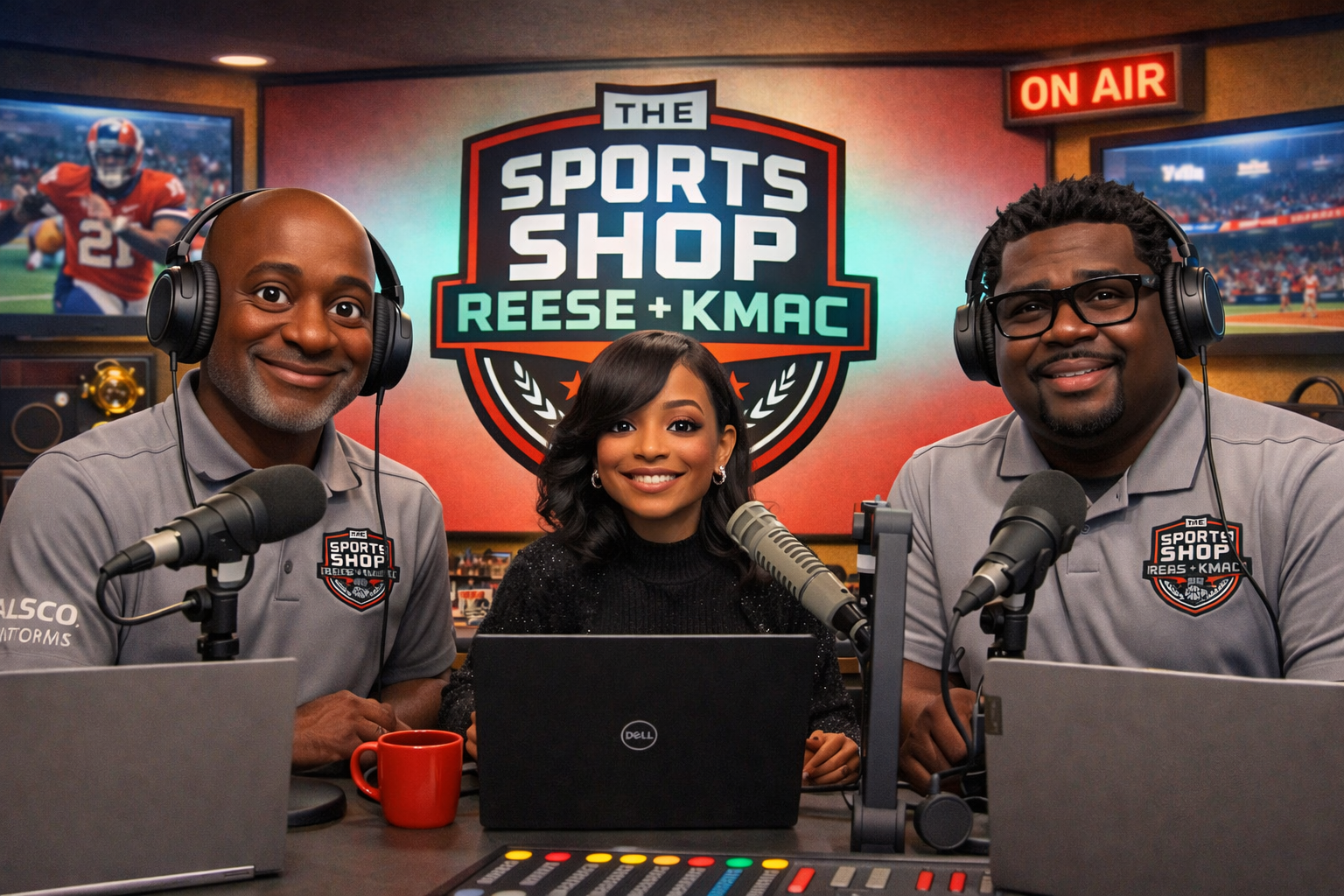
Image credit: Sports Rap Network
Sports Shop heard more than disappointment in Ryan Clark’s response to his ESPN firing. The hosts saw a painful reflection on authenticity, acceptance and the pressure Black professionals can face in high-profile workplaces.
Ryan Clark’s emotional comments after being fired by ESPN landed differently because they were not simply about a job ending. On Sports Shop, the hosts heard a veteran broadcaster and former player describing the deeper pain of trying to meet expectations, temper parts of himself and still feel that acceptance remained out of reach.
That tension made the moment bigger than a familiar sports-media personnel move. Clark has built a respected career around direct analysis, football experience and a visible presence across platforms. The show’s conversation centered on the personal toll of being told, directly or indirectly, that success requires an individual to become less of himself—and then learning that even those adjustments may not be enough.
The hurt was about more than being fired
Sports Shop’s hosts did not minimize the professional stakes. They described Clark as a strong on-air presence and said they had viewed ESPN’s NFL programming as having an A-team when he was involved. One host recalled meeting Clark at major events and came away seeing him as a genuine, approachable person. From that perspective, the firing was surprising before Clark ever publicly explained how deeply it affected him.
But the hosts believed the strongest part of Clark’s response was his sense that he had already made changes in an effort to fit the organization’s expectations. Their reading was that he had attempted to avoid conflict and restrain elements of the candid style that helped establish his voice. The disappointment, then, was not merely that an employer moved on. It was the realization that the personal compromise did not produce the security or belonging he hoped it would.
Authenticity should not be a workplace liability
The discussion connected Clark’s situation to a familiar reality for Black professionals: the moving standard of acceptability. The hosts spoke about the pressure to be better, more controlled and more adaptable, only to find the bar shifting again. Their point was not that every career setback has one simple explanation. It was that Clark’s words gave voice to a feeling many people recognize when their work is judged alongside discomfort with how they naturally communicate or carry themselves.
That is particularly complicated in sports media, where credibility often depends on personality as much as information. Former players are hired partly because they bring lived experience, conviction and a perspective that cannot be duplicated by a résumé alone. If a network values that perspective only when it is carefully narrowed, it risks weakening the very connection audiences respond to. The hosts heard Clark grappling with that contradiction in real time.
The manner of a departure matters
Sports Shop also focused on the reported circumstances around the firing. The hosts discussed claims that news of Clark’s departure was positioned to become public through OutKick, raising questions about how the situation was handled. They did not claim to know every fact behind the decision, and they acknowledged that more details may emerge. Still, they saw reason to question whether a broadcaster of Clark’s stature deserved a more respectful process.
The difference between a layoff and a firing mattered in the conversation as well. The hosts emphasized that Clark was fired and argued that his record warranted more consideration, citing his professional standing and Emmy-winning work for the network. They also noted the apparent silence around the situation from some peers, while recognizing that people still employed in the same industry may have to be cautious. That reality itself illustrates the power imbalance Clark was describing.
Clark’s next move can still carry his full voice
The hosts repeatedly said they believe Clark will be fine. His football background, visibility and work on The Pivot give him a foundation that reaches beyond any one network. In an industry where athletes and broadcasters increasingly build platforms outside traditional television, an established voice can create opportunity through multiple channels. Clark’s future prospects were not the issue; the way his exit made him feel was.
There is also a leadership lesson in the response. Organizations often speak about inclusion, culture and talent development, but their decisions tell employees what those words actually mean. A company can reward achievement while still failing to create genuine belonging. For audiences, coworkers and younger professionals watching Clark’s story, the lesson is to value adaptability without accepting the idea that personal erasure is the price of entry.
What It Means
Ryan Clark’s experience, as described on Sports Shop, is a reminder that career success does not erase the basic human need to be respected and accepted. A person can be decorated, visible and productive, and still carry the exhaustion of having to prove that his full personality belongs in the room. That is why the emotion in Clark’s comments registered so strongly with the hosts.
Clark has enough ability, credibility and relationships to create another meaningful chapter, and the show made clear it expects him to do exactly that. But moving forward does not make the questions disappear. For media companies and leaders across industries, the responsibility is bigger than celebrating Black talent once it reaches the screen. The test is whether that talent can be authentic, heard and treated with dignity when difficult decisions are made.
Substantive update: