
Blog | Sports Rap Network
George Lynch: Knowing the Player Is the Real Work of Coaching
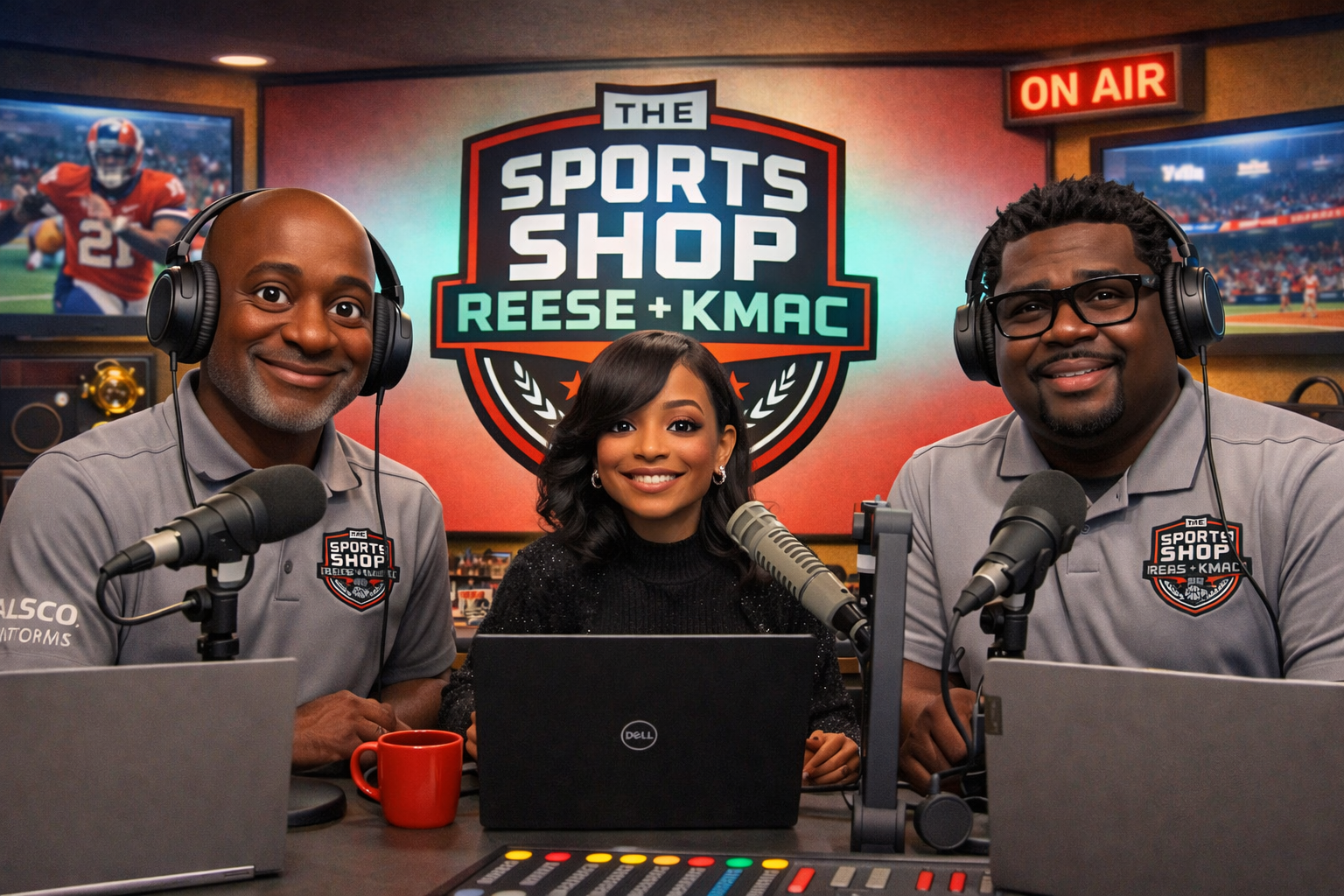
Image credit: Sports Rap Network
George Lynch and Dr. Deborah Stroman say the demands on athletes require more than tough coaching. They require trust, individualized support and a real plan for life beyond the game.
Elite athletes are often treated as if performance is the whole story. The points, the minutes, the contract, the transfer decision and the next opportunity can dominate every conversation. But during a Sports Shop discussion on mental wellness, former NBA player and coach George Lynch offered a more grounded reminder: players bring their full lives with them into the gym.
Lynch joined Dr. Deborah Stroman to discuss the pressures athletes manage away from the scoreboard. Their conversation landed on a simple but consequential principle for coaches, parents and programs: no two players should be handled exactly alike. The ability to recognize that difference may shape not only a season, but a young person’s ability to navigate life after sports.
Every player carries a different burden
Stroman framed the conversation during BIPOC Mental Health Month, stressing that athlete wellness should not be restricted to one month on the calendar. She pointed to depression, burnout and exhaustion among elite athletes, while also naming injury, retirement, family requests and the pressure to maximize a brief athletic window as challenges that can weigh heavily on players.
Lynch added the perspective of someone who has been responsible for athletes as a coach. He said demands and expectations from coaches themselves must be included in any honest assessment of player stress. A player may be coping with a relationship issue, family concerns or the loss of a loved one while still being expected to perform at a championship level.
Coaching cannot be one-size-fits-all
The former North Carolina player said coaches have to treat athletes differently because players respond differently. Some can take tough love, while others cannot. That is not an argument for abandoning accountability. It is an argument for learning the people entrusted to a program rather than assuming one motivational style will reach everybody.
For Lynch, the practical starting point is opening the office door to conversations that are not about basketball. Those exchanges can reveal what a player wants after the game, what support they may need and what is affecting them day to day. The earlier that trust is built, the more likely a coach can help an athlete see a future larger than the next box score.
The new college business model raises the stakes
Stroman connected the wellness issue to a college sports system in which athletes can change schools, pursue the best financial opportunity and face mounting public judgment. She questioned what constant movement can mean for a player’s sense of community and loyalty, particularly when athletes are trying to make major decisions while still very young.
Lynch was direct about the professional-level expectations that accompany major NIL money at high-profile programs. In his view, a player receiving millions is expected to produce and win. At a program such as North Carolina, he said, the historical standard is already high; opponents bring their best effort, alumni follow closely and newcomers must quickly understand the legacy attached to the uniform.
Preparation after basketball is part of the job
Lynch’s coaching experience at Clark Atlanta reinforced the need to look beyond the narrow group of athletes who may advance to the NBA or another elite professional stage. Some players may have a chance to play overseas, but many will need to identify other paths. That makes career conversations and relationship-building core responsibilities, not optional extras.
Stroman’s definition of mental wellness broadened the point. She described it as a holistic practice involving mind, body and spirit, along with a capacity to step away from noise and distractions in order to think clearly. Families can play a vital role by looking past a school’s prestige or financial appeal and asking whether a program has people and resources capable of supporting the athlete as a whole person.
What It Means
The central lesson from the Sports Shop conversation is not that coaches must lower standards. Lynch’s own description of coaching makes clear that expectations remain central. The difference is whether a coach understands what each athlete needs in order to meet them—and whether the athlete has somebody trustworthy to call on when basketball cannot solve the problem.
That is a meaningful charge for programs, parents and the communities that celebrate athletes. Support has to be as intentional as the training plan. In an environment where money, movement and public attention can intensify every decision, developing a player’s mind, relationships and future is not separate from winning. It is part of what responsible leadership looks like.
Substantive update: