
Blog | Sports Rap Network
Miami’s Deleted LeBron Listing Turns a Routine ‘Mistake’ Into a Real Question
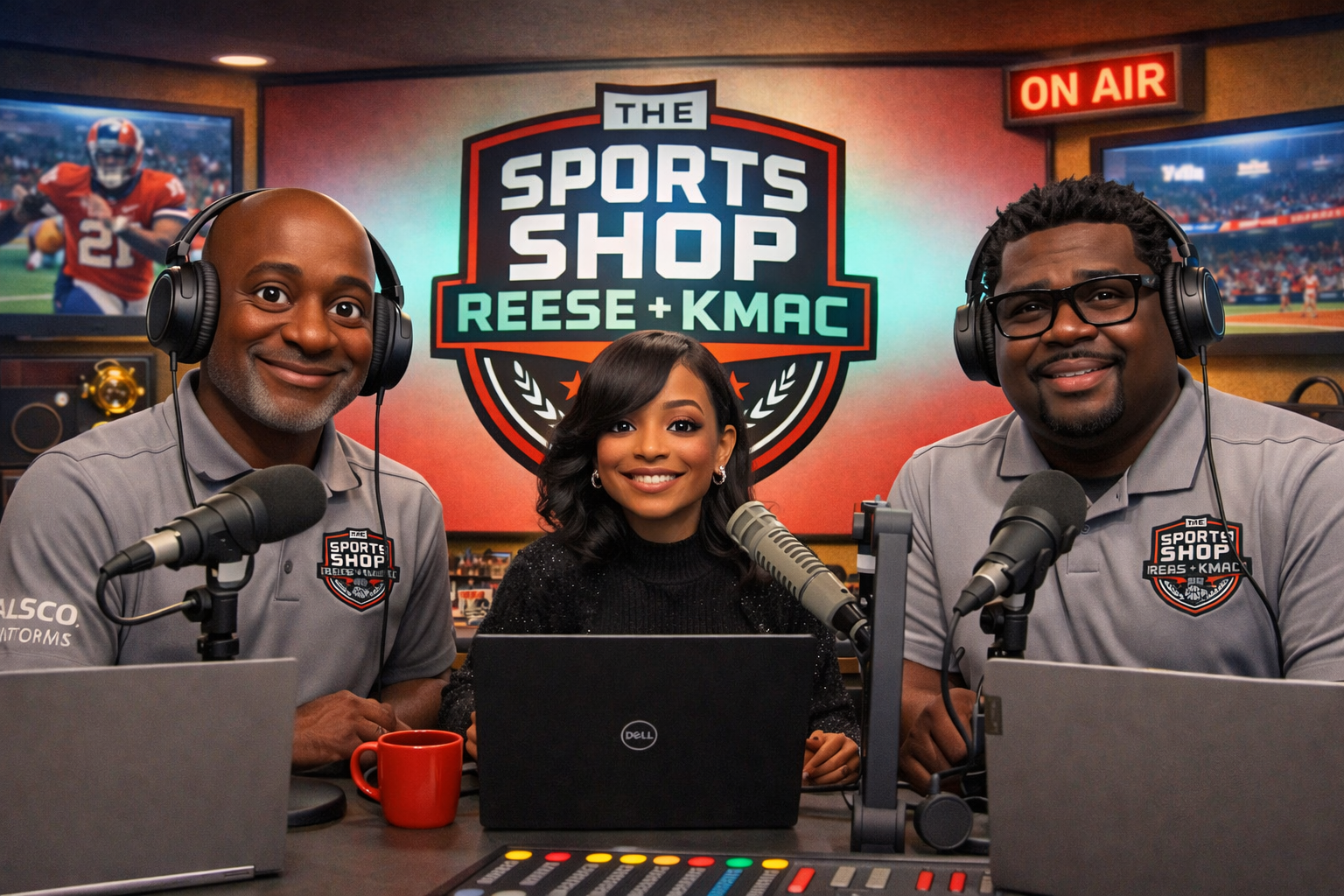
Image credit: Sports Rap Network
A deleted Miami Heat livestream listing for a LeBron James introductory press conference raised an uncomfortable question on Sports Shop: was it simply a social-media mistake, or a glimpse of a decision already taking shape?
The Miami Heat put up a scheduled livestream titled as a LeBron James introductory press conference, attached it to a July 27 date, then took it down. On Sports Shop, that sequence was too specific to dismiss without a second look. The hosts understood the practical explanation: digital teams often build streams and event pages ahead of time so they can move quickly when news becomes official. But preparation is one thing. Publishing a page with a named event and a date is another.
That distinction drove the discussion. The show did not claim the deleted post confirmed a LeBron-to-Miami move. Instead, the hosts asked the question that follows every high-profile LeBron development: what would have had to be discussed internally for someone to prepare that exact presentation? In a sports world built on timing, rumor and carefully managed attention, the post created more curiosity than Miami’s explanation could immediately erase.
A Specific Date Makes the Error Harder to Ignore
The hosts’ biggest point was not merely that a livestream graphic existed. It was the July 27 date. A generic placeholder could be explained away as routine production work. A scheduled date, however, invited the kind of scrutiny that follows a possible announcement involving one of basketball’s biggest names. The conversation repeatedly returned to the same practical question: why would that date be selected if there were no meaningful expectation behind it?
Miami’s stated explanation, as relayed on the show, was that its social-media department was preparing for the possibility of a press conference without knowing the precise time or hour. That is plausible in the mechanics of modern team communications. Yet the hosts believed the accidental post suggested somebody had at least identified a scenario worth planning for. Their skepticism was rooted less in conspiracy than in the ordinary reality that organizations do not usually build major announcement packages without direction from somewhere inside the building.
LeBron’s Decisions Are Never Just Basketball News
Sports Shop also placed the leak in the context of LeBron’s unusual ability to dominate a news cycle. One host noted that even the commissioner had publicly sought clarity so schedules could be released, while other teams and media voices were also appearing to react to the uncertainty. Whether fair or not, the show’s view was that LeBron’s next decision is treated as a league-wide event, not simply a roster question.
Caller Mike took that thought further, arguing that LeBron understands how to find a moment when attention will not be divided. He speculated that a late-July announcement could sit after the World Cup and before football camps fully take over the conversation. The hosts did not present that as fact, but they recognized the logic of the theory. With LeBron, a major move would carry consequences for television, team branding, fan interest and the larger NBA conversation. The timing itself would become part of the message.
Why Miami Felt More Plausible Than Other Suggested Stops
The hosts’ most pointed opinion concerned destination. They framed any next stop as a possible late-career choice, one that would involve life beyond the court as much as basketball. In that light, they found Miami easier to understand than Philadelphia or Cleveland. The discussion was blunt and conversational: people commonly talk about retiring or relocating to Florida, while the idea of choosing Philadelphia or Cleveland as a final lifestyle destination drew much more skepticism from the panel.
Miami also carries an emotional logic in the hosts’ discussion because LeBron already has championship history there. That does not prove a return is coming, and Sports Shop made no claim that a deal had been reached. But it helps explain why a Heat-produced introductory press conference page immediately felt believable to listeners. A return would be legible to fans as both a basketball decision and a closing-chapter decision—one with a familiar setting, a recognizable story line and considerable commercial power.
The Leak Becomes Its Own Communications Problem
If the post was truly accidental, the timing was especially awkward. The show noted that LeBron’s agent had said LeBron would not be pressured into making a decision, only for Miami’s deleted listing to pour more pressure and speculation into the public conversation. That is the downside of premature digital preparation: a tool meant to make an official announcement seamless can suddenly become the announcement people are debating.
The hosts also entertained the possibility that the episode could create publicity even if it began as an error. They referenced the familiar belief that any press can be good press, while recognizing that unwanted attention can disrupt a carefully managed plan. The immediate question becomes who called whom after the post appeared. More importantly, it shows how little separation exists between sports operations, marketing and public narrative. One mistaken click can force every party to respond before it is ready.
What It Means
The deleted listing does not settle LeBron James’ future, and the Sports Shop conversation did not pretend that it did. A contingency stream can be built before a deal is done; a social post can be mistakenly published; a date can be changed. But when the player is LeBron, even a small operational error becomes a major sports-business signal because every possibility carries enormous public interest.
For Miami, the question is no longer limited to whether the listing was an error. It is whether the organization accidentally showed fans the kind of possibility it has been preparing to pursue. Until there is an actual announcement, the July 27 listing remains an unanswered clue. Still, Sports Shop’s larger point holds: with LeBron James, the noise around the decision is often part of the story—and this time, Miami gave everybody a reason to listen closely.
Substantive update: