
Blog | Sports Rap Network
The Push for Federal Rules in College Sports Is Really About Control
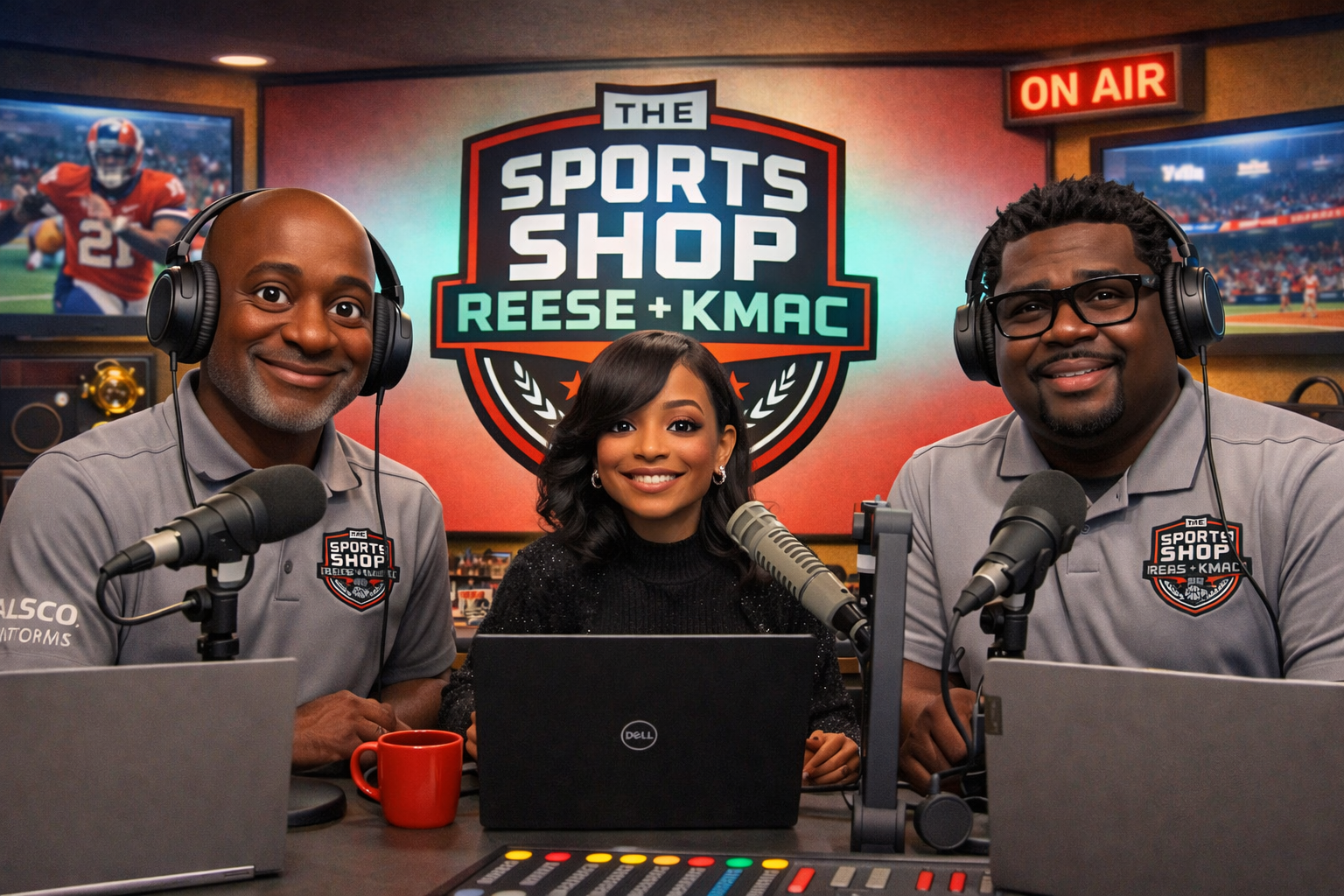
Image credit: Sports Rap Network
As SEC leaders press for national rules, Sports Shop argues that the real battle is not over NIL alone. It is over who gets to control college athletes in a newly empowered marketplace.
The loudest conversation coming out of SEC Media Days was not simply who will win the league or whether Georgia, Texas or Alabama deserves preseason confidence. It was the escalating demand for federal legislation in college athletics, with SEC commissioner Greg Sankey emphasizing a need for nationally consistent rules for athletes, coaches and universities. On Sports Shop, that argument triggered a far more pointed question: What, exactly, are college sports leaders trying to regulate?
The hosts did not dismiss the reality that NIL, the transfer portal and aggressive recruiting have changed the business of college football. They challenged the familiar story that athletes are the source of the disorder. In their view, the instability reflects institutions chasing talent, money and competitive advantage—and now seeking outside help after losing the unilateral control they once held over players.
The Athlete Was Never the Only Actor
For years, college sports debates often painted the transfer portal and NIL as evidence that the student-athlete had become too powerful or too focused on money. Sports Shop rejected that framing. The hosts argued that athletes did not create the recruiting machinery, establish NIL budgets or build the systems that allow programs to pursue and persuade players from other rosters. Players are responding to the opportunities placed in front of them.
That distinction matters because it changes where accountability belongs. An 18- or 19-year-old deciding where he can develop, compete and earn compensation is not acting outside the logic of the marketplace. Schools, boosters and decision-makers created the financial stakes. The show’s position was that blaming the athlete for taking advantage of those stakes ignores the adults and institutions with the most money, resources and influence.
A National Standard Raises a Harder Question
Sankey’s call for a national standard and federal legislation is rooted in the concern that programs must operate under consistently enforced rules regardless of geography. That appeal has obvious surface logic in a national sport. Yet the Sports Shop hosts kept returning to the purpose behind the request. They asked why changes to transfer windows, recruiting procedures or other competitive practices would automatically require federal intervention.
Their suspicion is that the desired legislation goes beyond administrative clarity. The hosts see a broader effort to restore institutional leverage over athletes whose mobility and earning power have increased. In that reading, the central concern is not merely competitive balance or compliance. It is the discomfort of a system no longer able to dictate every term to the people generating the on-field product.
Money Is the Argument, but Power Is the Issue
The conversation repeatedly returned to the enormous wealth college sports has generated for decades. Sports Shop argued that it rings hollow for institutions to suddenly treat athlete earnings as uniquely dangerous when major programs and conferences have long benefited from football’s value. The hosts particularly objected to the reflexive claim that a player is making too much money, a criticism they said is rarely applied with the same urgency elsewhere in the sports economy.
The show also connected the issue to a professional mindset. Coaches and staff members do not necessarily organize their work around knowing every colleague’s salary; they prepare, recruit and compete. In the same way, the hosts said players should be judged by their preparation and performance, not treated as a threat because they have access to information, representation and choices. Athlete empowerment is not automatically the same as dysfunction.
The SEC’s Scale Makes the Debate Impossible to Ignore
SEC Media Days provided the perfect stage for this debate because the league’s influence reaches far beyond a preseason poll. Sports Shop noted the immense media attention around the event and the league’s role in driving college football’s broader economy. That reach gives the SEC real power to shape the terms of the national conversation, including the definition of what a college athlete should be allowed to earn and control.
At the same time, the hosts warned that schools trying to keep pace financially may put themselves in difficult positions. The fear of becoming irrelevant can lead programs to spend aggressively, then seek rules when the cost of competition becomes uncomfortable. Sports Shop’s critique was blunt: institutions cannot fuel an arms race, blame the players for its consequences and then claim that athlete freedom is the emergency.
What It Means
The federal-legislation conversation will keep moving because the stakes are enormous. Conferences, schools, coaches, collectives and athletes are operating in a marketplace that has changed faster than the old college model could handle. But Sports Shop’s concern is that lawmakers could be asked to solve a problem without an honest definition of what the problem is—or whose interests the solution is meant to serve.
The hosts’ bottom line is clear: do not make the athlete the villain for recognizing value in a system that has generated vast sums for everyone around him. If college sports wants a sustainable future, its leaders must start with accountability, transparent priorities and rules that respect player agency. Control cannot be the entire mission. The game still has to be about opportunity, development and the people whose labor puts the product on the field.
Substantive update: