
Blog | Sports Rap Network
Spain’s World Cup Win Leaves America With Its Own Soccer Question
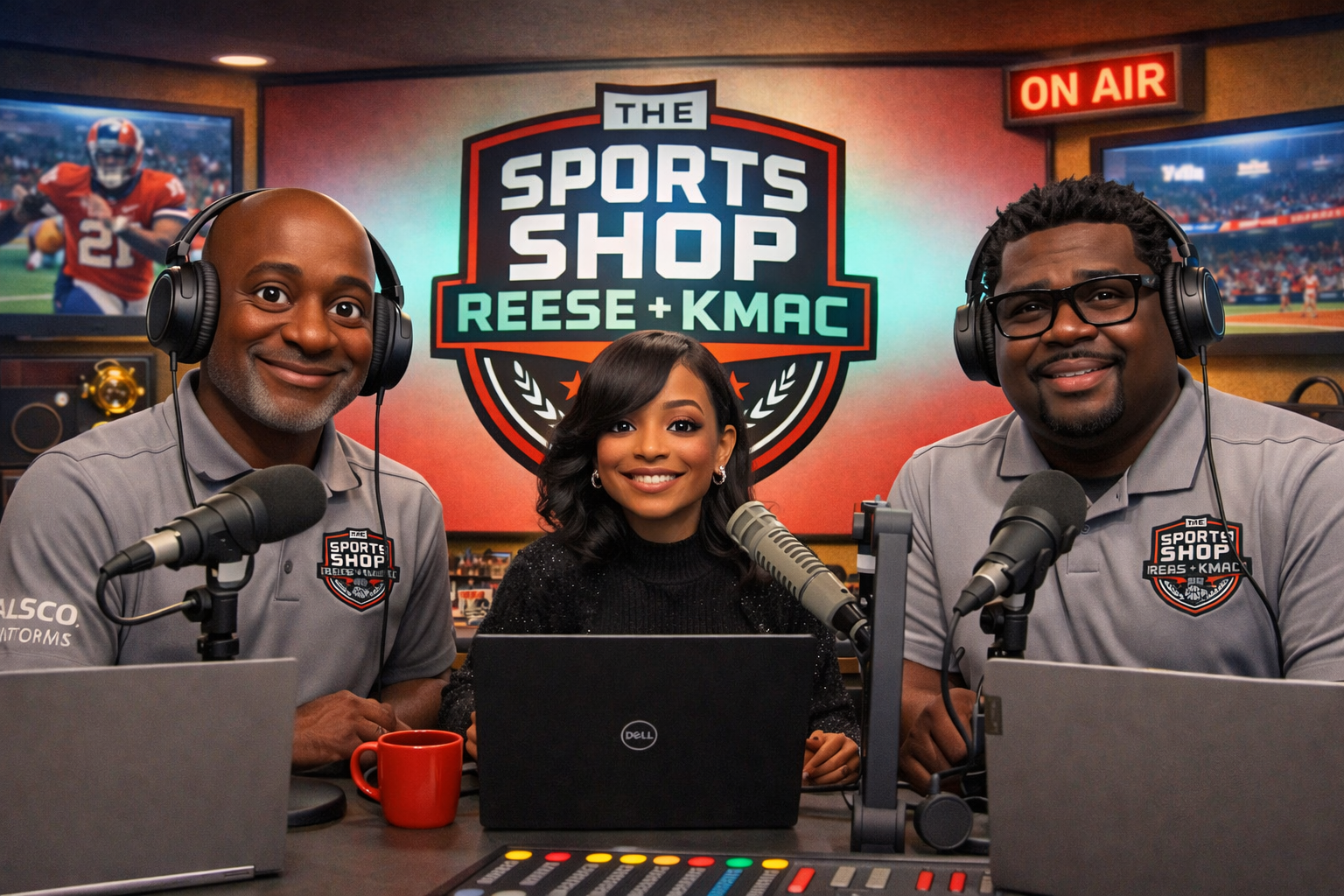
Image credit: Sports Rap Network
Sports Shop saw Spain’s victory over Argentina as a triumph of tactical discipline and depth. Now the hosts are asking whether America’s World Cup attention can survive after the final whistle.
Spain’s World Cup championship over Argentina delivered the kind of global sports theater that can stop a room: a favored star under pressure, a tense match that stayed level deep into the action, disputed discipline and, finally, a breakthrough in extra time. On Sports Shop, the verdict was direct. Spain looked like the better football team, and its victory was the product of a plan executed with patience.
That plan began with Lionel Messi. Argentina entered with one of the world’s defining players and a reputation for finding its way back into matches late. Spain did not allow that familiar script to take over. The hosts pointed to the Spanish side’s organized pressure, fresh substitutions and relentless control as the difference, while also raising a broader question that reaches beyond one final: will the United States remain engaged with soccer after the World Cup excitement fades?
Spain Made Messi a Non-Factor
The central achievement of Spain’s title run was not merely beating Argentina. It was limiting Messi’s influence without losing its own attacking identity. Sports Shop noted that Spain treated containing him as a priority from the outset, using personnel changes to keep fresh legs available. Against a player capable of changing a match in one moment, that workload requires more than a single defender. It demands collective commitment.
Spain also arrived in the final carrying the confidence of a dominant tournament path. The hosts cited wins over Portugal and Belgium, an unexpected defeat of France, and then the final triumph over Argentina. Those results supported their belief that Spain had been the tournament’s strongest side. The final did not feel like a surprise outcome to them; it felt like the conclusion of a team consistently imposing its style.
Depth and Discipline Won the Late Moments
The match’s long stalemate made Spain’s persistence even more important. One host noted that Spain had generated a significant edge in shots while Argentina remained stuck without one at a late point in the game. The breakthrough in extra time was therefore more than a dramatic finish. It was the reward for a side that continued to create pressure instead of allowing frustration to change its approach.
The substitution strategy stood out in the discussion because it illustrated a practical championship truth: elite plans need energy to survive. Spain’s ability to rotate players helped sustain its work against Messi and Argentina’s attack. The hosts saw that depth as intentional, not incidental. It gave Spain the legs to defend with urgency and still attack when the match became most demanding.
The Red Card Debate Did Not Disappear
Argentina’s late dismissal sharpened the tension and became the final’s most contested officiating issue. The player received two yellow cards, which produced the red card, and the Sports Shop conversation reflected the split that often follows a decisive call. Some believed the contact and the player’s reaction justified the punishment. Reese, however, questioned whether the moment deserved that level of discipline given the stakes and the nature of both players going for the ball.
That disagreement is part of what makes soccer compelling to viewers who may only tune in for a tournament of this scale. The hosts joked about the theatrical reactions that can accompany contact, but they also acknowledged how much a call can change the shape of a championship. Once Argentina went down a player against a Spain team already playing well, the climb became much steeper. Spain still had to finish the job, and it did.
Can America Stay Interested After the Cup?
The more revealing discussion came after the final analysis. Sports Shop asked whether the country is genuinely becoming a soccer nation or simply responding to a major event. The comparison was to Olympic sports that capture broad attention during a global showcase, then retreat from the everyday sports calendar once the event ends. It is a fair challenge because enthusiasm is easy to measure during a final and much harder to sustain in ordinary weeks.
There are reasons to believe the connection can continue. Messi remains in the United States with Inter Miami, and one host pointed to regular viewing of the English Premier League as evidence that the audience is not starting from zero. But lasting engagement requires habit: following club competition, learning the sport’s rhythms and staying invested when the stakes are not a World Cup trophy. The hosts’ own lively debate over yellow cards, substitutions and tactics showed what that growing familiarity can look like.
What It Means
Spain’s championship belongs to a team that, in the hosts’ view, earned it with a complete approach. The title was not reduced to one highlight or one name. Spain defended, managed its personnel, created chances and kept working until it broke through. That is the kind of winning formula that travels, whether the stage is a World Cup final or any championship setting.
For American viewers, the final should be an invitation rather than a farewell. The event supplied drama, stars, strategy and a legitimate debate about officiating. The next test is whether fans, media outlets and families make room for the sport when there is no trophy presentation on television. If they do, Spain’s victory may be remembered not only as the end of a tournament, but as another step in soccer becoming part of the regular national conversation.
Substantive update: