
Blog | Sports Rap Network
An All-Black Sports Network Needs More Than a Great Idea
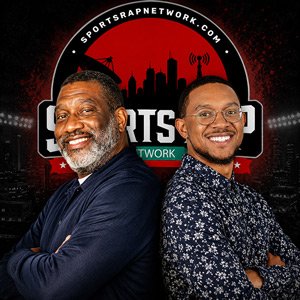
Image credit: Sports Rap Network
Jimmy & Jack see a real opening for an all-Black sports network, but they say HBCU programming, serious capital and collective commitment must come before the vision can become a lasting institution.
The conversation around an all-Black sports network is not simply about adding another logo to an already crowded television guide. It is about whether Black fans, athletes, schools and storytellers can have a durable sports platform built with their interests at the center. On Jimmy & Jack, hosts Jimmy Wardell and Jack Barthwell saw real potential in that vision, particularly for HBCU athletics and more thoughtful coverage of the games and people that drive sports culture.
But the hosts did not mistake a powerful concept for an easy business. Modern sports media is expensive, live rights are fiercely contested and a network needs programming long after the opening-night excitement fades. Their discussion landed on the essential challenge: an all-Black sports network can matter deeply, but it needs capital, compelling content and unified leadership to survive long enough to make that impact.
The Need Is Bigger Than Another Debate Show
Barthwell argued that sports media has room for an alternative that offers genuine depth rather than a steady diet of personalities arguing for attention. His concern was not that conversation and entertainment have no place in sports television. It was that too much of the current marketplace has moved away from sustained reporting, context and meaningful examination of athletes and games.
That creates an opening for a network that understands Black sports culture from the inside. Such a platform could cover the performance, business and human stakes surrounding athletes without reducing them to controversy. It could also provide room for experienced voices who may not fit the loud, combative format that dominates much of the national sports discussion.
HBCU Athletics Could Be the Programming Foundation
Wardell pointed to a practical starting point: HBCU football and basketball. He recalled the value of Black college game-of-the-week programming and identified major conferences including the SWAC, MEAC, SIAC and CIAA as places where a new network could provide consistent visibility. Those leagues offer competition, alumni passion, marching-band culture and regional stories that deserve a larger stage.
The key, however, is not treating HBCU games as occasional programming for heritage weekends. A sustainable network would need a full calendar and a serious editorial plan around those events: pregame shows, postgame analysis, recruiting conversations, athlete features and coverage of Olympic and smaller sports. Wardell also noted that HBCU athletic programs beyond the largest conferences have existing broadcast arrangements, underscoring that rights and partnerships would have to be built carefully.
The Money Question Cannot Be Avoided
Both hosts returned repeatedly to financing. Live sports rights command enormous sums, and the biggest platforms already control much of the major-league inventory. Wardell questioned what an all-Black network would show beyond HBCU events, recalling how early ESPN filled airtime with a wide range of sports, including activities that were far from mainstream television staples at the time.
Barthwell's answer was that the venture would require a collective effort, but he did not believe the first move should be asking ordinary people to fund it. He would rather see wealthy Black leaders and investors demonstrate solidarity by building the initial foundation. The hosts mentioned figures such as Byron Allen, Tyler Perry and Oprah Winfrey while acknowledging that no individual should be expected to rescue every Black-owned media ambition. The model has to be bigger than one benefactor.
A Platform Can Create Opportunity, Not Just Content
The value of a dedicated network would extend beyond the broadcast itself. It could create opportunities for announcers, producers, journalists, camera operators, students and entrepreneurs who want a path into sports media. It could also offer athletes at Black colleges a more consistent opportunity to be seen, evaluated and celebrated on a platform that regards their programs as worthy of regular investment.
That is why the hosts viewed this as a proof-of-concept opportunity for wider cooperation. A successful sports outlet could show what happens when business interests, cultural institutions and media talent align around a shared goal. Ryan Clark, Cam Newton and Bart Scott already have platforms, Wardell noted, but a network could connect individual influence to an institution with broader reach and a longer legacy.
What It Means
The opportunity is clear because the need is clear. Fans can find endless debate, hot takes and expensive rights packages across the sports-media landscape, yet there remains room for coverage that treats Black athletes, Black institutions and Black audiences as central rather than supplemental. An all-Black sports network could make that commitment visible every day, not only during major cultural moments.
Jimmy & Jack's caution is the right kind of caution: inspiration has to meet infrastructure. The strongest version of this project would begin with real investment, credible leadership, rights relationships and programming that respects the audience's intelligence. If that foundation is built, the network could become more than a channel. It could become a durable platform for community, opportunity and sports legacy.
Substantive update: