
Blog | Sports Rap Network
The Tigers Should Buy at the Deadline, Not Break Their Rotation
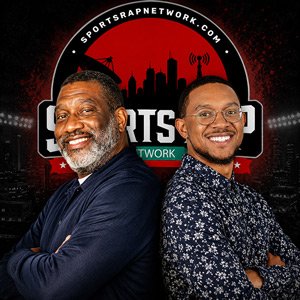
Image credit: Sports Rap Network
Jimmy & Jack see Detroit as a real wild-card threat—and argue that a deadline push cannot come at the expense of Casey Mize or Scuba.
The Detroit Tigers reached the All-Star break with a 44-52 record, a number that ordinarily would not inspire much postseason talk. But the American League’s compressed standings have given the season a different shape. Detroit sits six and a half games back in the division and only about two games from the third wild-card spot, making the next few weeks more consequential than the raw record suggests.
On Jimmy & Jack, hosts Jack Barjwa and Jimmy Wardell landed on the same essential conclusion: the Tigers are contenders, even if they reside on the back end of that group. Their case is not that Detroit has been flawless. It is that the club’s disastrous May has distorted the larger picture, while its July start and underlying roster strength provide a reason to push forward at the trade deadline.
Detroit’s record does not tell the whole story
Detroit’s 8-4 start to July is part of the evidence. The hosts also pointed to recent losses against Zach Wheeler and Jonathan Sanchez, two difficult opposing pitchers, as a reminder that a rough result does not automatically signal a bad team. Outside the May collapse, they believe the Tigers have played at a level that supports a credible playoff argument.
The roster has supplied meaningful contributors. Kevin McGonigal has been described as a revelation, while Dylan Dingler has emerged, in the hosts’ view, as the best catcher in the American League. Riley Greene is performing at a high level, and Cole Keith has contributed despite a limited number of appearances. That is not the profile of a team that should simply wait for another season.
The rotation is a strength worth protecting
The most important point in the discussion was the case against trading Scuba or Casey Mize. Detroit has endured missed starts from Scuba and has still received solid work from Troy Melton, Kider Montero and Jack Flaherty. Frambois Valdez, the hosts suggested, may also have room to improve as the season continues, while Mize is getting healthier and should continue building his form.
Mize, in particular, is a puzzling name in trade speculation for Wardell and Barjwa. He is a pitcher Detroit developed, a former first overall draft pick and an All-Star last year who is pitching well now. Injury history can create understandable durability questions, but the hosts see little logic in dealing a proven starter when the organization says it wants to contend. A playoff-caliber club needs Mize taking the ball late in the season, not pitching somewhere else.
A deadline addition should solve the real needs
That does not mean Detroit should stand pat. Both hosts identified a bullpen arm and one more left-handed bat as the clearest needs. The bullpen upgrade is the most direct way to protect close games, while an added left-handed hitter could improve lineup balance. Those are targeted moves designed to deepen a contender rather than remake its identity.
The hosts also acknowledged the difficult roster math confronting Scott Harris. Torres is injured but could carry trade value when he returns, especially with How Uli playing well at second base. Javi Baez’s potential return, combined with McGonigal’s emergence, could create more flexibility. Detroit may need to move someone to get the desired help, but the hosts urged creativity: player-and-prospect packages and rental targets could lower the acquisition cost without stripping the major league rotation.
The cost of chasing a deal can outgrow the reward
The argument against a Scuba trade is also rooted in market reality. The hosts questioned whether a contender would surrender elite prospects for what could amount to a short-term acquisition, particularly for a veteran pitcher with an injury history. A club such as the Dodgers or Yankees might have rotation needs, but that does not guarantee a return substantial enough to justify Detroit’s loss.
More broadly, the Tigers cannot know in late July exactly which acquisition will prove decisive. That uncertainty is why a team must distinguish between dealing from strength and dealing away its foundation. Detroit’s rotation is not expendable excess. With Reese Olsen and Jackson Jobe coming off injuries, Mize represents certainty that the organization may need this year and next. The hosts’ view is that adding at the margins makes more sense than subtracting from the core.
What It Means
The deadline is difficult precisely because Detroit has enough to believe in. The Tigers do not need to pretend they are a finished product, but they also should not behave like a club with no meaningful path forward. Their position near the wild-card line, their stronger recent play and their All-Star representation call for a measured commitment to winning.
Jimmy & Jack’s bottom line is clear: go for it, but be smart about the price. A useful reliever and a complementary left-handed bat could address real needs. Moving Mize or Scuba, however, would risk replacing a solvable weakness with a hole that could define the season when September and October arrive.
Substantive update: