
Blog | Sports Rap Network
Deion Sanders Must Own Colorado’s Five-Game Slide
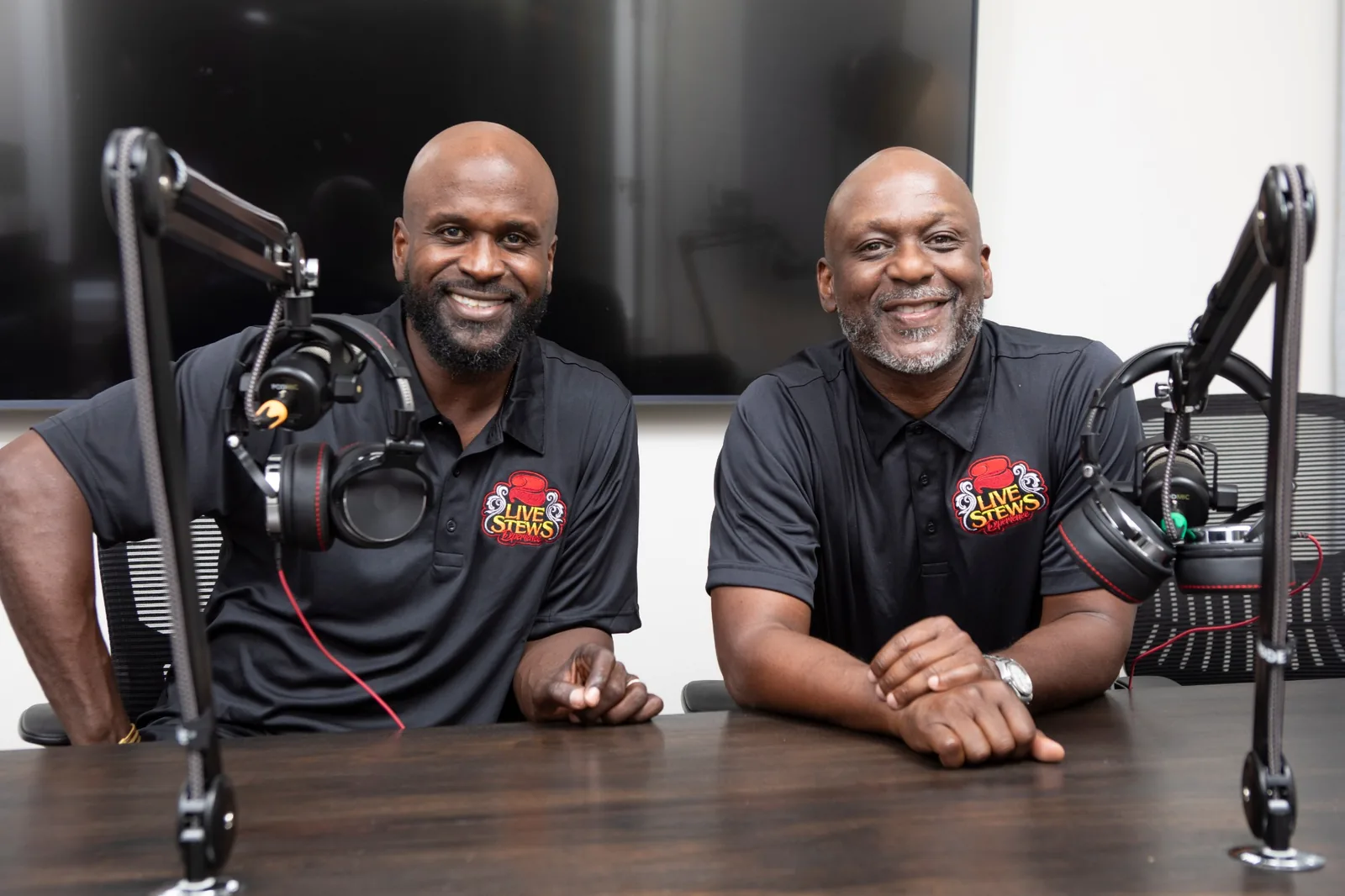
Image credit: Sports Rap Network / source-provided image
Colorado’s latest loss raised a sharper question than whether the Buffaloes can recover: Will Sanders publicly lead with accountability?
Colorado’s 57-34 loss to Oklahoma State was not simply another mark in a five-game skid. It was another painful illustration of a program that can compete for stretches, then comes apart when the game demands discipline, resilience and adjustments. The Buffaloes led 24-23 at halftime before surrendering 30 unanswered points in the second half, a collapse that left them 2-5 overall and 0-4 in Big 12 play.
The central issue is no longer whether Deion Sanders can bring attention to Colorado. He clearly can. The issue is whether his public leadership will meet the moment when the attention turns harsh. Sanders expressed frustration after the loss, including concern that players are being compensated without producing the expected results. But as Colorado’s defeats pile up, the stronger message must begin with the head coach taking responsibility for the culture, preparation and execution of his own program.
The Second Half Told the Story
Colorado’s first half against Oklahoma State showed why the Buffaloes remain a compelling team to watch. They had enough offense to establish a halftime lead and enough talent to suggest they could finally interrupt their losing streak. But the second half erased that promise. A 30-0 Oklahoma State surge turned a competitive game into another lopsided final and reinforced the concern that Colorado has not been able to sustain winning football.
That inability to finish has become the defining problem. The Buffaloes have now lost five straight games, and the opponents cited during the discussion were not framed as an untouchable collection of traditional powers. Colorado has lost 41-7 to Northwestern, 23-13 to Baylor, 29-7 to Texas Tech and suffered the latest second-half collapse against Oklahoma State. Whatever the differences in those matchups, the repeated pattern points back to Colorado’s own readiness and response.
Accountability Cannot Stop With the Players
Sanders’ postgame frustration is understandable. Football is demanding, and the modern college game adds another layer of pressure because players are now paid through NIL opportunities. Still, the hosts’ strongest criticism was aimed at the framing of that frustration. Saying that players are being paid, asking why they are not making plays, or saying the team needs someone else at quarterback can sound like the head coach is shifting the burden downward.
That is a risky message for any locker room, especially one trying to stop a losing streak. Players need honest evaluation, but they also need to hear their leader say the program’s shortcomings start at the top. The hosts argued that most coaches in this position would say, in effect, that it starts with them and ends with them. That does not absolve players of poor execution. It establishes the standard that a head coach owns the environment in which preparation, decisions and confidence either grow or fail.
Colorado Still Matters, But Attention Is Not Enough
One host maintained that Colorado is still “winning” in one important sense: people are discussing a five-game losing streak that would leave many programs outside the national conversation. That is a fair point. Sanders’ presence has made Colorado relevant in a way that keeps the Buffaloes in the spotlight even when the results are bad. Visibility, interest and scrutiny are all part of the value he brought to Boulder.
But attention cannot become a substitute for progress. The same spotlight that once celebrated Colorado’s rise now magnifies every setback, every lopsided loss and every public comment that appears to distance the staff from the team’s performance. Sanders is too prominent, and too influential in the sport, to be judged only by buzz. The Buffaloes need evidence that the program can correct mistakes, develop players and compete with consistency when adversity arrives.
What It Means
Colorado’s season is not defined by one halftime lead lost or one blunt postgame comment. It is defined by what happens next. Sanders has built a career on confidence, standards and the ability to command a room. Those qualities can still help Colorado, but only if they are paired with a public and private commitment to own the program’s failures as fully as its successes.
The Buffaloes do not need less honesty from Sanders. They need a more complete version of it. Challenge the players, demand better execution and acknowledge the realities of paid college football. But the message has to begin with the coach: Colorado’s turnaround will not be purchased, wished into existence or talked into being. It will be led.
Substantive update: