
Blog | Sports Rap Network
Deion Sanders Must Own Colorado’s Five-Game Slide
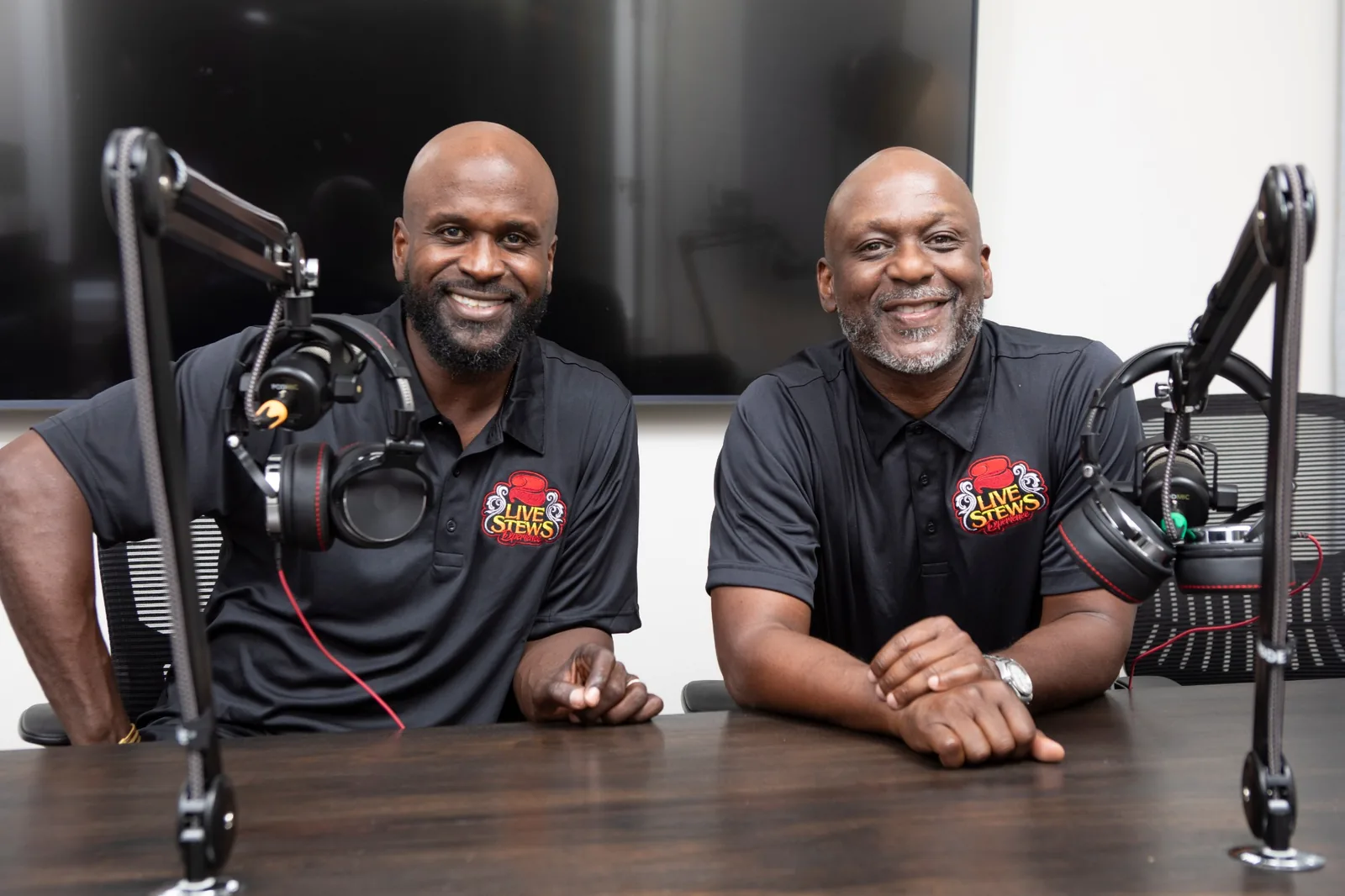
Image credit: Sports Rap Network / source-provided image
Colorado’s latest loss renewed a difficult question: when a program is struggling, how much responsibility must begin with the coach?
Deion Sanders built Colorado football into one of the sport’s most visible programs, which is why a five-game losing streak cannot be treated like background noise. The Buffaloes fell 57-34 to Oklahoma State after leading 24-23 at halftime, then surrendered 30 unanswered points in the second half. Colorado is now 2-5 overall and 0-4 in Big 12 play, a skid that has turned the spotlight from Prime’s star power to his leadership in an increasingly unforgiving era of college football.
The central concern is not that Sanders is demanding more from players. Every serious coach should. It is that, in the view of the 2 Live Stews, his public response has too often emphasized what paid players failed to do instead of what he and his staff must change. Colorado’s season has become a test of whether Sanders can pair his unmatched ability to command attention with the accountability required to steer a struggling locker room.
Colorado’s Collapse Is Bigger Than One Bad Saturday
The Oklahoma State loss was especially troubling because Colorado had put itself in position to compete. A one-point halftime lead gave the Buffaloes a chance to dictate the game’s final 30 minutes. Instead, they were overwhelmed after intermission, unable to score while Oklahoma State pulled away. That kind of reversal points beyond a single missed assignment or a bad bounce; it raises questions about adjustments, resilience and how a team responds when the game turns.
The broader run of losses makes the concern harder to dismiss. The Buffaloes have also fallen to Northwestern, Baylor, Texas Tech and Utah during the streak. The hosts argued that those results cannot simply be written off as losses to traditional powers. College football’s landscape has changed through NIL opportunities and player movement, giving more programs access to talent capable of changing a game or a season. Colorado cannot afford to approach any opponent as if history alone will determine the outcome.
Accountability Has to Start at the Top
Sanders’ passion for football is not in doubt. In a postgame clip discussed on the show, he spoke about loving the game, its life lessons and the expectation that players give it everything they have. That standard is fair. The hosts’ issue was with the repeated public emphasis on players being paid and not making plays, including the need for a quarterback who can complete passes. In their view, those comments can sound less like demanding excellence and more like passing responsibility down the roster.
A head coach has every right to challenge his team behind closed doors. Publicly, however, the message carries a different weight. The 2 Live Stews argued that the coach must lead with the acknowledgment that the program’s results begin with him. That does not absolve players of poor execution. It recognizes the fundamental order of a football program: coaches establish the plan, develop the depth chart, set the culture and make the adjustments. When the product repeatedly fails, the head coach must be visibly accountable for fixing it.
Visibility Is Not the Same as Winning
One host maintained that Colorado remains a winner in one important sense: the Buffaloes are still a national conversation even in the middle of a five-game losing streak. That is true as a measure of relevance. Programs with losing records rarely command this much daily attention. Sanders’ presence has made Colorado matter to audiences that might otherwise not track every result, press conference or personnel decision.
But relevance is only the opening act. At some point, attention without progress becomes a burden rather than an asset. The more visible Colorado is, the more closely every loss and every explanation will be examined. Sanders does not need to surrender his confidence or soften his competitive edge. He needs to show that the same force of personality that brought energy to Boulder can also produce the self-assessment, tactical correction and player development that a turnaround requires.
What It Means
Colorado’s current record does not erase Sanders’ importance to the program or the excitement he has generated around it. Nor does it mean his players should be shielded from criticism. They are participants in a modern college football economy where performance and opportunity are openly connected. Still, the head coach cannot make compensation the headline after another loss while leaving his own role in the background.
The Buffaloes’ season matters because it reveals the difference between building a brand and sustaining a football program. Sanders has already proven he can make Colorado impossible to ignore. The next leadership challenge is more difficult and more meaningful: own the slide, unify the team and demonstrate that accountability in Boulder starts with the man whose name made the program must-watch television.
Substantive update: