
Blog | Sports Rap Network
Deion Sanders Must Own Colorado’s Five-Game Slide
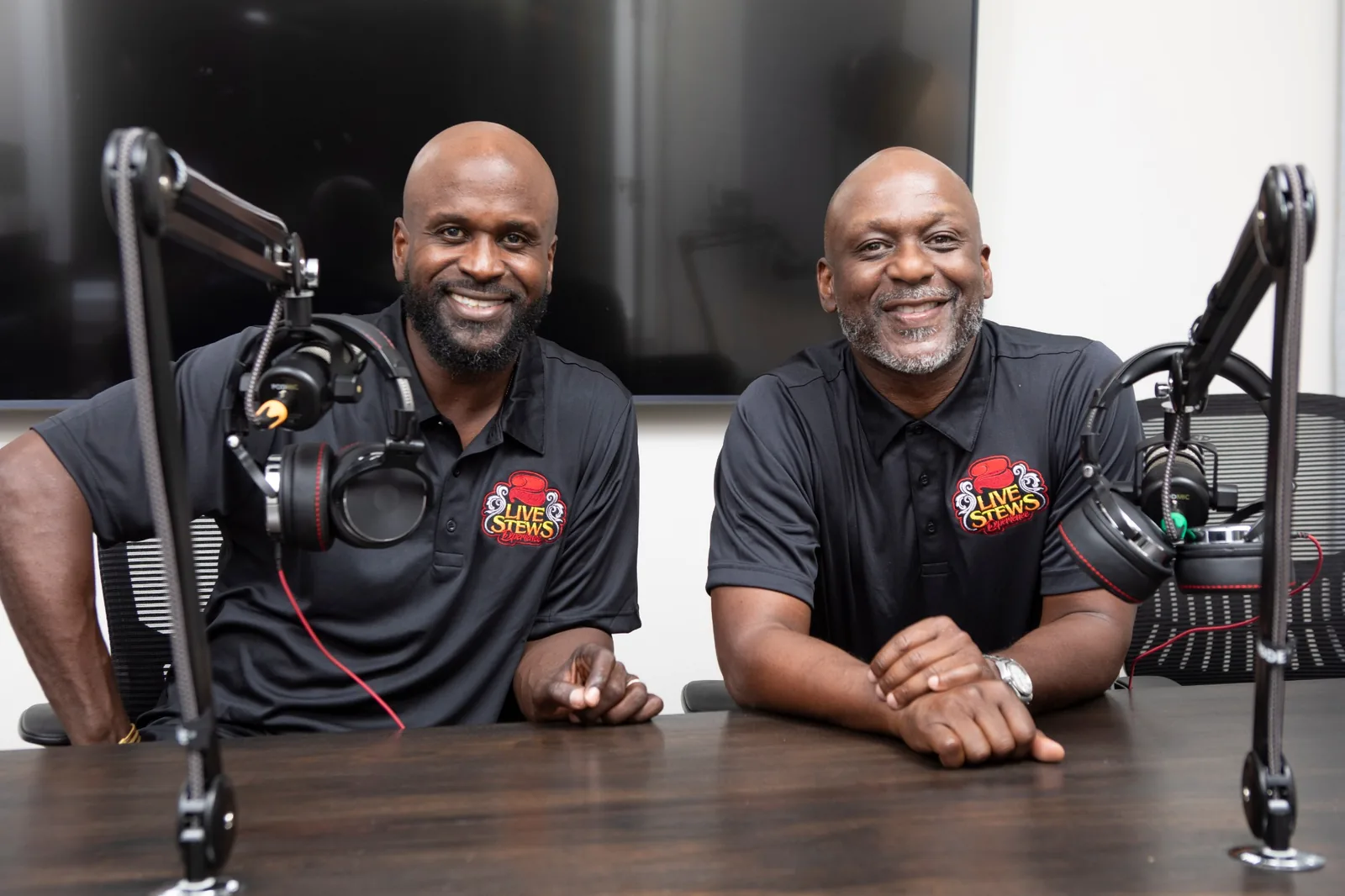
Image credit: Sports Rap Network / source-provided image
Colorado’s latest loss raised a sharper question than whether Deion Sanders will leave: Is the Buffaloes coach taking enough responsibility for a program he was hired to transform?
Colorado’s 57-34 loss to Oklahoma State was more than another ugly number on a five-game losing streak. The Buffaloes led 24-23 at halftime, then surrendered 30 unanswered points after the break. That kind of collapse naturally puts a spotlight on players, execution and depth. But it also puts an unavoidable spotlight on the head coach, especially when that coach is Deion Sanders and the program’s public expectations rose with him.
The central issue is not whether Sanders remains one of the most magnetic figures in college football. Colorado is still a conversation, even at 2-5 overall and 0-4 in the Big 12. The harder question is whether Sanders is meeting a coach’s most important obligation during adversity: publicly owning the failures of a team that reflects his leadership, preparation and decisions.
A Collapse That Demands More Than Frustration
Colorado’s second-half performance against Oklahoma State was troubling because it was so complete. A one-point halftime edge turned into a 23-point defeat after the Buffaloes failed to score in the final two quarters. The loss followed defeats to Northwestern, Baylor, Texas Tech and Utah, creating a skid that cannot be explained away as one bad Saturday or one unfortunate matchup.
The show’s hosts argued that the recent opponents are not simply the traditional powers that can overwhelm a rebuilding program with superior pedigree. That point is fair, though it deserves nuance. College football’s transfer portal, NIL era and expanded player movement have made the old hierarchy less dependable. Teams once casually dismissed as lower-tier opponents can now have enough talent, experience and cohesion to beat anybody that overlooks them.
The Coach Cannot Keep Passing the Burden Downward
What most concerned the hosts was Sanders’ apparent emphasis on what his players were not doing, including remarks about paying players and needing better quarterback play. Players now have financial opportunities, and that changes the business around college football. It does not change the fundamental responsibility of the head coach. When a team repeatedly fails to execute, the coach must first explain what he and his staff will correct.
That does not mean players should be shielded from accountability. A coach can demand more effort, better decisions and tougher performance without making his roster the public centerpiece of the blame. The strongest leaders set the standard in private, then accept responsibility in public. They say the problem starts with the staff’s preparation, game plan, development and ability to get players ready for decisive moments. Sanders needs more of that posture now.
Relevance Is Not the Same as Progress
One host maintained that Colorado is still winning a form of attention because a five-game losing streak at many programs would receive little national discussion. There is truth in that. Sanders has made Colorado matter in a media sense, and the Buffaloes remain a compelling subject because his name carries uncommon influence. Attention is an asset, particularly in an era in which programs compete for recruits, resources and visibility.
But attention cannot become the standard by which the program measures itself. Colorado was not built to be interesting only when it is struggling. The promise of Sanders’ arrival was that his stature, recruiting pull and football knowledge could produce a more competitive operation. The Buffaloes’ relevance provides time and opportunity, but it does not erase the need for visible on-field progress, disciplined football and a clear identity that can survive halftime pressure.
What It Means
Sanders should not be judged solely by a single losing streak, nor should anyone assume that Colorado’s current record means he is about to leave. The hosts strongly rejected that idea, arguing that the program’s ongoing relevance shows Sanders still has value and leverage. Their larger criticism was not about his presence in Boulder; it was about his message after losses.
Colorado needs its coach to sound like the person in charge of the solution. The Buffaloes’ next step is not another explanation of why players failed to make a play. It is a reset built on accountability, better second-half responses and a public commitment from Sanders that the standard begins with him. That is what leadership looks like when the spotlight gets hottest.
Substantive update: