
Blog | Sports Rap Network
Deion Sanders Must Own Colorado’s Losing Streak
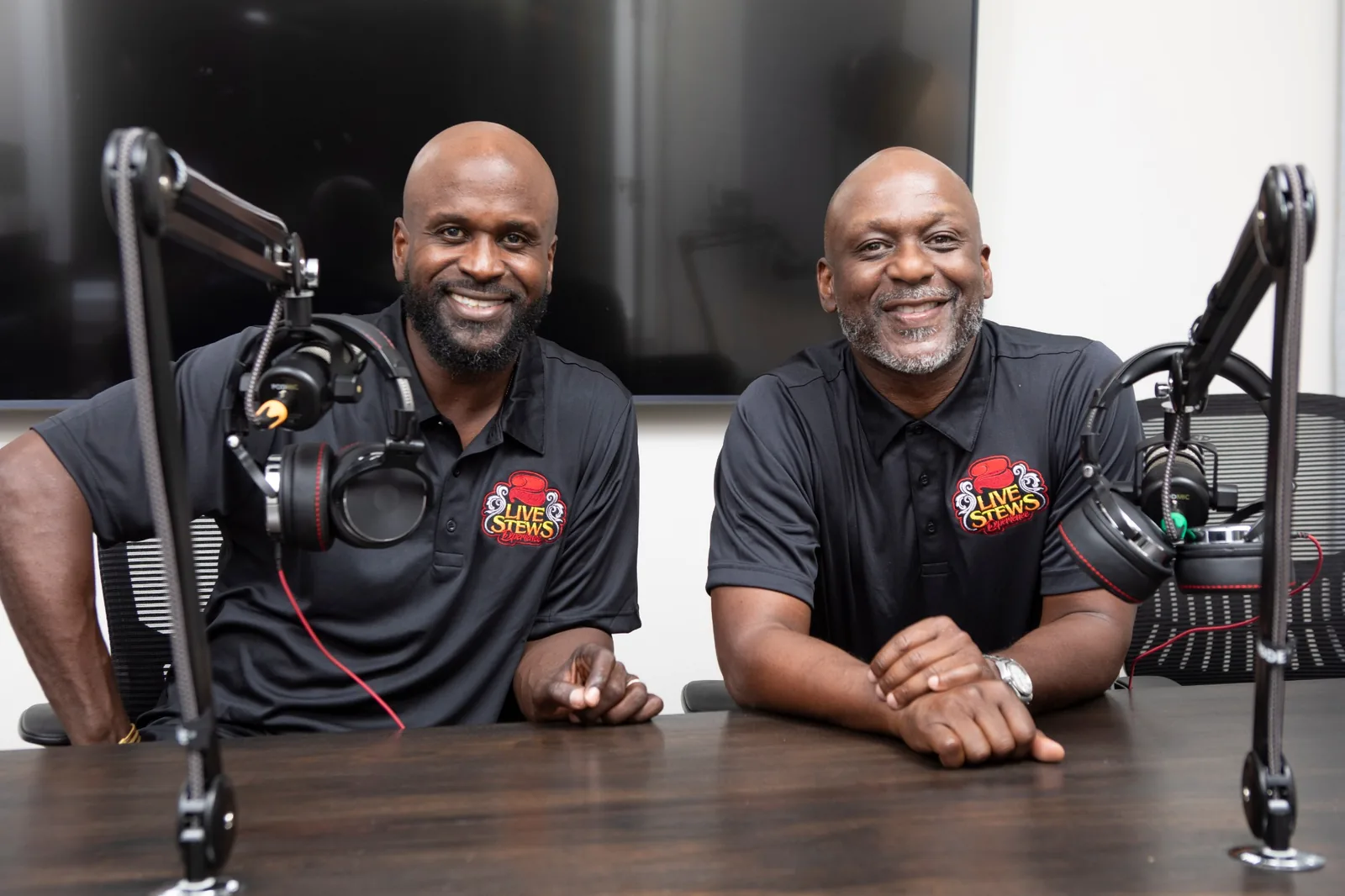
Image credit: Sports Rap Network / source-provided image
Colorado’s latest collapse has put the focus on more than execution: Deion Sanders must set an accountability standard his players can follow.
Colorado’s 57-34 loss to Oklahoma State was not simply another mark in a five-game skid. It was a collapse that sharpened the question around Deion Sanders’ leadership of the Buffaloes. Colorado led 24-23 at halftime, then surrendered 30 unanswered points after the break, turning a competitive afternoon into another sobering result for a program now 2-5 overall and 0-4 in Big 12 play.
The Buffaloes’ struggles are substantial, but the more consequential issue is the message coming from the head coach. Sanders expressed frustration over a team receiving compensation while failing to deliver the expected effort and execution. That frustration is understandable in the modern NIL era. Still, the standard for a head coach remains the same: when a team repeatedly falls apart, accountability has to begin at the top.
A Halftime Lead Became Another Warning Sign
Colorado did not walk into Oklahoma State and get overwhelmed from the opening kick. The Buffaloes had a one-point halftime lead, evidence that the game was there to be managed and won. Instead, the second half became a 30-0 Oklahoma State surge. For a team trying to establish belief, consistency and credibility, that kind of breakdown raises concerns that go beyond talent.
The recent results make the collapse harder to dismiss. Colorado has lost five straight, including lopsided defeats to Northwestern, Texas Tech and Oklahoma State, along with losses to Baylor and Utah. None of those results alone defines a season. Together, however, they point to a team that has not found a dependable identity or a response when games turn against it.
NIL Changes the Conversation, Not the Coach’s Job
Sanders is correct that college football has changed. Players are compensated, transfer movement has reshaped rosters, and programs once treated as automatic wins can now have the resources and talent to challenge anyone. The old hierarchy is not as secure as it once was, and coaches can no longer assume that reputation will carry a Saturday.
But paying players does not remove the coach’s responsibility to build discipline, develop players and create solutions. If anything, it makes leadership more important. A coach who publicly emphasizes what players are earning can sound as if he is measuring a transaction rather than directing a team. The players still need to hear that the staff will teach, adjust and own its share when the product on the field fails.
Colorado Needs a Clearer Standard of Accountability
The strongest critique from the 2 Live Stews discussion was not that Sanders should ignore poor performances or pretend Colorado is close to where it needs to be. It was that he must avoid passing the blame. The hosts argued that a head coach in this position should lead with the idea that the problem starts with him, because his role is to determine why players are not making the necessary plays and to fix it.
That does not excuse athletes from preparation or performance. Colorado needs quarterbacks to complete passes, defenders to make stops and the entire roster to compete with greater consistency. Yet players will take ownership more readily when the staff models it. The head coach sets the emotional temperature after a defeat. When he owns the failure first, he creates room for honest correction instead of a public search for culprits.
What It Means
Sanders remains one of the most compelling figures in college football, and Colorado still commands attention even during a losing streak. That visibility is not nothing; most struggling programs are ignored. But attention is not the same as progress, and relevance cannot become the fallback argument when the losses continue to pile up.
Colorado’s next step is not a better explanation of what went wrong. It is a better response. Sanders has built his career on confidence, standards and preparation. This is the moment to apply those principles inward, make accountability unmistakable and give a frustrated roster a model of leadership worth following.
Substantive update: