
Blog | Sports Rap Network
Michael Penix Jr.’s Health Has Falcons at a Franchise Crossroads
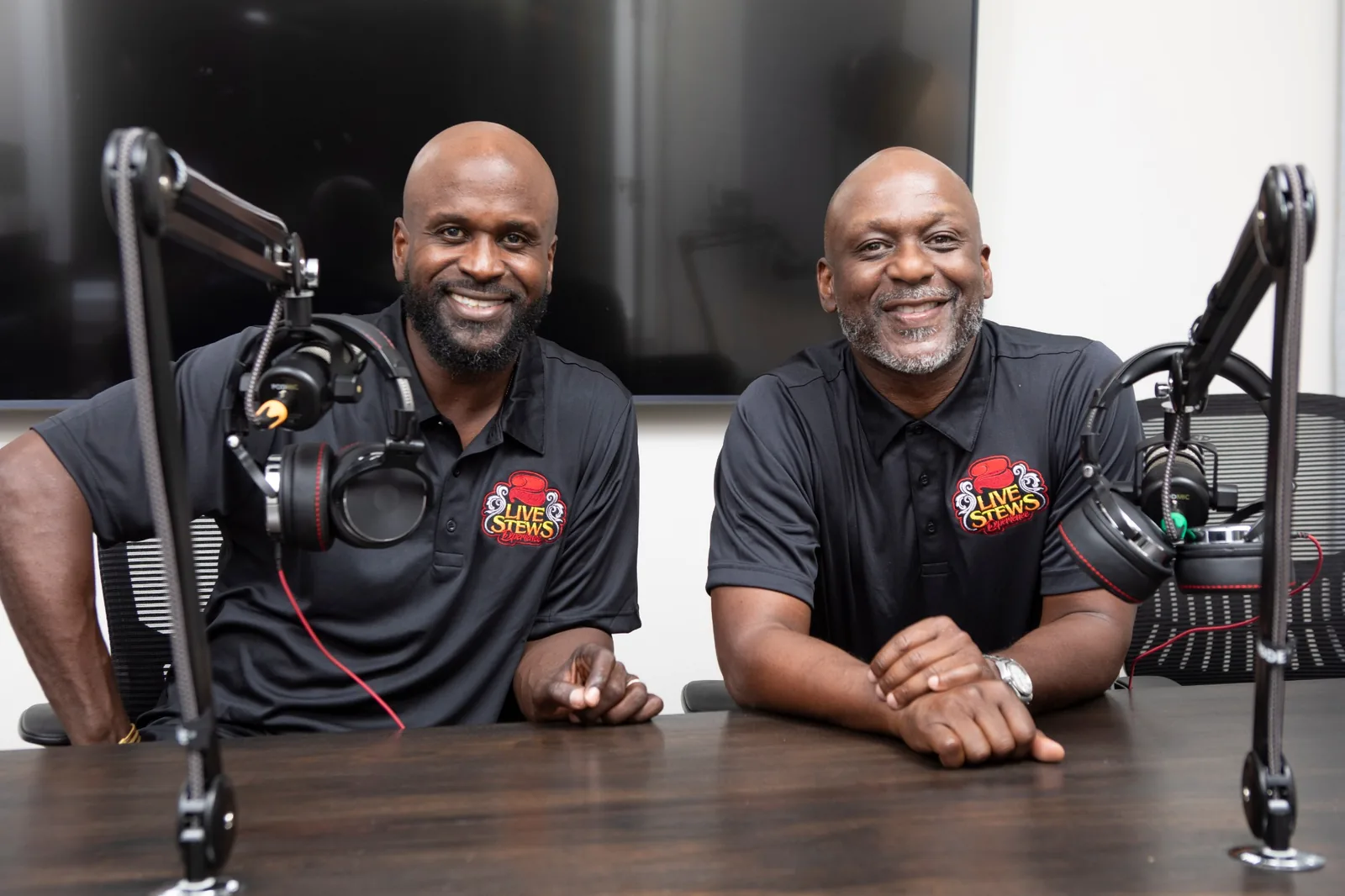
Image credit: Sports Rap Network / source-provided image
Penix has the arm talent Atlanta needs, but another injury scare has sharpened the question of whether the Falcons need a stronger quarterback safety net.
Michael Penix Jr. remains the Atlanta Falcons’ most important variable—and their most troubling one. The talent is not in dispute: Penix has shown the high-end arm strength and accuracy to make Atlanta’s offense dangerous when he is upright and operating comfortably. But a rib injury that forced him from the Falcons’ loss to Baltimore has once again pushed a difficult question to the front of the organization’s future: How long can a franchise build around a quarterback whose availability keeps becoming the story?
The concern is bigger than one painful hit or one week of uncertainty before a game against Chicago. On 2 Live Stews, the debate centered on Penix’s lengthy record of season-ending injuries, his recent ACL issue with Atlanta and the reality that the Falcons’ offense changes dramatically without him. The argument was not that injuries are a moral failing. It was that NFL teams cannot afford to treat quarterback depth as an afterthought when so much of their investment depends on one player being able to finish the season.
The Talent Is Clear, but So Is the Anxiety
Penix has given supporters legitimate reasons to believe. The hosts noted that he looked dominant in two games after returning and described him as a quarterback with a “rifle” for an arm. They also credited his ability to make the throws required of an NFL starter. With playmakers such as Bijan Robinson, Drake London and Kyle Pitts around him, the appeal is obvious: Atlanta has the kind of offensive foundation that can look formidable when its quarterback is healthy and confident.
That is precisely why each hit now carries so much tension. One host described tensing up whenever a defender gets near Penix in the pocket, while another recalled fearing a knee injury when Penix stayed down following the rib injury against Baltimore. The concern is not simply whether Penix can play through pain this week. It is whether a team with major offensive investments can keep living from injury update to injury update, hoping its quarterback avoids the next collision.
Penix’s History Demands a Real Contingency Plan
The discussion pointed to a sequence that makes the concern impossible to dismiss: a torn right ACL in 2018, a fractured collarbone in 2019, another torn right ACL in 2020 and a separated AC joint in his throwing shoulder in 2021. After a four-year stretch without health issues, Penix then suffered an ACL injury with the Falcons in 2025 before leaving the Baltimore game with injured ribs this season. The show’s hosts repeatedly used the term injury-prone, while acknowledging that the Falcons knew his medical history when they selected him.
That prior knowledge does not eliminate the need for a new answer. The central question raised was whether Atlanta should draft a quarterback in the upcoming draft, especially if a highly regarded prospect is available in the middle or late portion of the first round. Another possibility mentioned was acquiring a veteran with starting-level ability. Either route would mean accepting a hard truth: Penix can still be the preferred starter while the Falcons simultaneously protect themselves against the possibility that he cannot be their only plan.
The issue becomes even more urgent because the hosts saw a steep drop-off behind Penix. They argued that Atlanta’s chance against Chicago would be dramatically lower without him and said the same concern would extend into a matchup with San Francisco. A roster cannot operate as if its starter’s absence is unthinkable when injuries have already made that absence a recurring possibility. For Atlanta, quarterback insurance is no longer a luxury or an insult to Penix. It is basic roster management.
Availability Is the Standard That Ultimately Matters
One of the show’s most pointed observations came from a former player’s perspective: fans may sympathize with injuries, but they judge the product on Sundays. They do not experience the rehab, pain management or emotional toll that players endure. They want the best player on the field when the game begins. That can sound cold, particularly in a sport as violent as football, but it captures the professional stakes facing Atlanta as it weighs loyalty to Penix against the need to keep its season intact.
The hosts also challenged the idea that protecting Penix is only about improving the offensive line or asking him to stay in a clean pocket. NFL quarterbacks do not get clean pockets every week. Edge rushers close quickly, and Penix has to withstand the normal punishment of the position. They questioned his ability to slide or get down safely when he runs, noting that he has taken hits in situations where a quarterback might otherwise protect himself. Those are not minor details when rib injuries, knees and shoulders have already shaped so much of his football journey.
What It Means
Atlanta does not need to abandon Penix, and nothing in his arm talent suggests the Falcons should stop believing he can be a successful starter. He has already shown stretches of the football that made him a high draft pick. But belief without preparation becomes wishful thinking, especially at the sport’s most consequential position.
The Falcons’ next move should reflect both parts of the Penix reality: he may be good enough to lead the franchise, and he may be too medically uncertain to lead it without an experienced or highly drafted alternative behind him. That is not a verdict on his toughness. It is an acknowledgment that availability, not potential alone, will determine whether Atlanta’s quarterback plan can hold up when the season gets hard.
Substantive update: