
Blog | Sports Rap Network
Jalen Hurts Deserves a Fuller Comparison to Peyton Manning
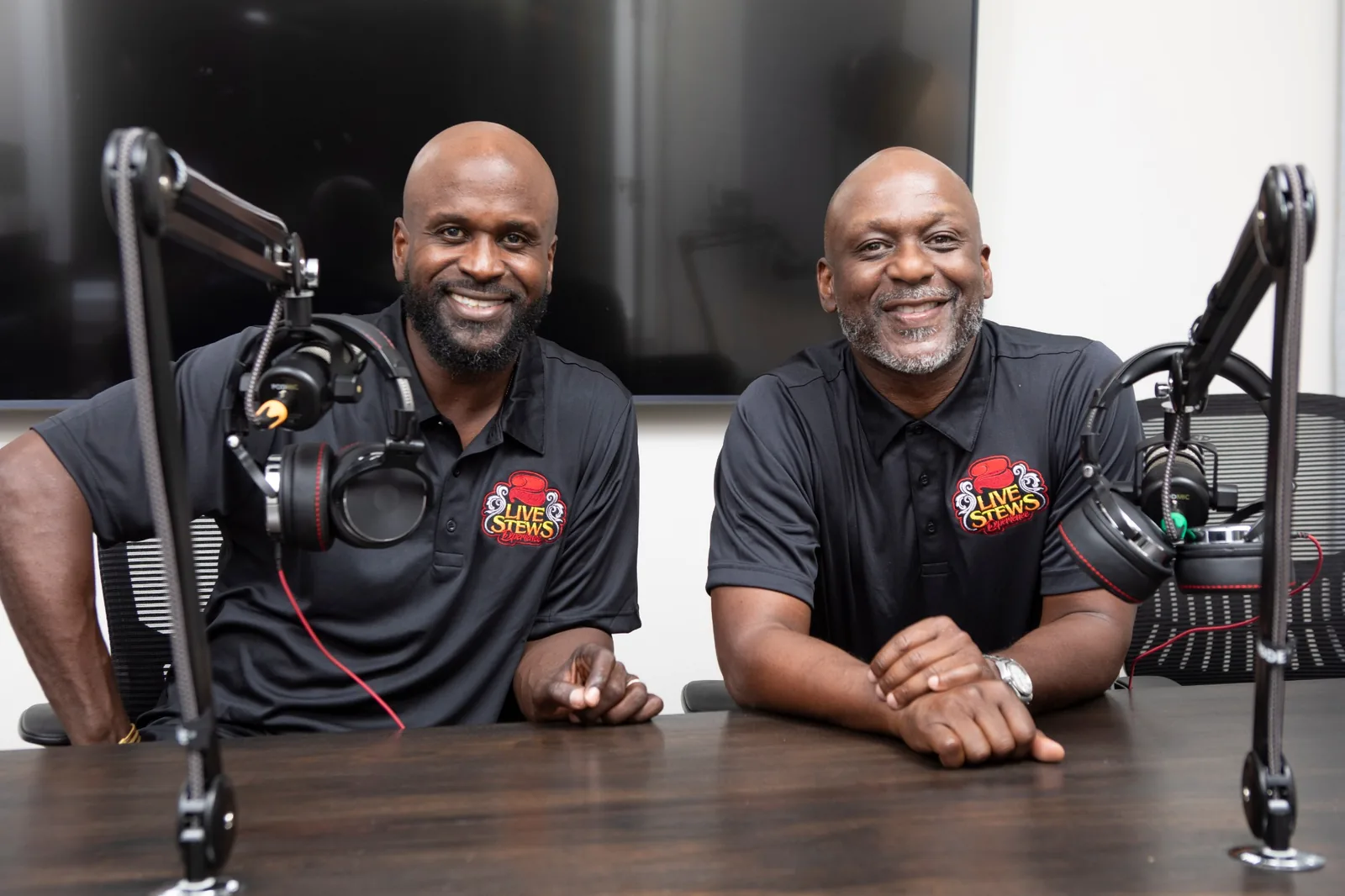
Image credit: Sports Rap Network / source-provided image
The argument is not that Hurts has surpassed Manning’s legacy. It is that quarterback evaluation still too often treats elite rushing as a side note instead of a winning asset.
Jalen Hurts versus Peyton Manning is the kind of comparison that can get careless in a hurry. Manning’s career accomplishments, command of a passing offense and standing in football history are not up for casual dismissal. But comparing where each player stood at a similar point in his career is a different conversation—and one that demands more than simply counting passing yards and treating everything else as decoration.
That distinction was at the center of a sharp debate on 2 Live Stews, where the hosts disagreed on whether Hurts was already equal to or ahead of Manning at the same career stage. One host called that conclusion indefensible. The other argued that Hurts’ overall impact, including his rushing production and Super Bowl MVP résumé, makes the comparison far closer than traditional quarterback standards allow. The larger issue is how football continues to define quarterback value.
## The Rushing Debate Is Really About Quarterback Value
For years, “dual-threat quarterback” carried baggage. It was often used as a polite way to question whether a quarterback could become a reliable passer, process defenses from the pocket or lead a conventional offense. The label did not always describe a strength; too often, it was treated as a limitation waiting to be exposed.
That framing has changed as NFL teams increasingly pursue quarterbacks who can stress defenses with both their arms and their legs. Yet the old habits remain when fans compare players across eras. Rushing yards, rushing touchdowns and the pressure a mobile quarterback puts on a defense can be minimized as though they are separate from quarterback play instead of central to it. Hurts’ value cannot be measured honestly if the plays he creates with his legs are discounted before the discussion begins.
## Hurts and Manning Played Different Kinds of Football
The show’s skepticism toward the comparison rests on a reasonable foundation: Manning was the centerpiece of a passing offense in Indianapolis, and his running game included Edgerrin James. Manning’s greatness was built on reading defenses, distributing the football and controlling games through the pass. Judging him primarily through a modern dual-threat lens would miss what made him special.
But the reverse is equally true. Philadelphia is not presented in the source discussion as a pass-first replica of Manning’s Colts, and Hurts should not be evaluated as though he is supposed to be Manning. His rushing production is not a bonus feature attached to his quarterbacking; it is part of the offensive identity and part of the problem defenses must solve. A quarterback who can alter short-yardage situations, red-zone math and pass-rush discipline has added a layer of value that traditional passing comparisons do not fully capture.
## The Eye Test and the Numbers Need Each Other
The most revealing part of the debate was not the Manning-Hurts argument itself, but the disagreement over evidence. One host leaned first on the eye test, saying he did not need a statistical chart to recognize Hurts as at least Manning’s equal at that point. The other pushed back, noting that numbers matter, particularly when the game itself is built around production and results.
Both positions have a useful warning. Numbers can be selectively used to win an argument, especially when context is stripped away. But the eye test can also become a shield against information that complicates a preferred conclusion. Quarterback evaluation is strongest when it respects both: what a player looks like in critical moments, what responsibilities he carries, how he affects the defense and what the measurable output says over time. The mistake is not using numbers or film. The mistake is deciding in advance which evidence counts.
What It Means
Hurts does not need to be declared greater than Manning to make the broader point. A fair career-stage comparison must account for every way a quarterback creates winning offense. Passing production matters enormously, but so do rushing touchdowns, designed runs, escapes from pressure and the leverage a quarterback’s mobility creates for everyone else on the field.
The dual-threat conversation has evolved because the sport has evolved. Teams now draft and build around quarterbacks who can beat defenses in multiple ways. If mobility is valuable enough to be a priority on draft day and a foundation of modern offensive design, it is valuable enough to receive full credit when Hurts—and quarterbacks like him—are measured against the past.
Substantive update: