
Blog | Sports Rap Network
Michael Penix Jr. Should Not Be Rushed Back for Falcons
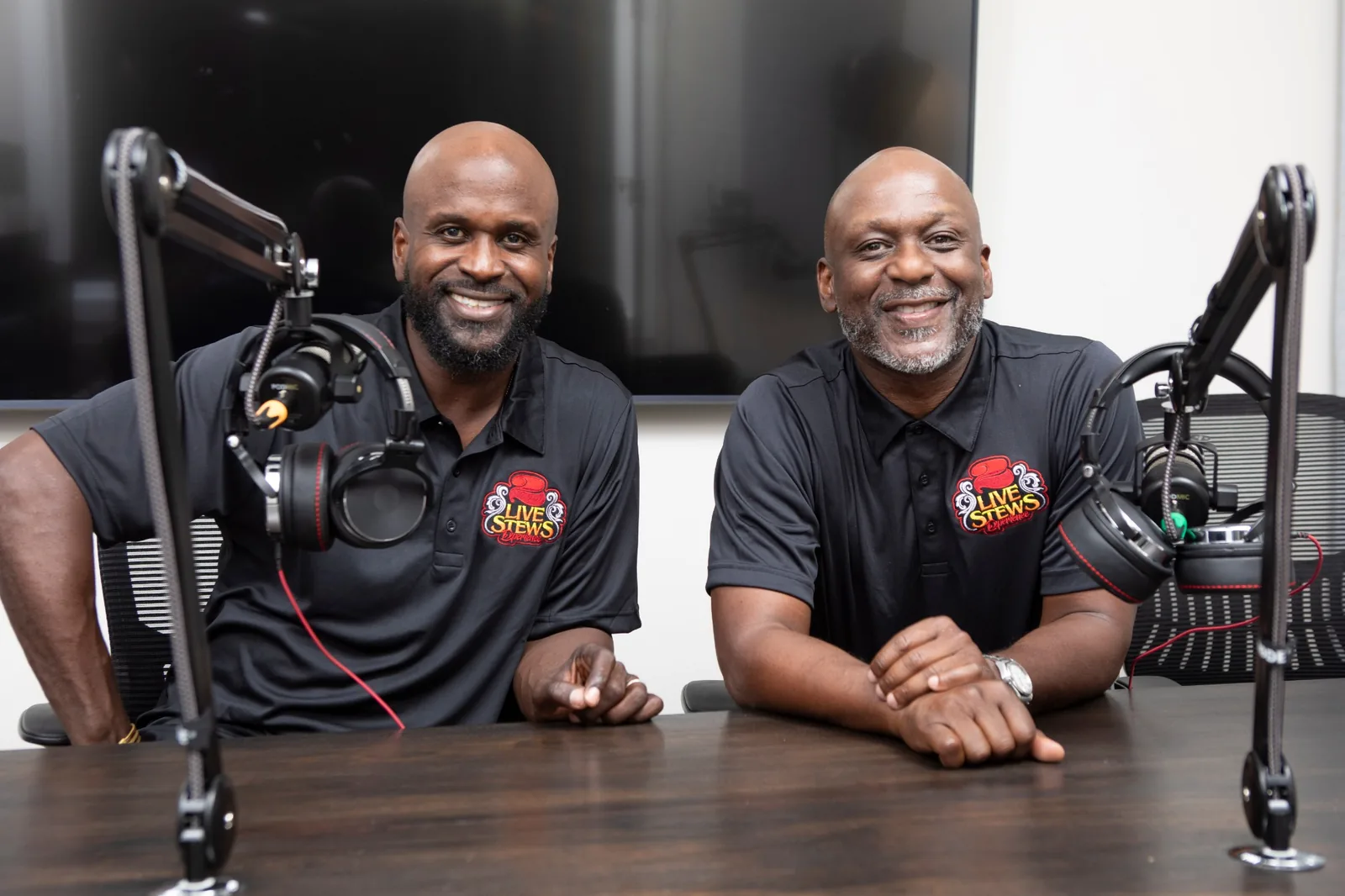
Image credit: Sports Rap Network / source-provided image
The Falcons need answers at quarterback, but Penix’s complicated knee history makes patience more valuable than a premature return.
The Atlanta Falcons have a quarterback problem entering their game against Carolina, but the most important part of the Michael Penix Jr. conversation is not whether fans are tired of waiting. It is whether the organization can protect the long-term future of a player recovering from a third ACL injury while still trying to survive the immediate pressure of an NFL season.
Penix has said he is close but is not ready to return following the left ACL tear he suffered in November 2025. That uncertainty has become more glaring after Patrick Mahomes returned from an ACL injury that occurred after Penix’s. The comparison is understandable in a league built on results, but it is also incomplete. ACL recoveries are not interchangeable, and Penix’s medical and psychological reality deserves more than a calendar-based judgment.
A Third ACL Injury Changes the Entire Calculation
The instinct to measure Penix against Mahomes comes from the timeline. Mahomes tore his ACL in December 2025 against the Los Angeles Chargers, roughly a month after Penix was injured against Carolina, and he has already returned to the field. But Penix is not coming back from the same circumstance. This is his third ACL surgery, and he has torn both knees, meaning one knee has now required a second repair.
D. Orlando Ledbetter, who has covered the Falcons for more than two decades, reported that Penix recently explained the injury involved more than an ACL. According to Ledbetter, Penix said both patellar tendons were gone and that surgeons used a quad graft and a lateral extra-articular tenodesis graft to stabilize the knee. That context makes the nine-to-12-month recovery window more meaningful than a simple comparison to another quarterback’s return date.
The Mental Recovery Is Part of the Recovery
Football culture has long celebrated the player who limps back into the huddle and plays through pain. That standard is powerful, but it can become careless when it ignores trauma. A player who has endured multiple major knee injuries is not merely rebuilding strength; he is rebuilding trust in his own body. Penix must eventually run, absorb contact, slide and plant without his mind warning him that the same motion could take away another season.
The hosts framed that reality clearly: Penix may need one or two clean games in which he moves freely, gets hit and realizes he is all right before he can play without hesitation. That does not make him weak or uncommitted. It recognizes that confidence cannot be installed on a timetable. A quarterback who subconsciously protects his knee is at risk of altered mechanics, late decisions and another injury caused by compensating for what he fears.
The Falcons Created an Uncomfortable Roster Problem
Compassion for Penix does not erase the Falcons’ operational dilemma. Ledbetter noted that the club could have used short-term injured reserve if it knew Penix would not be ready for the opening stretch. Instead, Atlanta is using an active-roster spot on a quarterback who has been unavailable on game day, while its alternatives remain uncertain.
Cooper Rush started in the Falcons’ 20-13 loss to Pittsburgh and, according to the discussion, had limited time to work with the first team before the game. Ledbetter said Rush and Penix split first-team practice reps, while Jack Strand has been running the scout team rather than preparing as the next man up. That means Strand may intrigue fans as an unknown developmental quarterback, but Atlanta is not treating him as a ready-made solution. If he is forced into meaningful action, the Falcons would be improvising.
Carolina Is a Test of Discipline, Not Desperation
The Panthers game carries real stakes because an 0-2 start can turn a season into an uphill chase. The Falcons need more from their offense after scoring only 13 points against Pittsburgh, and they need to get Bijan Robinson, Drake London and Kyle Pitts into a consistent flow. They also need to find a functional quarterback plan, especially if Penix remains unavailable.
But urgency cannot become a reason to rush the franchise quarterback into a situation he has publicly said he is not ready to handle. Penix is still on his rookie contract and, as the No. 8 overall pick, carries enough organizational value to have a voice in his recovery. The Falcons must separate what would help them this Sunday from what gives Penix the best chance to become the player they drafted him to be over the life of his career.
What It Means
The strongest criticism of Penix is not that he needs more time. It is that publicly detailing his pain and uncertainty can make him appear less secure as the face of the franchise. The hosts argued he should be more guarded in how he discusses the situation, and that is a fair leadership question in a league that scrutinizes every sign of vulnerability.
Still, the Falcons should not confuse better messaging with a mandate to play. Penix’s return must be based on medical readiness, football readiness and personal confidence—not on Mahomes’ timeline, fan anxiety or the panic of a potential 0-2 record. Atlanta needs a quarterback answer, but it cannot afford to create a bigger problem by demanding one before Penix is truly ready.
Substantive update: