
Blog | Sports Rap Network
Travel Sports Keep Exposing the Black Fatherhood Myth
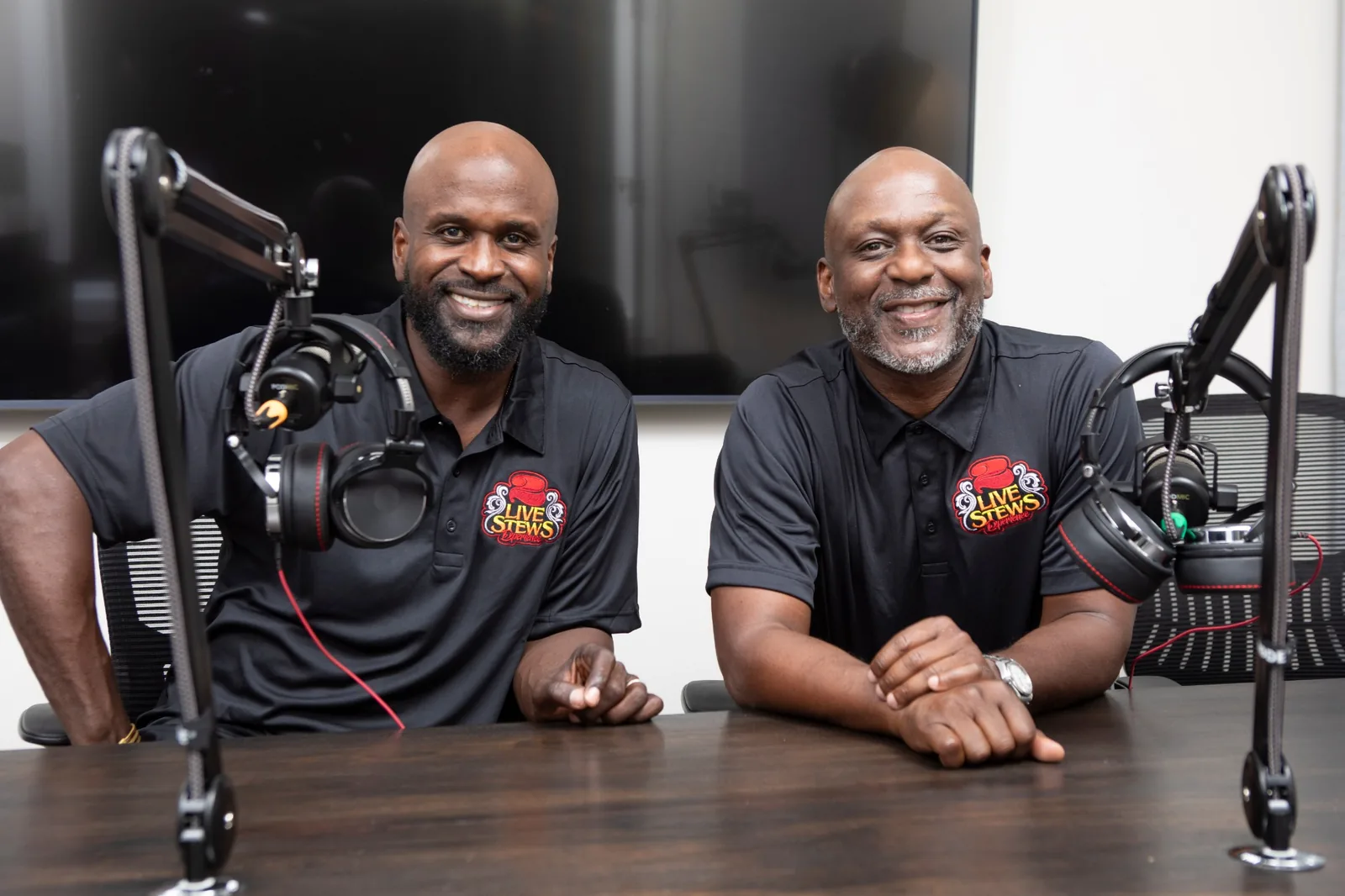
Image credit: Sports Rap Network / source-provided image
The fathers filling travel-ball sidelines, coaching youth teams and mentoring children offer a daily rebuke to one of America’s most persistent false narratives.
The lie is harder to maintain when you spend a Saturday at a travel baseball field or a Sunday on a youth soccer sideline. Black fathers are there: hauling equipment, organizing rides, studying the action, paying for the commitment, coaching teams and making sure their children know they are supported. Their presence is neither unusual nor new, but it continues to collide with a stubborn public narrative that treats Black fatherhood as synonymous with absence.
That contradiction surfaced in a message from a father involved in travel baseball, who described the number of fathers at games as “next level.” The response was direct: the myth of the absent Black father ignores the countless Black men actively raising, loving, protecting, coaching and supporting their children. Youth sports is one place where that truth is visible in plain sight, but its meaning reaches far beyond the scoreboard.
The Sideline Tells a Different Story
Travel sports demand far more than a quick appearance on game day. Families are up early, travel long distances, manage schedules and absorb the costs and responsibilities that come with competitive youth athletics. One of the show’s hosts had travel soccer commitments in Columbus and Cumming, Georgia, on consecutive days. That kind of involvement is a practical picture of parenting: showing up repeatedly, even when the drive is long and the day begins before sunrise.
For many Black fathers, that commitment is also familiar from another era. The hosts recalled growing up with fathers who traveled for work yet still made practices and games. They remembered Black men serving as head coaches across a large share of youth football teams. The point is not that every family shares one experience. It is that the blanket assumption of Black paternal absence has always failed to account for the communities where fathers have consistently been present and engaged.
Coaching Is a Form of Fathering
The work does not end with a man’s own child. The conversation stressed a broader form of fatherhood rooted in love, mentorship and responsibility for young people who need guidance. One host described doing that work for more than three decades, while also recognizing friends who have coached and served youth in their communities for 25 or 30 years. Those men are helping children learn structure, confidence and accountability in settings where those lessons can shape a life.
That is why sports matter as a community institution. A coach may be teaching blocking, tackling or footwork, but he is also modeling consistency. A mentor who expects a young person to arrive prepared is reinforcing standards that carry into school, work and family life. The phrase offered during the discussion captures the stakes: what young people see is what they may become. When they see Black men lead with discipline, care and investment, it expands their understanding of manhood and possibility.
Visibility Should Change the Conversation
The fathers at youth games should not have to perform their involvement for public approval. Parenting is not a public-relations campaign, and a dad coaching third base or standing near the soccer touchline is not looking to settle a cultural debate. Still, the visibility matters because false narratives thrive when people refuse to acknowledge evidence directly in front of them. Travel teams, recreation leagues and school programs provide that evidence every weekend.
The better response is not to pretend every household has the same resources or faces the same challenges. It is to reject the lazy habit of treating Black families as a deficit story. Fathers who are raising children, mothers who are carrying families, coaches who are mentoring players and communities that support young people all deserve to be recognized in full. Broad stereotypes erase that work, and they can distort how institutions, media and even young people understand Black family life.
What It Means
Youth sports will always be about competition, development and the joy of watching children grow. But the parking lots, practice fields and tournament weekends also reveal something more important: Black fathers are deeply invested in their children and their communities. They are present in ways that are routine to the families living it, even if those realities have too often been ignored elsewhere.
The lesson is simple. Stop repeating a myth that is contradicted by lived experience every day. Look at the dads coaching, mentoring, driving, encouraging and protecting the next generation. Their work is not a surprise story. It is a legacy story, and travel sports is helping make that legacy impossible to deny.
Substantive update: