
Blog | Sports Rap Network
NFL-to-College Return Rule Is About Control, Not Amateurism
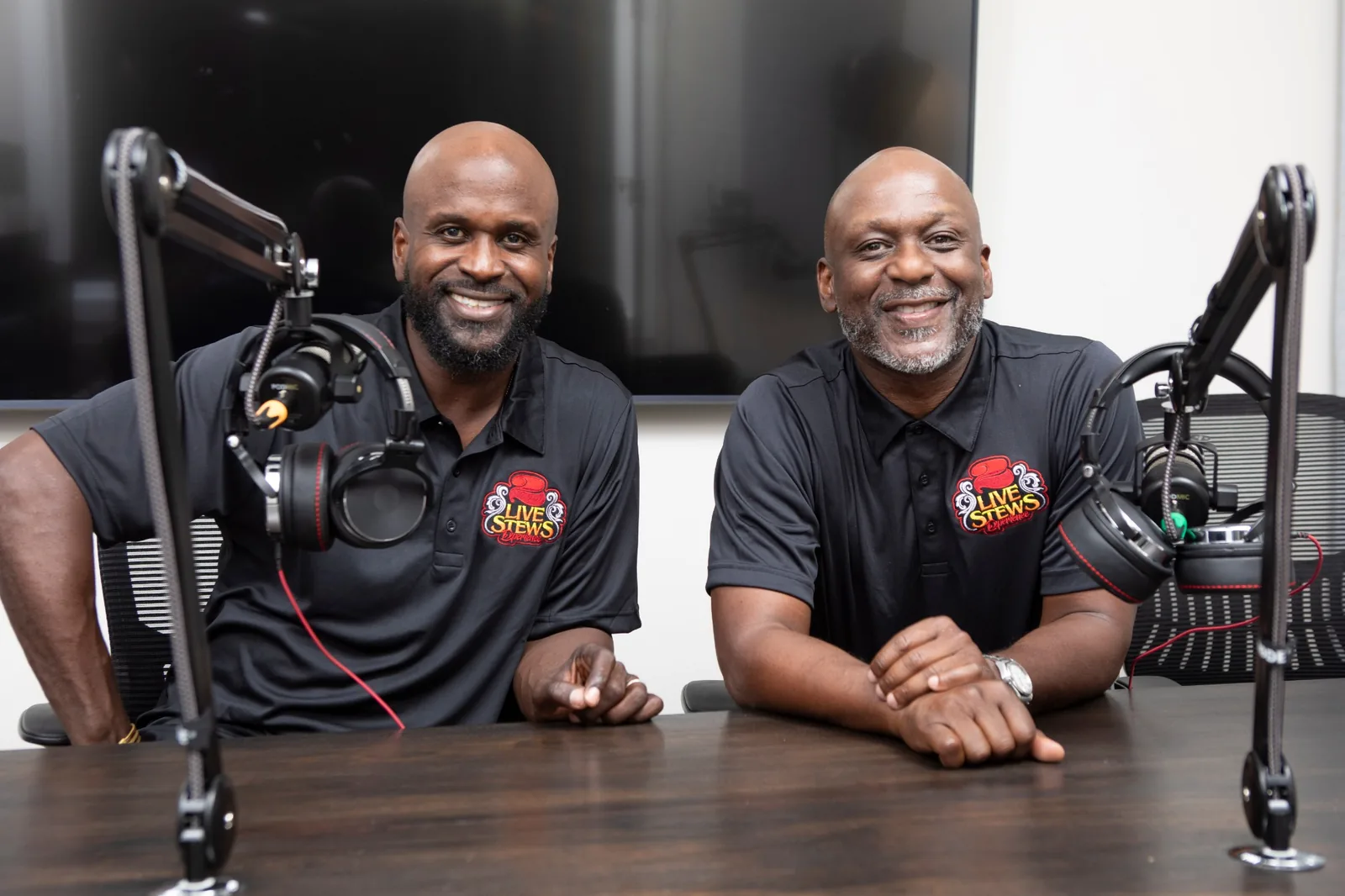
Image credit: Sports Rap Network / source-provided image
The 2 Live Stews argue that players who never make an NFL roster should be able to return to school, use their remaining eligibility and pursue education, development and NIL income.
College football’s rapidly changing labor model has produced another fight over who gets to control an athlete’s future. The immediate question is narrow: Should a player who signs an NFL contract, fails to make a roster and still has NCAA eligibility be allowed to return to college football? But the argument reaches far beyond a small number of players trying to find a second chance.
On the 2 Live Stews Experience, Ryan and Doug Stewart saw the NFL’s reported warning against moving back and forth between the NFL and college during the same season as a favor to college administrators. Their position was direct: if a player never makes an NFL roster and retains eligibility, there is little practical or moral basis for blocking that player from returning to campus.
A second chance should not be treated like a loophole
The Stews’ central point is that an unsigned or cut player is not meaningfully established as an NFL professional simply because he entered a camp or signed an initial contract. Doug Stewart framed it plainly: a player who has not made a roster, collected a roster check or secured a practice-squad role has not truly begun an NFL career. If that player has eligibility left, returning to college can provide another year of coaching, competition and visibility.
That return also can restore options that disappear quickly after a failed professional attempt. A player may earn NIL income, complete degree requirements and develop enough to create another chance at professional football. The alternative may be limited pay while trying to hang onto the edge of an NFL opportunity. The hosts questioned why anyone would insist that a young man give up an available education and a potentially stronger financial path simply because his first pro tryout did not work out.
The amateurism argument no longer fits the reality
Ryan Stewart challenged the continued use of “amateurism” as the catch-all defense for restrictions on athletes. In its traditional sense, amateurism describes participating for pleasure rather than payment. That description no longer captures a college landscape in which athletes can receive NIL compensation and move through a transfer system that has already reshaped recruiting, roster management and player leverage.
The hosts did not argue that every rule must disappear overnight. They argued that the old language cannot be used selectively to restrict players while schools, conferences and administrators operate in a major-revenue environment built on athletic labor. Their larger concern is that amateurism has too often been used as a respectable-sounding shield for denying athletes the kind of choices routinely available to coaches and administrators.
Coaches have long been allowed to move freely
The Stews pointed to Nick Saban and Lane Kiffin as examples of the double standard. Both coaches moved from college football to the NFL, found that the professional setting did not work as hoped, and returned to college football. Their returns did not end their careers; they were opportunities to reset, regain control and continue earning at a high level.
That comparison is not about equating a coach’s contract with a player’s eligibility. It is about exposing who receives flexibility when a career move fails. Coaches can change leagues, take new jobs and negotiate better pay without being told they have permanently surrendered the right to return. The hosts believe players deserve comparable freedom when they have remaining eligibility and have not secured a lasting place in the NFL.
The high school roster concern is real, but limited
The strongest objection raised during the discussion was the possibility that returning players could take opportunities from incoming high school recruits. The Stews acknowledged that concern, but viewed it as insufficient to justify a broad restriction. College football’s current structure already makes roster opportunities fluid, with players transferring and programs adjusting constantly to talent, need and available scholarships.
More importantly, the hosts expect the number of NFL-to-college returnees to be small, not hundreds of veterans flooding rosters. These would be exceptional cases involving players with eligibility who did not make it professionally. A younger player might face greater competition, but competition is already central to college football. If the younger player is ready, he can compete; if not, he can develop, seek another program or wait for his opportunity.
What It Means
The NFL’s effort to prevent an in-season bounce from college back to the league may be understandable as a scheduling and roster-management issue. But that does not answer the larger question raised by the Stews: why should a player who never made an NFL roster be barred from returning to school when his eligibility remains intact? Saying it is simply “not right” is not a sufficient explanation.
The better standard is player choice. Let athletes make informed decisions for themselves and their families, just as coaches do. If a player’s NFL bid falls short, college football should not be a locked door. It should be a legitimate path back to education, income, training and the next opportunity.
Substantive update: