
Blog | Sports Rap Network
Big Ten and SEC Rule Raises a Hard Question: Why Can Coaches Leave, but Players Cannot Return?
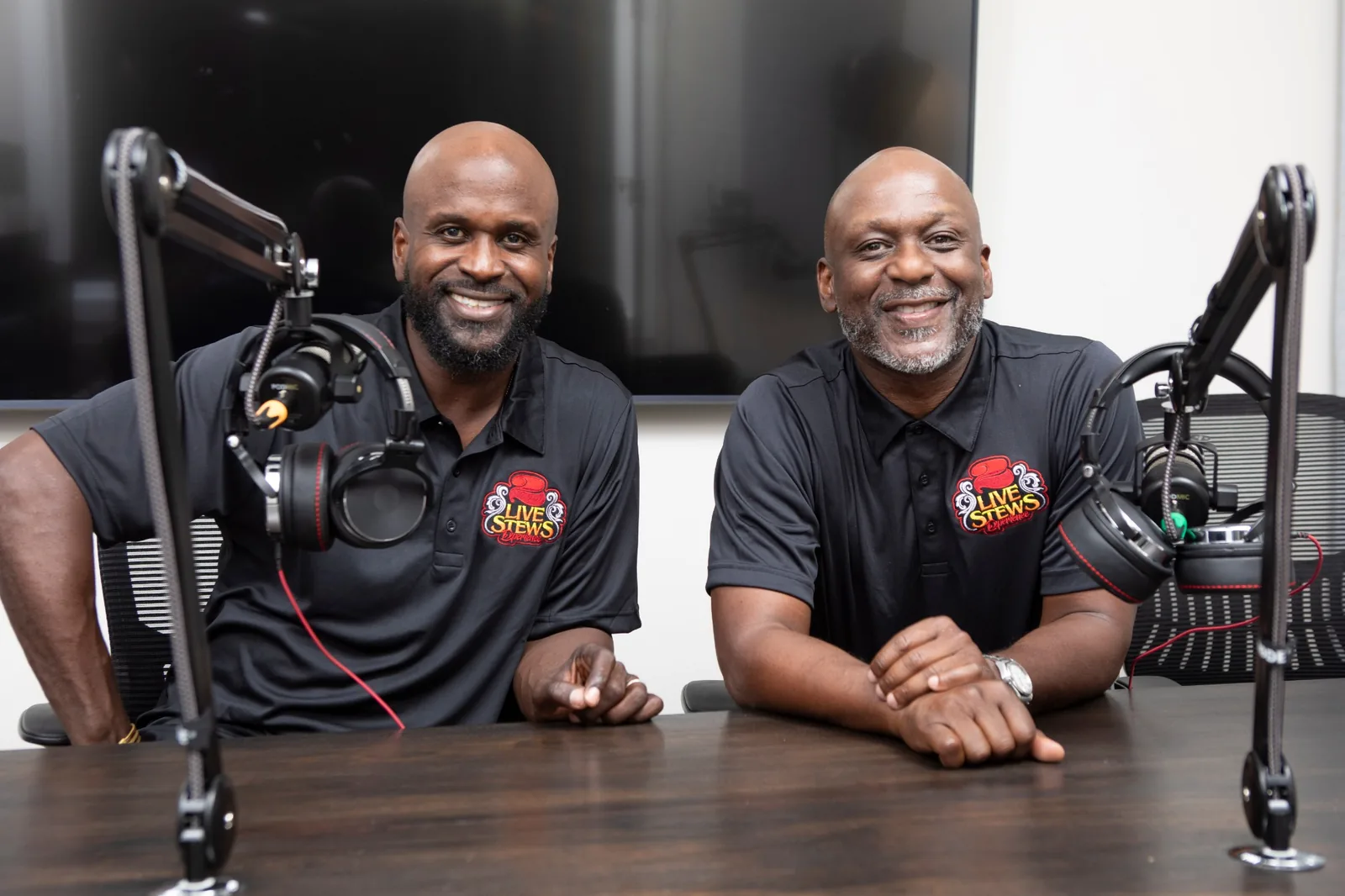
Image credit: Sports Rap Network / source-provided image
The 2 Live Stews challenged a new conference restriction that blocks some former pro players from returning to college football, arguing that the rule exposes college sports' unequal standards for career mobility.
College football has spent years telling athletes to bet on themselves, pursue opportunity and prepare for life after the game. But the Big Ten and SEC have now drawn a hard line for certain players who try to follow that advice, leave for professional football and later seek a path back to school.
On 2 Live Stews, the hosts saw the conferences' new restriction as more than a technical eligibility policy. To them, it is a revealing test of who gets to make business decisions in college athletics, who gets second chances and who is expected to live by rules that powerful coaches have never had to follow.
A Rule That Closes the Door
The Big Ten and SEC unanimously adopted a rule barring certain former professional players from returning to play football at their schools. As described on the show, the restriction covers players who sign a professional contract, appear on a professional roster or declare early for the NFL draft without withdrawing. The rule can apply even if a player never appears in an NFL regular-season game.
That last point is where the Stews found the policy especially difficult to defend. They discussed the case of a player who pursued an NFL chance, did not make a roster and did not get the on-field professional opportunity he was seeking. In their view, a player in that position should be able to return to school, continue toward a degree, sharpen his game and attempt to improve his future prospects. Instead, the new rule can turn one unsuccessful professional tryout into a permanent barrier.
The Unequal Standard for Career Advancement
The hosts' central objection was not that college football needs no guardrails. Their objection was the imbalance in who is permitted to move freely. Coaches have changed jobs for decades, often leaving players and programs behind for more money, more authority or a better chance to win. Nobody frames those moves as a moral failure; they are routinely called career advancement.
The Stews pointed directly to Lane Kiffin as an example of the contradiction. They noted that he left a program during a national-championship pursuit for a new job and greater opportunity, yet he supported the restriction on players returning from pro football. The contrast, in their eyes, is unmistakable: adults in headsets are celebrated for maximizing their value, while young men in helmets are punished for trying to do the same. That is why the hosts rejected the familiar language of amateurism as a neutral principle.
Eligibility Should Have a Consistent Meaning
The show also questioned why eligibility rules seem to bend differently depending on the player and the circumstances. The hosts contrasted players attempting to return after a brief NFL opportunity with veteran college players who remain eligible across multiple coaching changes and several seasons. Their point was not that experienced players should be excluded. It was that the system needs a logic fans can recognize as consistent.
If a player has remaining eligibility, has not built a lengthy professional career and wants to resume his education, the Stews believe the burden should be on the conferences to explain the harm. They saw no ethical or moral issue with a young man taking one opportunity, finding that it did not work and pursuing another. In everyday life, that is called resilience. In college athletics, they argued, the conferences are treating it as disqualifying when the player is the one making the move.
The Wider Fight Over Player Power
The debate arrives during a broader fight over NIL, the transfer portal and the economic power athletes now possess. One host acknowledged concerns that the current model may need structure, particularly because football revenue has long helped support other sports on campus. But the other host pushed back strongly on the claim that greater player compensation is inherently unsustainable, noting that major college football remains one of the most durable revenue engines in American sports.
That disagreement did not weaken their shared conclusion about the return-to-school rule. Both saw college athletics in a period of upheaval, with administrators being forced to answer questions that were easier to avoid when players had fewer options. The Stews welcomed that pressure. They described the present landscape as the Wild Wild West, but they also viewed the disorder as a consequence of institutions that resisted athlete mobility for generations and are now confronting a more empowered player class.
What It Means
The Big Ten and SEC may believe the rule protects roster stability and creates a clearer boundary between college and professional football. But clarity without fairness will not settle the issue. The hosts expect players to challenge these restrictions, and they believe courts may continue to scrutinize policies that limit athletes' ability to earn, learn and compete.
For the Stews, the question is simple: if college sports accepts coaches leaving for better jobs, it should not condemn players for seeking a better future. A young athlete who misses on an NFL opportunity should not automatically lose the chance to finish school, develop his craft and try again. That is not a threat to college football. It is the kind of mobility the sport has long reserved for everyone else.
Substantive update: