
Blog | Sports Rap Network
Cowboys-Saints Fights Show Why Joint Practices Can Boil Over
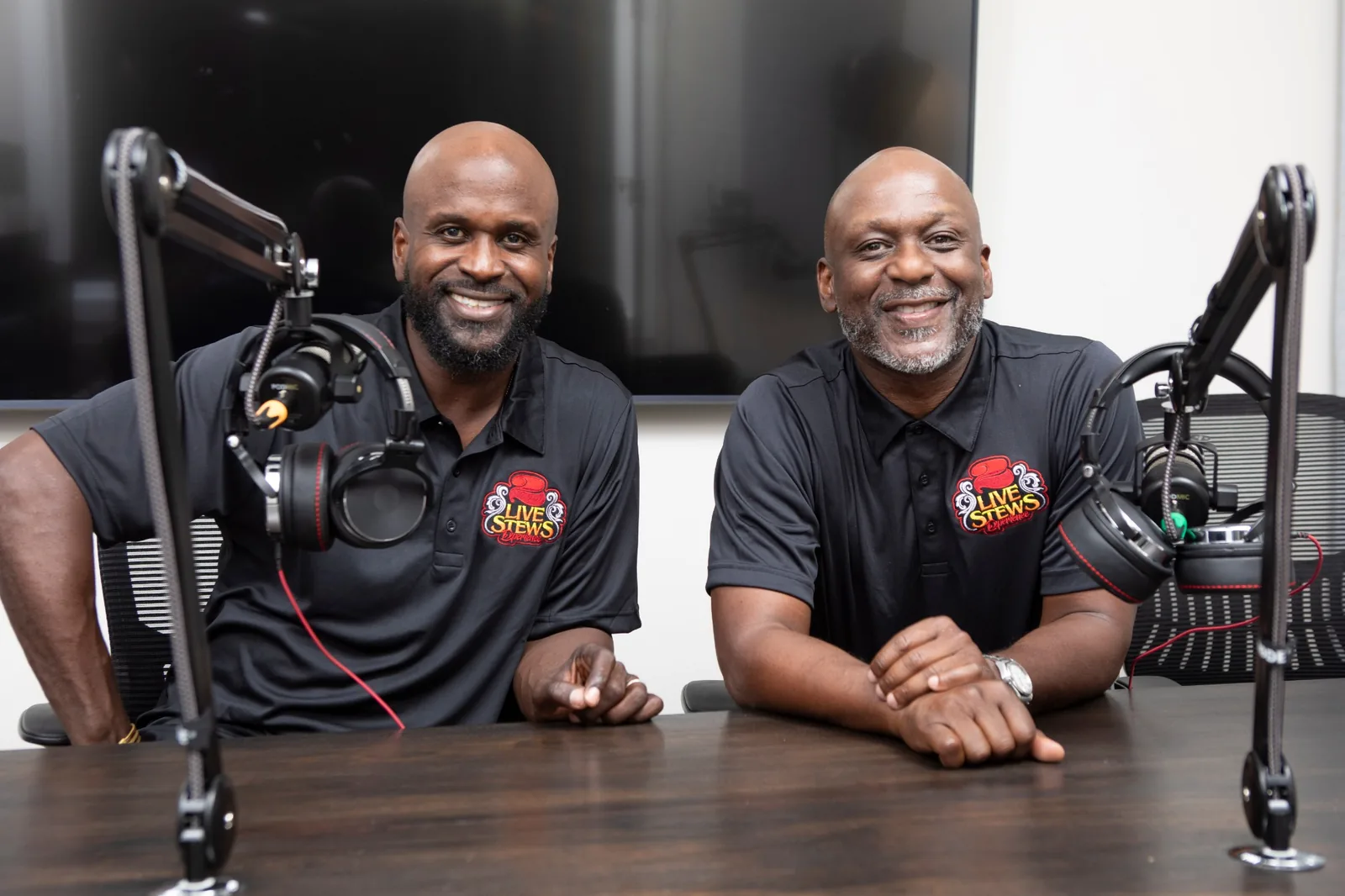
Image credit: Sports Rap Network / source-provided image
The 2 Live Stews explain why NFL training camp fights are often a byproduct of competition—and when they become a costly distraction.
The Dallas Cowboys and New Orleans Saints reportedly turned a joint practice in Oxnard, California, into a heated session marked by at least six fights. Punches, helmet grabbing and multiple skirmishes across the field made the practice a headline, but the 2 Live Stews saw more than chaos in the moment. They saw a familiar training-camp reality: players fighting for jobs, fighting through exhaustion and refusing to lose a rep on film.
For former Detroit Lions player Doug Stewart, the tension is understandable. Joint practices put athletes who have spent weeks colliding with teammates in front of unfamiliar opponents wearing different colors. That change can sharpen focus and raise the temperature quickly. The issue is not whether aggression belongs in camp; it does. The issue is whether the aggression remains productive enough for coaches to finish the work they planned.
A Different Jersey Changes the Energy
Stewart described training camp as a pressure cooker long before a second team arrives. Players are living in close quarters, dealing with disrupted sleep, uncomfortable routines and the daily strain of trying to prove they belong. For younger players and roster-bubble veterans especially, every rep can feel like an audition. The film is always running, and a player who loses consistently to the man in front of him may be losing ground in the fight for a job.
That is why a joint practice can feel different from an ordinary workout. Players generally do not want to damage their own teammates while practicing against them day after day. But against another club, the calculation changes. Stewart said players may be more willing to cut a blocker, deliver a blindside block or play through the edge of the whistle because they are trying to win the rep against a stranger. The Cowboys-Saints session reflected that emotional release.
Coaches Want Edge, Not Disorder
The Stews agreed that coaches can appreciate controlled aggression. A team needs players willing to compete, defend teammates and play with urgency. In a sport built on force and confrontation, a completely passive practice would be a warning sign. Joint work also gives coaches a clearer look at how players respond when the opponent is not a familiar teammate who knows every call and habit.
But six fights—or possibly more, based on the accounts discussed on the show—push the session toward disruption. Practices are organized in timed periods designed to install plays, evaluate personnel and prepare the team for the season. Every stoppage interrupts that plan. What should be a focused practice can stretch longer, wear players down and leave coaches with less usable teaching tape. The objective is to test toughness, not let emotion consume the day.
The Film Room Defines Team Standards
Stewart recalled that the most important lessons from a joint-practice fight can come later in the meeting room. Coaches may review the altercation not simply to identify who threw a punch, but to judge whether teammates responded when one of their own was surrounded. In Stewart’s experience, a coach could stop the film and demand that players account for why a teammate was isolated among opposing jerseys without support.
That reaction speaks to the line between individual intensity and team accountability. A player trying to make the roster must show he can compete, but he also has to show he understands the larger responsibility. NFL teams need players who protect one another, maintain composure and return to the assignment when the whistle blows. The best response to confrontation is not always another punch; sometimes it is making sure the unit stays connected and prepared for the next snap.
What It Means
The Cowboys and Saints did not create a new training-camp phenomenon. The 2 Live Stews stressed that fights are expected when NFL teams share a field for only a few highly competitive practices. Players are tired, proud and desperate to put winning reps on tape. For fans who remember high school two-a-days and the anticipation of facing a different uniform, the instinct is easy to recognize.
Still, the number of fights matters. One skirmish may be an ordinary flash of camp intensity. A practice repeatedly halted by fights risks becoming a distraction that serves no one. The real measure is whether a team can channel that edge into disciplined football. As the Stews framed it, joint practices are a blessing because they offer somebody else to battle—but a team cannot afford to lose its structure while doing it.
Substantive update: