
Blog | Sports Rap Network
Falcons’ Preseason Alarm: Atlanta Looked Unready When It Needed a Strong Start
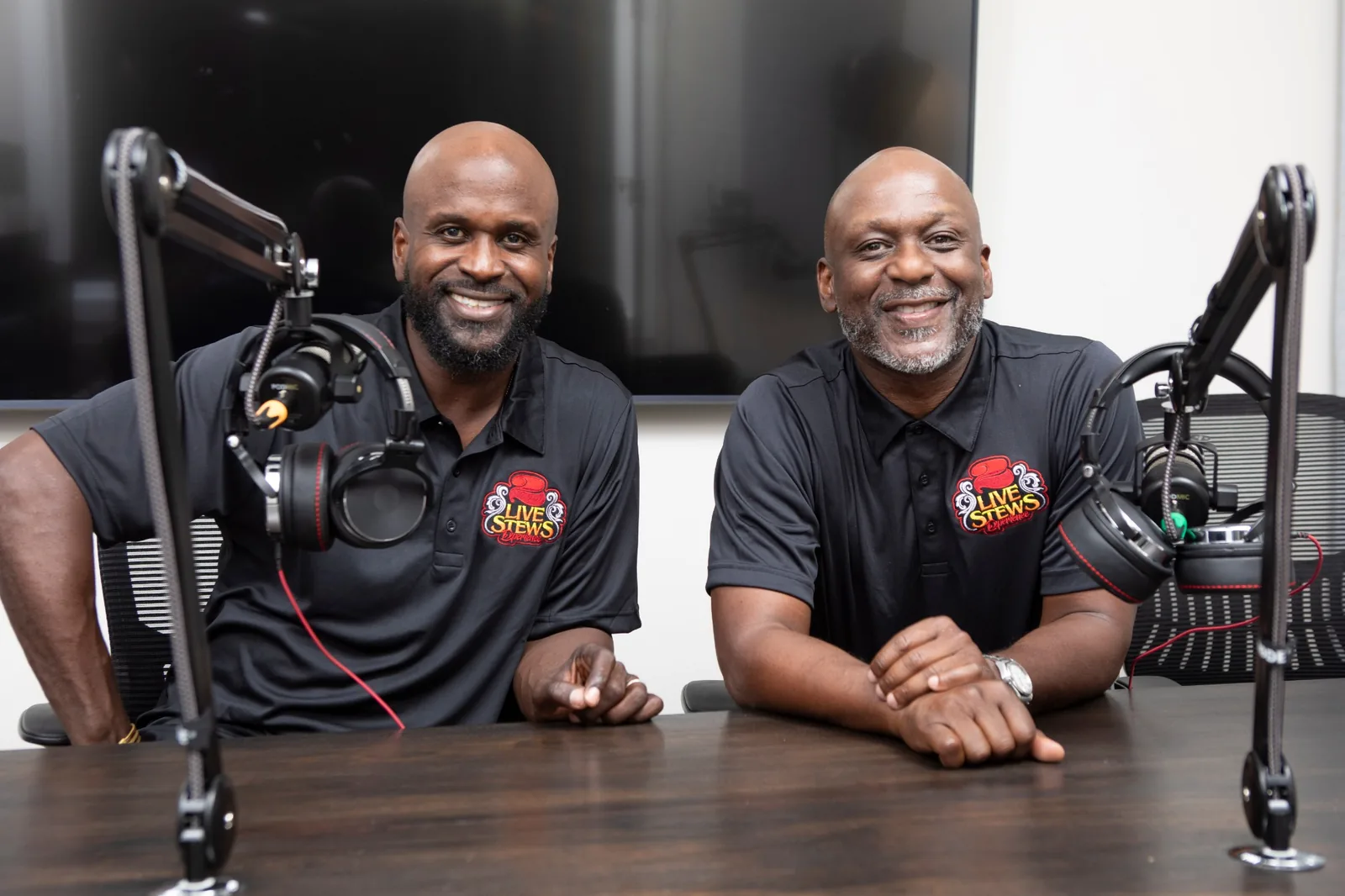
Image credit: Sports Rap Network / source-provided image
The 2 Live Stews saw more than a harmless preseason stumble: Atlanta looked unsettled at quarterback, soft on defense and dangerously thin where it can least afford it.
Preseason football is built for caution. Coaches hide portions of their plans, starters often play limited snaps, and one rough night does not have to forecast a lost season. Yet the Atlanta Falcons gave the 2 Live Stews little reason to treat their latest outing as routine August noise. The concern was not simply the result. It was the lack of poise, physical command and playmaking across the field.
For a franchise entering another season with expectations around its offensive talent, the first impression was jarring. The hosts came away with the same blunt conclusion: Atlanta looked like a team with too many unanswered questions. Quarterback discomfort, a defense that did not consistently threaten throws, and looming personnel losses created a troubling picture before the regular season has even begun.
The Quarterback Looked Uneasy
Ryan Stewart began with the numbers, noting that the stat line for Tua Tagovailoa did not look catastrophic on its face: three completions on five attempts for 22 yards. But he argued that the numbers concealed the bigger issue. Watching the series, he saw a quarterback who did not appear comfortable in the pocket and who did not inspire confidence with the basic operation of the offense, including a mishandled snap early in the action.
Doug Stewart agreed that the concern went beyond a handful of passing plays. In his view, a viewer can still recognize when a quarterback has restless feet and is not settled. The hosts wondered whether Tagovailoa’s movement reflected a lack of trust in the offensive line, discomfort with the surface, or the unavoidable mental residue of his concussion history. They did not claim to know the answer, but they agreed the pocket looked uneasy rather than controlled.
No Easy Positives on Either Side of the Ball
When challenged to name a positive, the hosts struggled. They gave credit to Goodson for running hard, carrying the ball seven times and averaging four yards per attempt. That kind of depth matters behind Bijan Robinson, especially because a lead back cannot take every carry over a long season. Special teams also drew a modest nod. But those were narrow bright spots, not a foundation for optimism.
The deeper frustration was defensive. Denver quarterback Jarrett Stidham appeared to have too much room to operate, and the hosts did not see Falcons defenders consistently near interceptions, pass breakups or disruptive plays. Their description was direct: no effective pass rush and no reliable coverage. A defense does not need to dominate every preseason snap, but it should show signs of speed, communication and resistance. Atlanta did not provide enough of any of those things to calm concern.
Practice Philosophy Is Now Part of the Conversation
The Stews also fixated on reports that Kevin Stefanski has pushed Atlanta toward more live tackling in practice, including an Oklahoma drill. They treated the report cautiously, but both hosts found the idea startling if accurate. Doug Stewart, who played in the NFL with the Detroit Lions, said he never participated in the Oklahoma drill as a professional. To him, it was a drill associated with youth football, junior varsity and earlier stages of player development.
The question is not whether NFL players should be physical. Football requires contact, tackling and a readiness for game speed. The issue is whether a collision-heavy practice approach helps a veteran roster prepare or simply takes unnecessary energy out of players before they compete. The hosts contrasted the reported approach with teams that place a premium on preserving players in practice. Their frustration was amplified by the result: after supposedly preparing more physically, Atlanta still did not tackle or make enough plays effectively.
Missing Pieces Make the Margin Smaller
Atlanta’s performance would be easier to shrug off if the roster were whole. It is not. The hosts pointed to James Pearce Jr.’s eight-game suspension for violating the NFL personal conduct policy, a punishment they said he will not appeal. They also referenced Jalen Walker as unavailable for the season. The two defenders had represented a major part of the optimism around Atlanta’s young defensive future, and now the team must account for their absence.
That is why a quiet preseason defense feels more serious than an isolated bad night. Atlanta needs other players to create pressure, cover cleanly and establish a standard immediately. The hosts did allow for one important counterpoint: Michael Penix Jr. did not play, leaving fans with at least some unanswered optimism at the position. But optimism cannot become a substitute for evidence. Atlanta needs its available players to show that the team can execute with authority, not merely survive until reinforcements arrive.
What It Means
The Falcons do not need to make a final judgment on their season from one preseason game. The hosts made room for that reality, noting that preseason plans can be limited, players can be experimenting, and a poor August showing does not automatically carry into meaningful football. Still, Atlanta cannot dismiss what its own eyes showed: a team that did not look settled, sharp or physically imposing.
The next preseason opportunity matters because it offers a chance to see a response. Atlanta needs cleaner quarterback operation, more confidence around the pocket, better disruption from its defense and a clearer picture of how it will survive without key contributors. Hope remains because the regular season has not started. But, as the 2 Live Stews made clear, hope has to be supported by better football than Atlanta showed in this first warning sign.
Substantive update: