
Blog | Sports Rap Network
The Lakers’ Reported $12.5 Billion Sale Brings a New Kind of Pressure to Luka’s Era
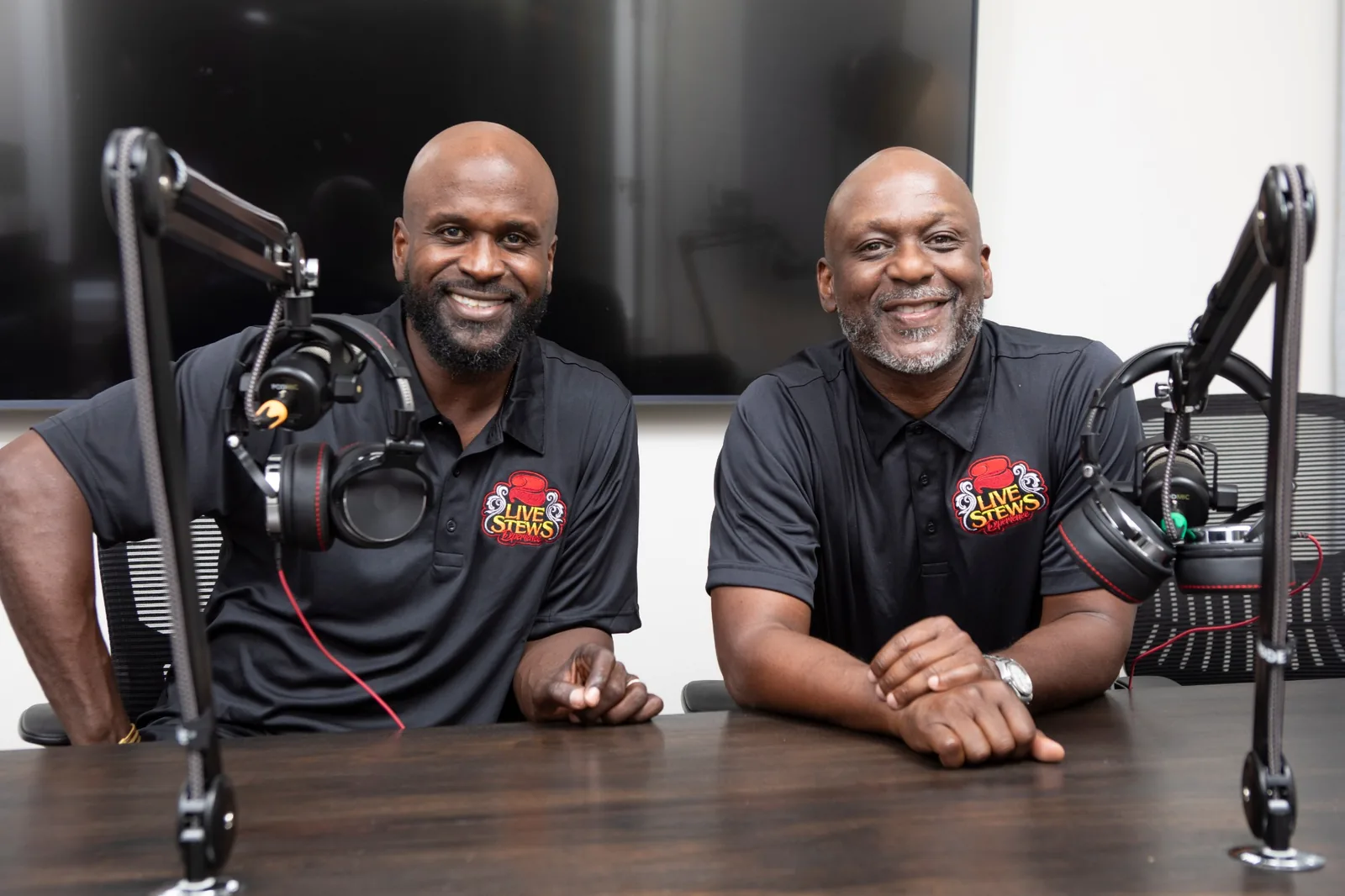
Image credit: Sports Rap Network / source-provided image
A reported $12.5 billion agreement to sell the Los Angeles Lakers just 14 months after the franchise’s prior sale has raised questions about ownership stability, public trust and the pressure surrounding Luka Doncic’s next chapter.
The reported sale of the Los Angeles Lakers for $12.5 billion is the kind of number that stops a sports conversation cold. But on 2 Live Stews, the eye-popping valuation was only the starting point. The more unsettling detail was the speed: Mark Walter reportedly bought the franchise for $10 billion in 2025, and Bob Iger and venture capitalist Josh Kushner have now reportedly agreed to buy it roughly 14 months later, subject to NBA Board of Governors approval.
For a team with the Lakers’ history, a rapid resale does not feel like ordinary business. It invites questions about why the previous owner would exit so quickly, what the new owners intend to do with a global brand and whether the franchise is entering a stable new era or another period of high-stakes uncertainty. With LeBron James gone and Luka Doncic now central to the team’s future, every ownership decision carries more weight.
A franchise flip that invites scrutiny
The Stews viewed the reported transaction as unusual because major professional franchises are not typically flipped in a little more than a year. Walter’s reported $2.5 billion gain in that span underscores how quickly elite sports assets can rise in value, but it also makes fans wonder whether there is more behind the decision than a simple willingness to take a remarkable profit.
That suspicion was heightened by the hosts’ discussion of reports that Walter may be facing investigation and could have needed cash flow, though they did not claim to know the facts behind a possible sale. Their point was about optics: when a historic organization changes hands so soon after a prior deal, supporters deserve a clearer sense of whether the move reflects a sound plan or a distressed exit.
The Kushner connection creates a perception problem
Josh Kushner’s family connection to Jared Kushner, President Donald Trump’s son-in-law, was the center of the hosts’ discomfort. They acknowledged there was no established proof that Trump is directly involved in the Lakers transaction. Still, they argued that the association alone creates a cloud for people who distrust Trump’s influence and worry about what proximity to political power could mean around such a visible American franchise.
Magic Johnson’s endorsement of Iger and Kushner gave the deal a measure of basketball credibility in the discussion. Magic emphasized Iger’s longtime love of the game and said Lakers fans could not have two better owners. Yet the Stews did not see a seal of approval from a franchise legend as a complete answer to the public’s concerns. Trust will have to be earned through transparent leadership and decisions that put basketball before spectacle.
Deep pockets do not replace a basketball plan
One potential benefit is obvious: the new group would reportedly bring significantly deeper resources than prior Lakers ownership. The hosts noted that wealth can expand what is possible around facilities, infrastructure and aggressive roster-building. In a league where ownership capacity matters, that could give the Lakers more options than they had under a less financially powerful ownership structure.
But access to money can also create impatience. The Stews identified the central strategic question: will the Lakers build deliberately around Doncic, or will they chase the instant-star formula expected from a Hollywood brand? Doncic has proven he can carry an enormous offensive burden and has the profile of a perennial All-Star. Still, he is not LeBron, and treating him as an immediate substitute for everything LeBron represented would be unfair to both players and dangerous for the franchise.
The bigger business signal: expansion is getting pricier
The Lakers’ reported valuation also changes the conversation around NBA expansion. Iger and Kushner had reportedly been pursuing a potential Las Vegas expansion franchise before choosing the immediate opportunity in Los Angeles. The hosts reasoned that a future Las Vegas team could command an enormous expansion fee because the market brings curiosity, entertainment appeal and obvious connections to tourism and gambling.
At the same time, the Lakers’ valuation is unique. Las Vegas would offer novelty, but it would not arrive with the Lakers’ championships, legacy or worldwide recognition. That contrast is exactly why the reported $12.5 billion price matters: it establishes a new reference point while reminding the league that brand equity takes decades to create. A new club can sell possibility; the Lakers sell history.
What It Means
For Lakers fans, the reported deal is not merely another headline about rich people moving money. It is a question of stewardship. The franchise’s appeal was built across generations through stars, championships and an identity that has carried meaning far beyond one season’s schedule. A new ownership group should understand that buying the logo is not the same as earning the trust attached to it.
The next chapter will ultimately be judged by more than the final sale price. It will be judged by whether the Lakers establish clarity, avoid needless drama and give Doncic the organizational foundation required to lead. The Stews’ debate made one point plain: the Lakers remain too important to be treated like a quick flip, even when the numbers are historic.
Substantive update: