
Blog | Sports Rap Network
Jalon Walker’s Injury Forces Falcons to Prove Their Defensive Depth
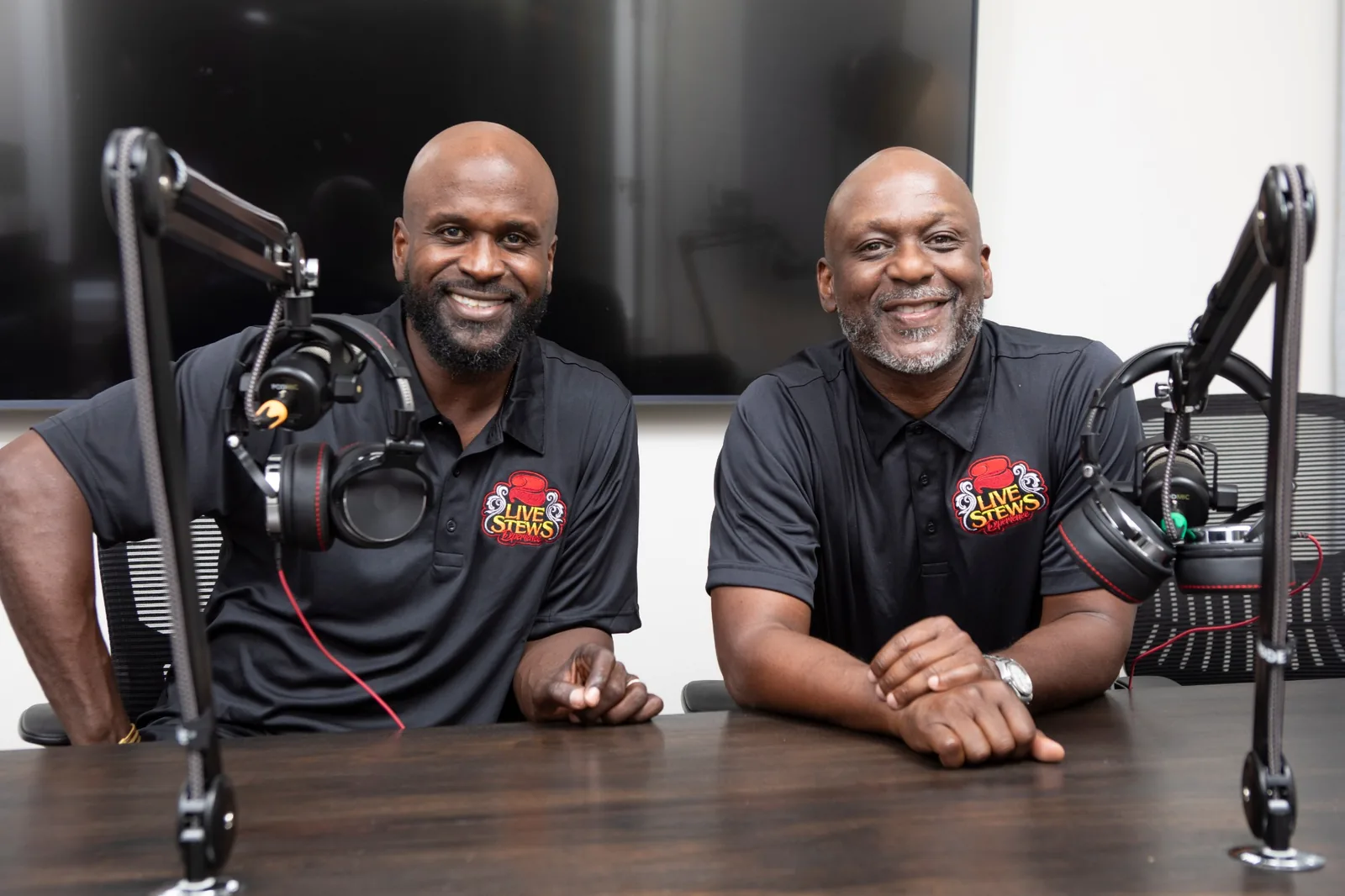
Image credit: Sports Rap Network / source-provided image
Atlanta loses a versatile young defender before the season, putting its pass rush, run defense and roster depth under immediate pressure.
The Atlanta Falcons were already carrying major questions into the season, from quarterback health to whether a rebuilt roster could finally break through. The reported season-ending ACL injury to edge defender Jalon Walker adds a costly new question: can this defense absorb the loss of one of its most versatile young pieces before the games truly begin?
On 2 Live Stews, the reaction was direct. Walker’s absence was described as a devastating blow, not simply because of the potential pass-rush production leaving the field, but because of the range of responsibilities he had shown he could handle. For a franchise trying to escape its familiar cycle of promise followed by disruption, the timing is especially cruel.
Walker leaves a role that cannot be copied easily
Walker mattered because he was more than a one-dimensional edge rusher. The hosts pointed to his rookie work as evidence that he could pressure the quarterback, hold up against the run and operate in coverage when needed. That combination gives a coordinator flexibility, allowing the defense to disguise looks and avoid becoming predictable on key downs.
Replacing that kind of player is not a matter of moving one name up the depth chart. It requires a redistribution of duties. The Falcons may be able to find snaps, effort and isolated production from multiple players, but the challenge is whether they can recreate Walker’s all-around value without exposing another weakness. That is where injuries become organizational tests rather than just personnel problems.
Atlanta has options, but no clean answer
D. Orlando Ledbetter, the longtime Falcons reporter now working with BowTieSports.com, identified Aziz Ojulari as the player with the clearest chance to provide pass-rush juice. Ojulari has flashed earlier in his career, and Atlanta needs that ability to surface consistently. Cameron Thomas and Braylon Trice also enter the conversation, though their roles may lean more toward sturdiness and edge-setting than replacing Walker’s total impact.
The Falcons can also lean on veteran leadership from Kaden Elliss and look for better production across the front. Ledbetter noted that Leonard Floyd remains available, an example of the kind of outside help Atlanta could consider. But every contingency has limits. A late addition may bring experience, yet it takes time to learn responsibilities, build chemistry and earn trust in game-changing moments.
The sharper concern may be the one Ledbetter raised when asked to identify Atlanta’s biggest weakness: run defense up front. A team can survive some stretches without explosive sack totals. It has a much harder time surviving if opponents can control the line of scrimmage, drain the clock and force the defense into exhausting, physical games. Walker’s absence makes that concern more urgent.
The offense must carry its share of the burden
The Falcons’ best counter to defensive uncertainty is an offense that can create balance and protect leads. Ledbetter said he trusts the offensive side more because of its collection of weapons, beginning with Bijan Robinson. Under coach Kevin Stefanski, Robinson could receive a heavy workload, with the potential for a major rushing and receiving role if Atlanta can establish its preferred rhythm.
That plan still returns to the quarterback. Michael Penix Jr.’s health remains central, while Tua Tagovailoa has also dealt with back tightness in camp. Ledbetter’s view was straightforward: until Penix is medically cleared, Tua is the quarterback. The Falcons have Cooper Rush behind them if needed, but no team wants its season defined by fallback plans at the sport’s most important position.
A stable quarterback does more than improve the passing game. It helps the defense. Sustained drives give the front a chance to rest, create favorable game scripts and reduce the number of snaps in which a thin pass-rush rotation must chase a lead. If Atlanta wants to compete in the NFC South, complementary football is no longer a cliché. It is a necessity.
What It Means
The Falcons do not need one player to become Jalon Walker overnight. They need a credible collective response: better edge production, firmer run defense, disciplined rotations and enough offensive consistency to keep every game from becoming a defensive survival test. That is the practical assignment after a loss no team can fully plan for.
Walker’s injury is painful because it interrupts the growth of a young defender who appeared capable of becoming a centerpiece. But it also gives Atlanta a clear answer to an early-season question: how strong is the roster beyond its top names? The response from Ojulari, Thomas, Trice and the leaders around them will help determine whether this is merely a setback or the moment the Falcons’ season starts slipping away.
Substantive update: