
Blog | Sports Rap Network
Dodgers’ Skubal Move Reopens Baseball’s Biggest Question: Who Can Really Compete?
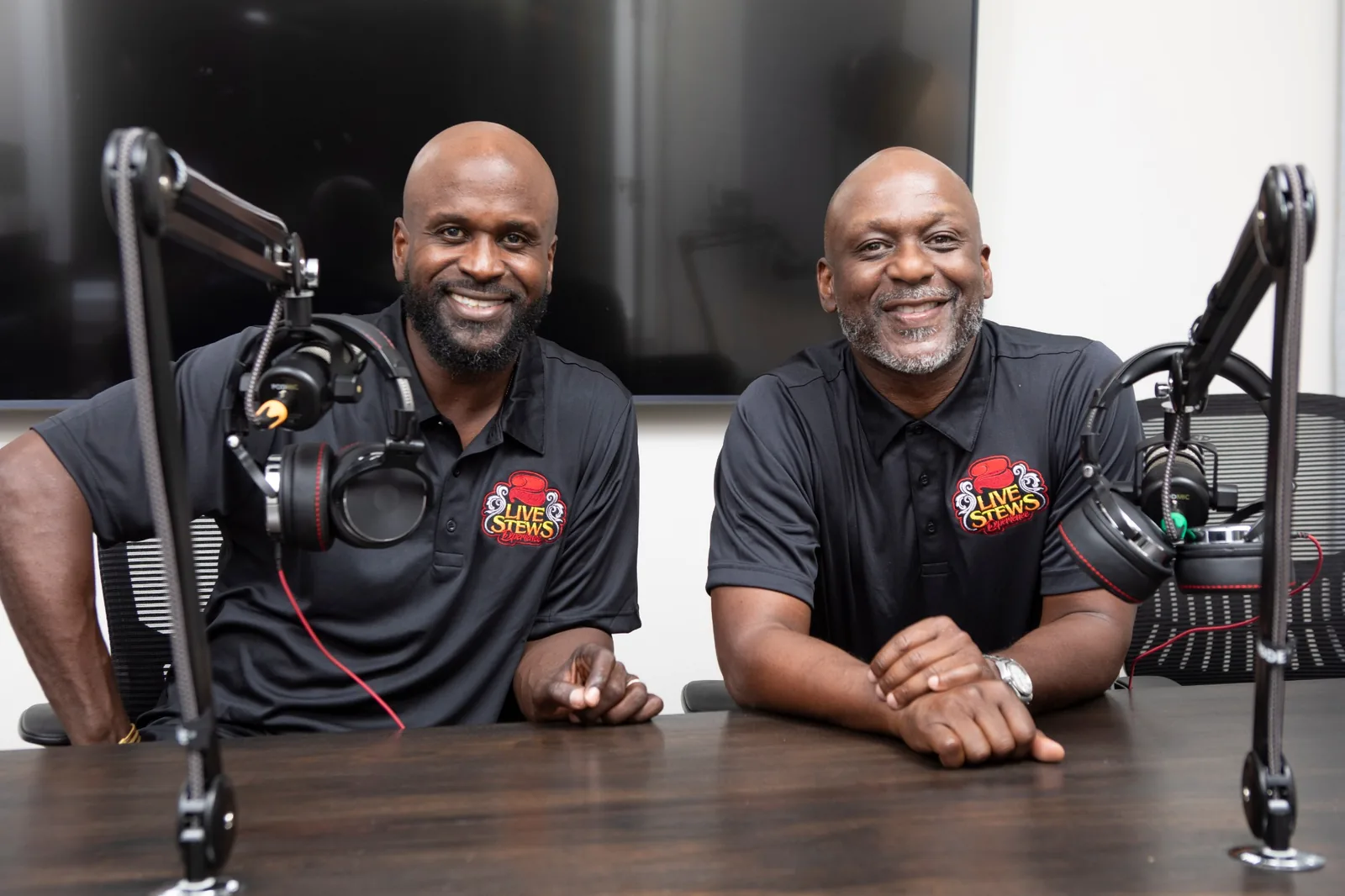
Image credit: Sports Rap Network / source-provided image
The Dodgers’ reported acquisition of Tarik Skubal sharpened the argument over whether MLB’s open spending system rewards smart ambition or threatens the parity that keeps a league healthy.
The Los Angeles Dodgers’ reported acquisition of Detroit Tigers left-hander Tarik Skubal turned the MLB trade conversation into something much larger than one elite pitcher changing uniforms. On the 2 Live Stews Experience, Ryan and Doug Stewart used the move to examine a familiar concern: whether baseball’s richest teams are building contenders through superior vision or creating a financial divide that makes too many fan bases feel like spectators.
Skubal’s arrival adds to a Dodgers roster construction story already defined by high-profile names and aggressive moves. The hosts pointed to the club’s additions of Mookie Betts, Freddie Freeman, Shohei Ohtani, Yoshinobu Yamamoto and others as evidence that Los Angeles has repeatedly found a way to add proven difference-makers. Their disagreement was not about Skubal’s talent. It was about what the accumulation of talent means for the sport.
A Trade That Represents More Than a Pitcher
The Stews acknowledged that the Dodgers did not obtain Skubal for nothing. Their point was that moving established stars for prospects or future assets has become part of a wider pattern that benefits the clubs best positioned to take on elite talent. Doug Stewart compared that logic to trading a proven NFL superstar for draft picks: prospects may become valuable, but they remain possibilities rather than proven production.
That is why the Skubal deal landed differently than an ordinary deadline transaction. For Detroit, the package may offer future upside. For Los Angeles, the appeal is immediate certainty. A team with championship expectations added another player already viewed as a frontline force. In a sport where postseason series can turn on top-end pitching, the gap between promise and proof matters.
The Dodgers Are Spending Where Others Hesitate
Ryan Stewart pushed back on the idea that the Dodgers alone should be blamed for using their financial muscle. His view was direct: “Every owner can do exactly what the Dodgers are doing, but they are not doing it.” In his argument, owners of MLB clubs have the resources to invest more aggressively and should not criticize Los Angeles for acting decisively when other organizations choose restraint.
He also emphasized the player side of the equation. Ohtani’s contract structure, including his reported decision to defer a substantial portion of his salary, gave the Dodgers flexibility to continue adding talent. Ryan’s broader position was that players should make as much money as possible in every league. A salary cap, he argued, would limit that upside, which is why baseball players would have little reason to embrace one.
Parity Is a Product Issue, Not Just an Ownership Issue
Doug Stewart saw the matter through a different lens. He did not dispute that owners want to control costs, or that players deserve to maximize their earning power. His concern was whether the league remains compelling if too many clubs begin a season without a realistic belief they can reach the top. “You gotta have parity in sports,” he argued, tying competition directly to the quality of the product fans receive.
For Doug, baseball’s absence of a salary cap allows the Dodgers to build an advantage that cannot be separated from the sport’s financial structure. He contrasted that with the NFL, where he sees more consistent opportunity for teams to enter a season believing they have a path to a title. His point was not that every club must win equally. It was that too large a gap can erode the emotional investment that makes sports matter in cities and communities.
Winning Still Has to Happen on the Field
Ryan countered that spending alone does not guarantee a championship. He noted that the New York Mets have spent heavily without converting that investment into a title, and that the Dodgers still must manage the normal hazards of a season. Injuries, poor performance, clubhouse issues and postseason pressure do not disappear because a roster is expensive. Los Angeles, he noted, had just been swept by Boston over the weekend.
That distinction is important. A roster full of stars can improve the odds, but it cannot eliminate uncertainty. Still, the Stews’ debate showed why fans react so strongly to moves like Skubal’s. The issue is not whether the Dodgers are guaranteed to win. It is whether their ability to repeatedly acquire top talent changes the starting point of the competition before the first pitch is thrown.
What It Means
The Skubal move, as the Stews framed it, is not an argument against ambition. Every front office should pursue talent, every player should seek fair value and every owner should be accountable for the product placed before the fans. The tension comes when those principles produce a league in which a handful of teams feel permanently positioned to add the final piece while others are repeatedly asked to reset.
For fans, the real test is whether baseball can preserve the belief that a smart, committed organization has a path to the top. The Dodgers still have to win games, survive injuries and deliver in October. But the conversation sparked by their latest addition will not disappear: a sport can celebrate player empowerment and still ask whether its structure gives every community a credible reason to believe its team can compete.
Substantive update: