
Blog | Sports Rap Network
Ryan Clark’s ESPN Exit Raises a Bigger Question: Who Owns Sports-Media Credibility?
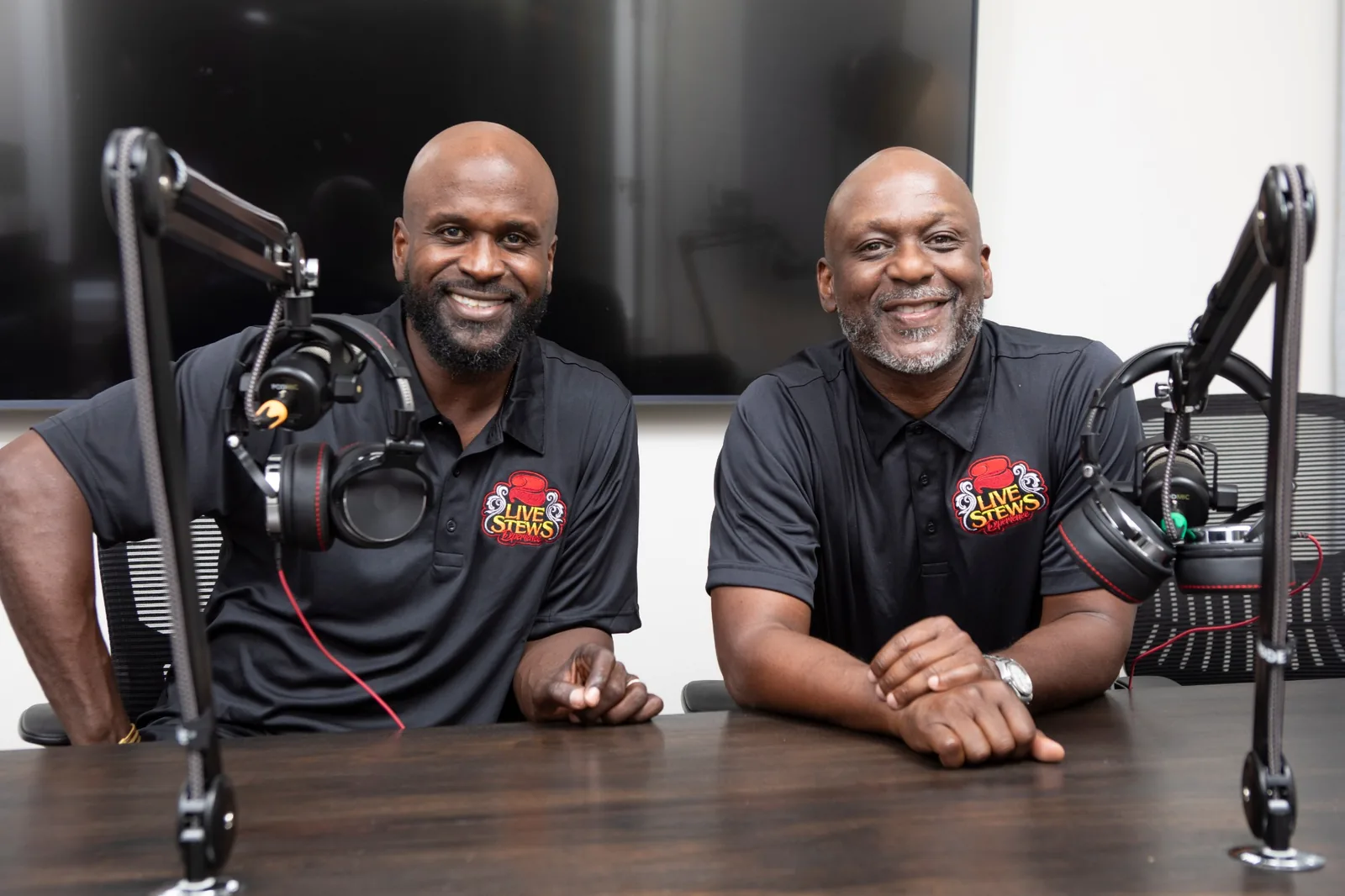
Image credit: Sports Rap Network / source-provided image
The Two Live Stews see Ryan Clark’s reported ESPN departure as part of a larger struggle over athlete expertise, traditional journalism and who gets to hold power on sports television.
Ryan Clark’s reported departure from ESPN has become more than a personnel story. On the 2 Live Stews Experience, Ryan and Doug Stewart framed it as a revealing test of power inside sports media: What happens when a former player insists that experience on the field should carry weight in the conversations that shape public opinion?
The Stews were careful not to present one confirmed explanation for Clark’s reported exit. They noted there was no official explanation discussed on the show, while pointing to the possibility of payroll decisions, public controversy and the normal churn of television talent. Still, they believe the issue reaches deeper than one contract or one on-air disagreement.
A Collision Between Experience and the Old Order
The center of the Stews’ argument was Clark’s prior on-air exchange with Peter Schrager. Clark, a former NFL player, was discussed as having pushed back from the perspective of someone who had actually played the game. Ryan Stewart stressed that Clark did not need to be loud or reckless for the exchange to carry consequences; simply invoking the difference between lived experience and outside observation can be disruptive in a business built around traditional media authority.
Doug Stewart argued that former players bring an additional tool to the job. A strong analyst must still communicate, prepare and understand the subject. But a player who has endured training camp, sat in meetings, navigated a locker room and played through the stakes of an NFL season has context that cannot be earned solely through reporting. In the Stews’ view, that context should deepen the conversation rather than be treated as a challenge to someone else’s legitimacy.
Why the Stews Believe the Stakes Are Larger
The brothers pointed to previous clashes involving former athletes and television personalities as signs of a familiar pattern. They recalled D’Angelo Williams confronting Schrager years earlier and Jalen Rose challenging Skip Bayless over his own playing background. Their point was not that a playing career automatically settles every debate. It was that the tension grows sharper when an athlete publicly tells a journalist that certain parts of the game are being misunderstood.
Ryan Stewart also connected the discussion to Clark’s public comments about college sports and the possibility of Black athletes considering HBCUs rather than following the usual power-conference route. The Stews said remarks that question the economic pipeline of major college football can make network partners and powerful institutions uncomfortable. They did not claim that one statement caused a specific outcome, but they viewed those conversations as evidence of why an independent Black voice can create pressure inside a corporate media system.
ESPN’s Talent Cycle Is Part of the Story
Doug Stewart emphasized that ESPN has long refreshed its lineup, regularly moving on from familiar former players and introducing new personalities. He named several NFL analysts who have come and gone over the years, arguing that a relatively short run at a major network is often part of the business. From that standpoint, Clark’s situation may fit a larger pattern of networks managing cost, changing formats and chasing fresh audience appeal.
Yet the Stews questioned the logic of cost-cutting if it occurs alongside reports of much larger investments in personalities such as Pat McAfee. Their concern was not simply about any individual’s pay. It was about how a network decides whose voice creates value. If a company is willing to spend heavily on one disruptive style but reduces space for another, that choice says something about the kind of disruption it welcomes and the kind it considers expendable.
Athlete-Owned Platforms Are Changing the Leverage
The clearest forward-looking point from the show was that athletes no longer need traditional television in the same way they once did. Podcasts, livestreams and social platforms have made it possible for former players to build audiences directly. The Stews see a future in which more sports conversations are led by people who can combine media skill with first-hand knowledge of the games.
That shift should not be reduced to athletes versus journalists. The best sports coverage can include both: reporters who uncover information and ask disciplined questions, alongside former players who supply the texture of experience. But the Stews believe old gatekeepers cannot assume their position is permanent. Audiences increasingly decide which voices feel credible, and athletes who speak with preparation and authenticity have more ways to reach those audiences than ever before.
What It Means
The Ryan Clark situation, as discussed by the Stews, is not a referendum on whether journalists belong in sports media. Reporting, research, interviewing and clear communication are vital skills. But modern audiences also understand the value of someone who has prepared for games, lived through team politics, absorbed the consequences of injuries and performed under the pressure being debated on television.
That does not make every former athlete a strong broadcaster, nor does it diminish a capable journalist. It does mean the old hierarchy is facing a challenge it cannot ignore. As more athletes build independent platforms and earn audience trust, networks will have to decide whether they can make room for direct, informed voices—or continue treating that perspective as a threat when it becomes too powerful.
Substantive update: